CNC Machining Undercut Types: Complete Guide for Engineers

欢迎访问我们的博客,了解不同的制造工艺。

CNC Machining Undercut Types

目录

What are the different CNC machining undercut types? How do T slot, dovetail, and internal undercuts work in CNC manufacturing? What factors should engineers consider for CNC undercut design? Which undercut machining techniques help achieve accurate and cost effective parts?

CNC machining undercuts are special features that allow manufacturers to create hidden grooves, recessed areas, locking sections, and complex geometries that standard cutting tools cannot easily reach. Different CNC undercut types require specific tools, machine setups, and design considerations to maintain precision and reduce production challenges.

CNC machining undercuts are widely used in aerospace components, automotive parts, medical devices, molds, connectors, and mechanical assemblies. A proper CNC undercut design helps improve part functionality while making production faster and more reliable. This guide explains the common types of CNC undercuts, machining methods, design rules, and practical tips from a manufacturing perspective.

What Are CNC Machining Undercut Types?

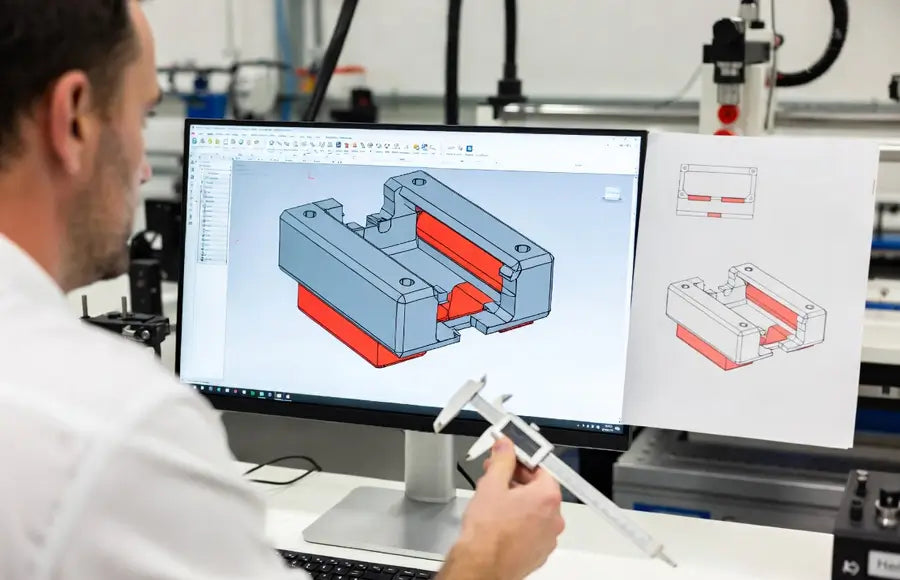
CNC machining undercut types refer to features where a section of material extends over another area, creating a shape that cannot be reached directly with a standard vertical cutting tool. The tool must approach from a different angle or use a specialized cutter to remove material beneath an overhanging surface.

In traditional 3 axis CNC milling, tools usually move from the top or sides. When a design contains hidden areas below a surface, regular end mills cannot reach them because the tool holder or shank creates interference. This is where specialized undercut machining techniques become necessary.

Manufacturers use different cutters, including T slot cutters, dovetail cutters, and lollipop cutters, to create these complex features.

Common Types of CNC Undercuts

Different applications require different undercut geometries. The selection depends on the purpose of the part, available tooling, material, and required tolerance.

CNC Undercut Type说明常见应用
T Slot UndercutA narrow opening with a wider bottom section forming a T shapeMachine beds, fixtures, clamps
Dovetail UndercutAngled sides create a locking connection between partsSlides, guides, molds
Lollipop UndercutRounded cutter creates curved hidden featuresComplex aerospace and medical parts
Internal Groove UndercutRecessed groove inside a componentO ring seats, seals, mechanical parts
Snap Fit UndercutCreates retaining hooks or locking sectionsPlastic housings and consumer products

T Slot CNC Undercuts

T slot undercuts are among the most common CNC undercut designs. They contain a narrow entrance with a wider cavity underneath. This shape allows bolts, nuts, or sliding components to lock into position.

These features are commonly found in machine tables, workholding systems, and industrial fixtures.

Creating a T slot requires a T slot cutter that moves horizontally below the surface. Engineers must consider cutter diameter, slot width, and tool clearance before finalizing the design.

Dovetail CNC Undercuts

Dovetail undercuts use angled walls to create strong mechanical connections. The design prevents components from separating vertically while allowing controlled sliding movement.

Dovetail cutters are available in different angles, commonly 45 degrees and 60 degrees. They are often used in molds, positioning systems, and precision mechanical assemblies.

A good dovetail CNC undercut design requires accurate angle control because even small variations can affect assembly performance.

Internal Groove and O Ring Undercuts

Internal grooves are another important category of CNC undercuts. These features are used when components need sealing, retention, or positioning functions.

For example, an O ring groove may need an undercut profile so the seal remains properly positioned during operation.

These designs require careful planning because narrow internal spaces can create tool access problems. Engineers often work with CNC machining experts during the design stage to confirm whether the feature can be manufactured efficiently.

You can also review more CNC design considerations in our guide about 数控铣削零件的设计规则.

CNC Undercut Design Considerations

A successful CNC undercut design balances part function with manufacturing limitations. Poorly designed undercuts increase machining time, require custom tools, and may increase production costs.

Design FactorRecommended ApproachWhy It Matters
Undercut DepthKeep depth reasonable compared with opening sizeReduces tool vibration
工具访问Provide enough clearance around the featurePrevents collisions
Opening WidthAvoid extremely narrow entrancesAllows standard cutters
Corner GeometryAdd suitable radii where possibleImproves tool movement
Machine CapabilitySelect suitable 3 axis, 4 axis, or 5 axis machiningImproves accuracy

When designing parts with undercuts, engineers should consider the following:

Maintain Proper Tool Clearance

The biggest challenge with undercuts is tool access. A cutter may reach the feature, but the tool holder may collide with the workpiece. Increasing clearance or changing the geometry can make machining easier.

Avoid Deep and Narrow Features

Deep undercuts with small openings usually require long tools. Long tools are more likely to bend, vibrate, and create poor surface finishes.

Consider Multi Axis Machining

Complex undercuts may require advanced machines. A 5 axis CNC machine can rotate the workpiece or tool angle, allowing better access to difficult areas.

For complex parts, manufacturers often recommend reviewing whether a standard CNC milling process or advanced machining method is the better option. Lewei Precision provides 数控铣削服务 for precision components requiring different machining strategies.

Undercut Machining Techniques and Tools

Different CNC undercut machining techniques are used depending on the feature shape and production requirements.

T Slot Cutters

T slot cutters are designed specifically for creating wide bottom grooves. They are effective for fixtures and mechanical assemblies but require proper clearance planning.

Dovetail Cutters

Dovetail cutters create angled undercuts with high precision. They are commonly used for sliding mechanisms and locking structures.

Lollipop Cutters

Lollipop cutters have a spherical cutting head connected to a narrow shaft. They are useful for complex curved undercuts, especially in aerospace and medical components.

5 Axis CNC Machining

5 axis machining provides additional movement compared with standard machines. It allows the cutting tool to approach the part from different angles, reducing setup requirements and improving access to complex features.

You can read more about advanced machining capabilities in our article What Is 5 Axis CNC Machining?.

CNC Undercuts in Different Industries

CNC undercuts are used across many industries because they improve assembly, reduce weight, and create advanced mechanical functions.

Aerospace manufacturers use undercuts for lightweight structures and complex components. Automotive companies use them for engine parts, brackets, and precision assemblies. Medical manufacturers use undercuts in surgical tools and device components where accuracy is critical.

Electronics industries also rely on undercuts for connectors, housings, and compact mechanical designs.

How CNC Machining Services Handle Complex Undercuts

Professional CNC machining companies analyze undercut features before production begins. Engineers review CAD models, select suitable cutters, check tool paths, and confirm whether the selected machine can achieve the required geometry.

A complete manufacturing process usually includes:

  1. CAD model review
  2. Design for manufacturability analysis
  3. Tool selection
  4. CAM programming
  5. 数控加工
  6. Quality inspection

Working with an experienced manufacturer reduces the risk of failed parts and unnecessary machining costs.

乐为精密提供 数控加工服务 for prototypes and production parts using advanced CNC equipment and engineering support.

CNC Machining Undercut Types vs Standard Features

Feature TypeStandard MachiningCNC Undercut Machining
工具访问Direct vertical accessRequires angled or special tools
机器设置Usually simplerMay require additional setups
工具选择Standard end millsSpecialized cutters
费用Lower for simple partsHigher due to complexity
设计自由有限的几何形状More complex shapes possible

Benefits of Proper CNC Undercut Design

A well planned undercut design provides several advantages:

It improves mechanical performance by allowing stronger connections and better component positioning. It also reduces assembly problems because parts fit together more accurately.

Proper design can reduce machining time because manufacturers can select efficient tools and avoid unnecessary complex operations.

A professional CNC design review can identify problems before production starts. This approach saves both time and material costs.

最终想法

CNC machining undercut types allow engineers to create advanced components with better functionality and assembly performance. However, these features require careful planning because tool access, machine capability, and design complexity directly affect manufacturing results.

Choosing the right CNC undercut design and applying suitable undercut machining techniques helps produce accurate parts while controlling production costs. Working with an experienced CNC machining partner ensures that complex geometries can be manufactured efficiently without compromising quality.

For additional guidance on CNC manufacturing processes, explore our 数控车削服务 and related machining resources.

常见问题 

What are the most common CNC machining undercut types?

Common CNC undercut types include T slots, dovetail undercuts, internal grooves, snap fit undercuts, and rounded undercuts. Each type is selected based on the part function and machining requirements.

Can a 3 axis CNC machine create undercuts?

Yes, some undercuts can be created with special cutters on 3 axis CNC machines. Complex designs may require 4 axis or 5 axis machining for better tool access.

Why are CNC undercuts difficult to machine?

CNC undercuts are challenging because standard tools cannot reach hidden areas directly. Special cutters and proper tool path planning are often required.

How can CNC undercut design reduce machining costs?

A simple CNC undercut design improves tool access and reduces machining time. Proper planning also lowers the need for custom tools and extra setups.

Which tools are used for CNC undercuts?

Common tools include T slot cutters, dovetail cutters, and lollipop cutters. The tool choice depends on the undercut shape, depth, and required accuracy.

订阅我们的时事通讯

给我最新资源!

想加深对不同制造工艺的了解?不确定哪种技术最适合您的项目?或者您正在寻找设计技巧?订阅我们的时事通讯,获取与您息息相关的最新信息。