
はじめに
Do you struggle with inconsistent parts in your manufacturing process? 治具と固定具 might be the simple fix you need. These tools help you make products faster and more accurately without fancy equipment.
In this guide, you’ll learn what jigs and fixtures are and how they work. We’ll cover their types, benefits, and how to use them in real jobs. You’ll get tips on design, materials, and avoiding errors. Why does this matter? Good jigs and fixtures can cut your costs by up to 30% and speed up work. For example, in CNC service jigs and fixtures, they ensure every part matches perfectly.
Whether you work in automotive or aerospace, understanding CNC service jigs and fixtures helps you stay competitive. By the end, you’ll know how to pick the right ones for your shop. Let’s dive in and make your manufacturing smoother.
[Suggest image/infographic: Illustration showing a jig guiding a drill and a fixture holding a workpiece on a machine]
What Are Jigs?
Jigs guide your tools to do the same task over and over. They make sure you drill or cut in the exact spot every time. You hold the jig by hand or attach it lightly.
Why Use Jigs?
Jigs save you time on repeat jobs. They reduce mistakes from human error. For instance, a drill jig helps you make holes at perfect angles without measuring each time.
Common Examples of Jigs
Think of a template jig for tracing shapes on wood. Or a plate jig for drilling multiple holes in metal plates. These keep your work consistent.
How Jigs Fit in CNC Service
In CNC service jigs and fixtures, jigs guide bits for precise cuts. They work well in industries like electronics where small parts need exact holes.
What Are Fixtures?
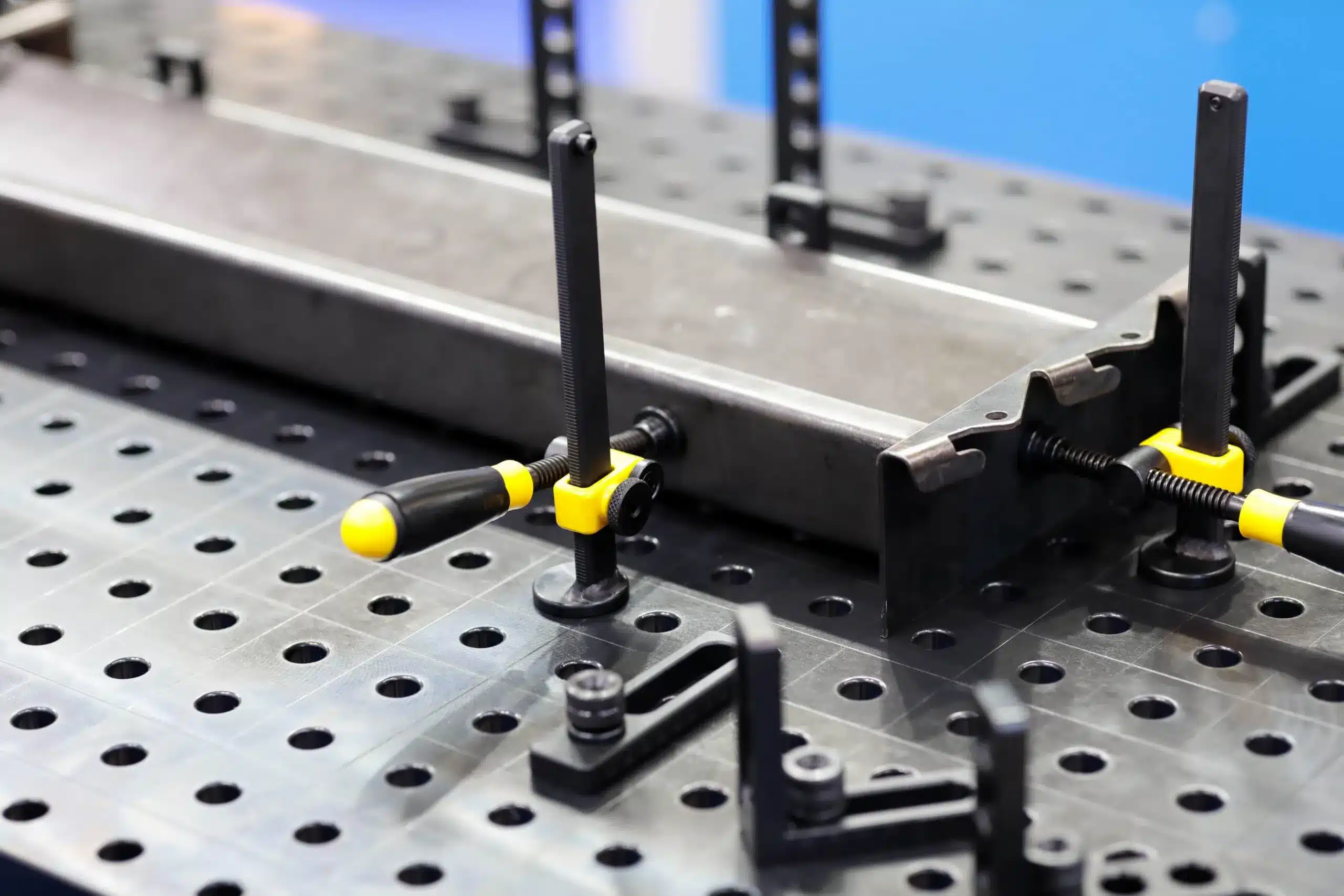
Fixtures hold your workpiece steady while you machine it. They bolt to the machine table. This lets the tool move freely around the part.
Key Roles of Fixtures
Fixtures prevent parts from shifting under force. They support complex shapes during milling or grinding. You get better finish and accuracy.
Everyday Fixture Types
A vise fixture clamps parts for turning. A milling fixture secures odd-shaped items. These are vital in automotive manufacturing for engine blocks.
Fixtures in Industry Applications
Aerospace firms use fixtures for turbine blades. In Medical Device making, they hold tiny implants steady.
Key Differences Between Jigs and Fixtures
Jigs and fixtures both aid manufacturing, but they serve different needs. Jigs move with the tool, while fixtures stay put.
Mobility and Function
Jigs are portable and guide tools. Fixtures are fixed and hold parts. This difference affects how you use them in jobs.
Complexity Levels
Jigs often handle simple guiding. Fixtures deal with stronger forces in machining.
比較表
| アスペクト | Jigs | 備品 |
| Main Purpose | Guide tools | Hold workpieces |
| Mobility | Hand-held or movable | Bolted to machine |
| コスト | Usually lower | Can be higher |
| Examples | Drill jig | Milling fixture |
This table shows quick differences to help you choose.
Benefits of Using Jigs and Fixtures
These tools boost your shop’s output. They make work faster and safer. Recent data shows big gains.
Increased Precision
Jigs and fixtures cut errors by 50-70%. They ensure parts meet tight tolerances. In 2024, shops using them reported fewer rejects.
Higher Productivity
You can produce more parts per hour. Workers need less skill for complex tasks. A study in 2026 found 20-30% speed ups in assembly lines.
Cost Savings
Lower scrap means less waste. The jigs and fixtures market hit USD 7.5 billion in 2024, growing due to these savings. Expect ROI in months.
プロのアドバイス Start with simple jigs for quick wins in your CNC service.
Types of Jigs
Jigs come in many forms for different jobs. Pick based on your task.
Template Jigs
These are flat plates with guide holes. You use them for routing patterns. Great for woodworking.
Plate Jigs
Similar but with bushings for drills. They last longer under wear.
Channel Jigs
These guide tools along edges. Useful in furniture making.
Leaf Jigs
Hinged for easy loading. Ideal for small batch CNC service jigs and fixtures.
[Suggest image/infographic: Diagram of different jig types with labels]
Types of Fixtures
Fixtures vary by machine type. They secure parts firmly.
Turning Fixtures
Hold round parts on lathes. Like chucks or mandrels.
Milling Fixtures
Base plates with clamps. For flat or angled cuts.
Grinding Fixtures
Magnetic or vacuum holds. For smooth surfaces.
Welding Fixtures
Align pieces for joins. Common in automotive frames.
How to Design Jigs and Fixtures
Design starts with your part’s needs. Follow steps for success.
Step-by-Step Design Process
- Analyze the workpiece shape and size.
- Decide on locating points.
- Choose clamping methods.
- Add guides or supports.
- Test for forces and tolerances.
Design Considerations
Think about ease of use. Avoid over-constraining. Use CAD software like SolidWorks for models.
Force and Tolerance Calculations
Calculate cutting forces. Ensure tolerances match part specs. For example, aim for 0.01mm accuracy in aerospace.
専門家のアドバイス Simulate designs in software to spot issues early.
Materials for Jigs and Fixtures
Pick materials that last under stress. Common choices include metals and plastics.
Metal Options
Steel for strength in heavy jobs. Aluminum for light weight. Hardened steel resists wear.
Plastic and Composite Materials
ABS or PLA for 3D printed prototypes. PETG for chemical resistance.
Pros and Cons
Metals are durable but costly. Plastics are cheap but wear faster. Choose based on volume.
From searches, cast iron offers 40,000 psi strength.
[Suggest image/infographic: Chart comparing material strengths and costs]
さまざまな産業での応用
Jigs and fixtures shine in many fields. They adapt to specific needs.
自動車産業
Used for engine assembly. Ford uses them to align parts quickly.
航空宇宙部門
Boeing relies on fixtures for wing riveting. Ensures safety standards.
医療機器
Hold tiny tools for precision. Helps in prosthetics making.
電子機器製造
Jigs guide soldering. Reduces defects in circuit boards.
Link to industry pages for more on CNC加工サービス in these areas.
3D Printing vs. Traditional Methods
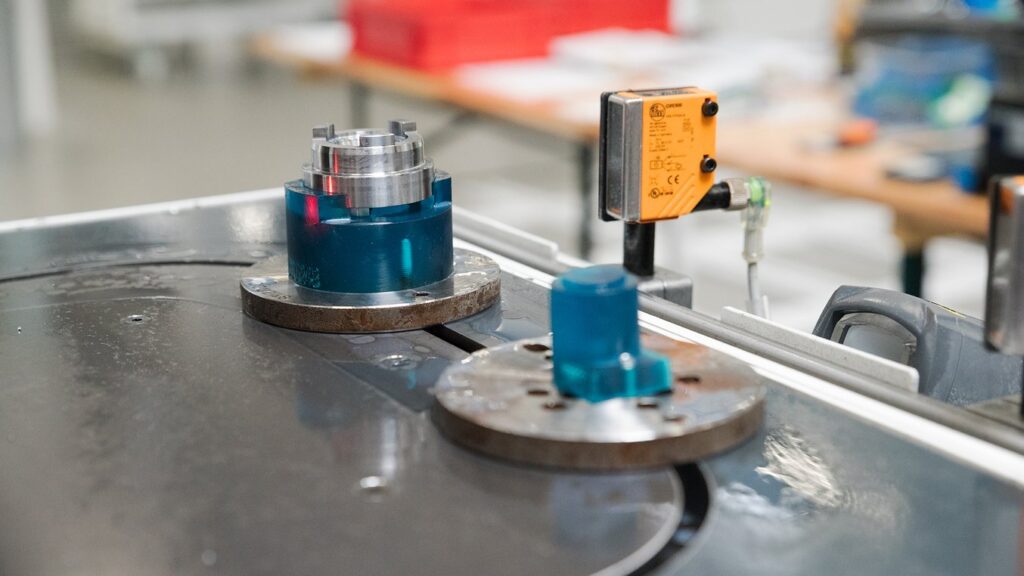
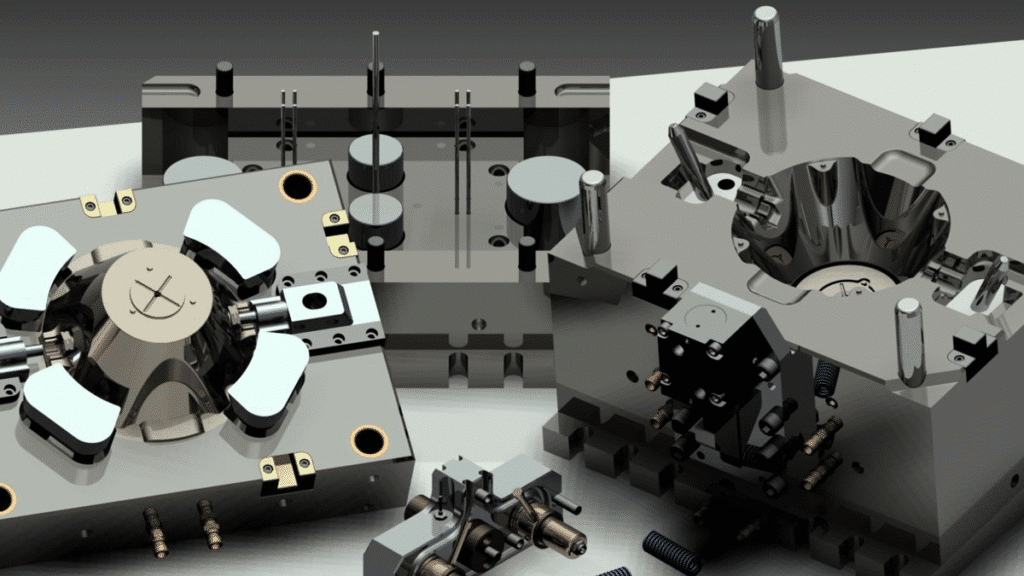
New tech changes how you make these tools.
3Dプリンティングの利点
Fast prototyping. Complex shapes easy. In 2023, it was 7.4% of additive uses.
Traditional CNC Machining
More precise for metals. Better for high volume.
When to Choose Each
Use 3D for custom, low-run. CNC for durable needs.
Cost Breakdown for Jigs and Fixtures
Understand expenses to budget well.
Material Costs
Steel: $50-200 per unit. Plastic: $10-50.
Labor and Design Expenses
Design time: 10-20 hours at $50/hour. Machining adds $100-500.
Long-Term Savings
Initial cost pays off with 20% less waste. Market growth to USD 12.3 billion by 2034 shows value.
How to Choose the Right Jig or Fixture
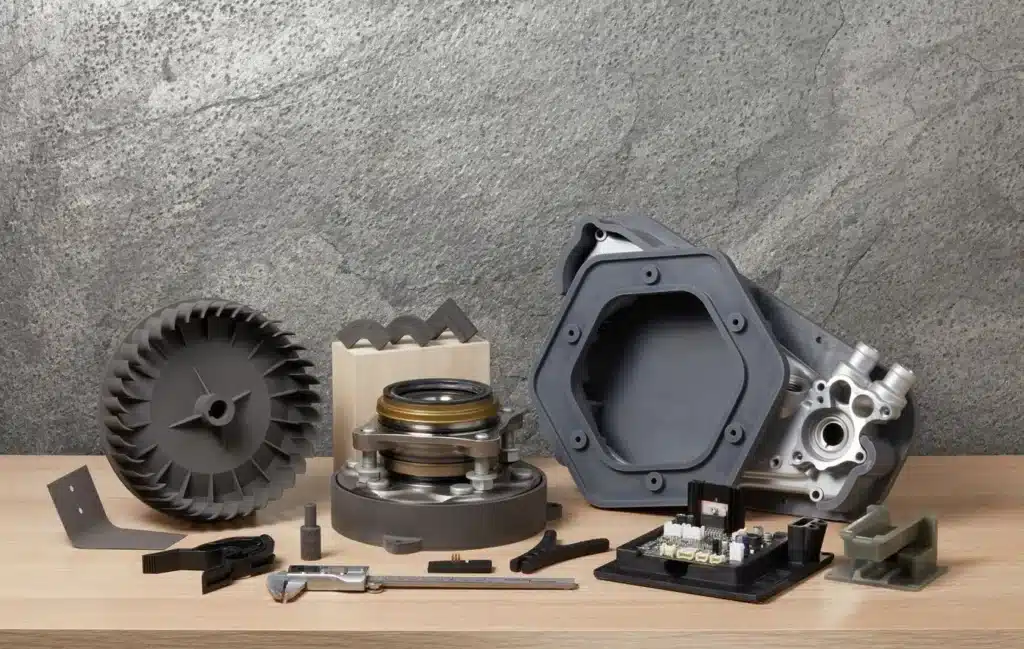
Follow this guide for smart picks.
Assess Your Needs
Look at part size and operations.
Evaluate Options
Compare costs and materials.
Test and Iterate
Try prototypes. Adjust as needed.
クイックリファレンス・チェックリスト
- Does it fit my machine?
- Can it handle forces?
- Is it easy to load?
- Does it meet tolerances?
- Budget friendly?
避けるべき一般的な間違い
Don’t fall into these traps.
- Ignoring material strength: Leads to breaks.
- Over-constraining parts: Causes distortion.
- Poor alignment design: Makes errors hard to spot.
- Skipping tests: Results in failures on job.
- Choosing wrong complexity: Wastes money.
From experts, make misalignments obvious.
要点
- Jigs guide tools; fixtures hold parts.
- Boost precision and speed in manufacturing.
- Choose materials like steel for durability.
- Avoid common mistakes like over-constraining.
- Use in industries like automotive for better results.
- 3D printing offers quick custom options.
- Market growing due to cost savings.
結論
Jigs and fixtures make manufacturing easier and better. They guide tools and hold parts for top results. You’ve learned types, designs, and tips to use them well.Remember, good choices cut costs and errors. Apply these ideas in your work for real gains. Stay updated as tech like 3D printing evolves.
よくある質問
What is the main difference between a jig and a fixture?
A jig guides the tool to the right spot on the part. A fixture holds the part steady so the tool can work on it. Both improve accuracy, but jigs are more about movement.
How do jigs and fixtures save money?
They reduce errors and waste. You make fewer bad parts. Productivity rises by 20-30%, cutting labor costs over time.
治具や固定具を3Dプリントできますか?
はい、特注品や少量生産のニーズには対応できます。プロトタイプには早くて安い。しかし、大量に使用する場合は、従来の金属の方がうまくいく。
耐久性のある器具にはどのような素材が最適ですか?
強度には硬化鋼または鋳鉄。軽作業にはアルミニウム。力と摩耗に応じて選ぶ。
治具・冶具を最も使用する産業は?
自動車、航空宇宙、医療、エレクトロニクス。複雑な部品の精度を保証します。
 English
  简体中文
简体中文  Español
  Deutsch (Sie)
  日本語
日本語  Português