
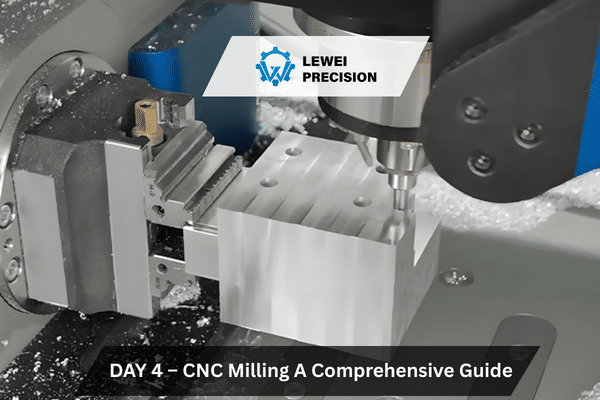
引言:了解数控铣削中的决策过程与成本因素
数控铣床 是精密制造中广泛采用的一种工艺。然而,尽管该技术本身效率极高,但围绕其应用所做的决策往往涉及多方面因素,且可能产生深远的影响。对于工程师、OEM采购方和采购经理而言,在 数控铣床——从材料选择到机器调试——都会对以下两方面产生重大影响: 费用 和 质量 最终产品的。.
在本文中,我们将详细剖析涉及的决策过程,即 数控铣床、 从选择合适的机器和工具,到选材、调试设备以及管控生产成本。我们将探讨工程师面临的权衡取舍、车间现场需要做出的实际决策,以及这些决策对整体制造过程的影响。课程结束时,您将全面掌握如何优化 数控铣床 在控制成本的同时开展运营。.
本文旨在帮助参与决策的人员——无论是工程师、采购专业人员还是OEM采购人员——就……做出明智的选择。 数控铣床 既能兼顾精度、成本效益和生产效率。.
数控铣削基础:快速回顾
什么是数控铣床?
数控(CNC)铣削是指使用旋转的 刀具 删除 材料 从工件上切削出所需的形状。该过程由计算机控制,计算机利用预先编程的指令来引导刀具沿各个轴向移动。. 数控铣床 该工艺高度自动化,具有精确的控制和可重复性,因此适用于广泛的行业和应用领域。.
在 数控铣床, ,该 刀具 根据机床配置的不同,可在多个轴向(通常为三、四或五个轴)上进行运动。最常见的配置是三轴铣削,但对于形状更复杂、精度要求更高的零件,可能需要采用四轴或五轴铣削。.
为什么决策在数控铣削中至关重要
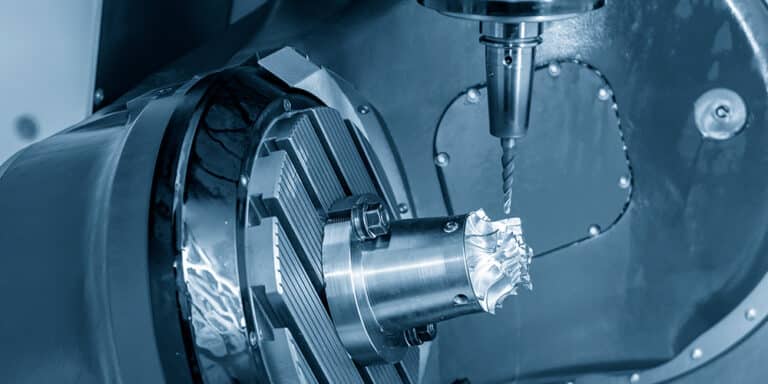
在 数控铣床, ,这个过程看似简单,但 做出的决定 在行动的每个阶段都发挥 关键作用 在决定项目成败方面。您所做的选择可能会对……产生重大影响 效率, 费用, 质量和 总体盈利能力 在铣削过程中。让我们来详细分析一下,为什么这些决策中的每一项都至关重要,以及它们如何影响最终结果。.
1. 设备选型
选择正确的 数控铣床 这是加工过程中最基础的决策之一。. 数控铣床 机器种类繁多,每种都有其独特的特点和功能,适合不同的任务。其中一些最常见的类型包括 立式铣床, 水平 铣床和 5轴数控机床。.
- 材料的适用性: 某些机器是专门设计来处理特定材料的。例如,一台专为处理 硬质合金 例如,钛材的用途将与用于 更软的材料 喜欢 铝质 或塑料。.
- 尺寸与精度: 待加工零件的尺寸也会影响机床的选择。较大的零件需要行程范围更大的机床,而较小的零件可能只需一台高精度的小型机床。.
- 精度要求: 某些部分需要 严格的公差, ,而且该设备必须能够达到所需的精度。专为……设计的设备 高精度应用 将确保零部件符合 严格的规格要求, ,既保证质量又确保功能性。.
选择错误的机器可能会导致 加工质量差, 更长的周期时间和 成本增加. 为了获得最佳效果,必须确保机器的性能与工作要求相匹配。.
2. 工具选择
"(《世界人权宣言》) 合适的工装 对于数控铣削而言,这是实现更快加工速度的关键 剪报 速度,, 更长的使用寿命和 更佳的表面处理效果. 用于 数控铣床例如 立铣刀, 演习和 铰刀, 它们具有不同的特性,因此对特定任务的适用程度各不相同。.
- 材料兼容性: 正如 机器 选择,该 材料 被加工材料的性质决定了所需刀具的类型。例如,较硬的材料如 不锈钢 或 钛 需要由更多材料制成的工具 耐用材料, 比如 硬质合金 或 高速钢 (HSS)。对于 更软的材料, ,使用较便宜的材料制成的工具可能就足够了。.
- 切削速度与刀具磨损: 工具的类型会同时影响 切削速度 和 刀具寿命. 涂层工具 (例如,, TiN 或 TiAlN (涂层)可通过减少高温和摩擦造成的磨损来延长刀具寿命。选用合适的刀具可加快切削速度、提高效率,从而减少因更换刀具而造成的停机时间。.
- 表面光洁度: 选择合适的刀具几何形状和尺寸也会影响 表面处理. 专为精细表面处理设计的工具,例如 球头立铣刀, ,可实现更平滑的切削效果和更优异的表面质量。.
如果选错了工具,结果可能会是 表面处理质量差, 过热或磨损的工具和 加工时间延长——所有这些都会对质量和盈利能力产生负面影响。.
3. 材料选择
您为该零件选择的材料直接影响该零件的几乎每一个方面, 数控铣削工艺, ,包括 加工时间, 工具磨损和 总成本.
- 加工时间:不同 材料 需要不同的 剪报 切削速度和进给速度。. 更柔软的材料, 比如 铝质, 通常更容易 机器, ,所需的时间和精力更少。另一方面,, 更硬的材料例如 钛 或 淬火钢, 通常需要更慢的 剪报 切削速度和专用刀具,导致加工时间延长。.
- 工具磨损: 更难 材料 原因 工具磨损加剧, ,导致换刀频率增加,进而推高成本。相比之下,较软的材料对刀具的要求较低,从而导致 磨损更少 和 更长的使用寿命.
- 成本考虑因素: 材料 成本在项目经济性中起着至关重要的作用。更多 昂贵的材料 这可能需要专用机床、专用工具以及更长的加工时间,这些都会增加生产成本。. 更便宜的材料 虽然加工起来更快、更方便,但可能无法满足该零件在强度、耐用性或美观性方面的要求。.
选择某一个的决定 材料 涉及权衡 性能要求 与 成本限制. 如果材料选择不当,可能会导致 支付过多 关于工具,, 生产时间延长或 不合格的成品.
4. 设备调试与工艺规划
正确的 设备调试与工艺规划 是最大限度地减少的关键 停机时间 并确保在 数控铣削加工. 这包括从……到……的一切 夹具 选择合适的方法这一部分 机加工 战略。.
- 夹具: 该部件必须牢固固定到位 在加工过程中. 该 灯具设计 决定了加工过程的精度,并最大限度地降低了工件位移的风险,这种位移可能会导致误差。.
- 加工策略: 针对 剪报 该 材料——包括选择合适的刀具路径、切削参数和加工顺序——会影响 周期时间 以及零件的质量。例如,先进行粗加工,再进行精加工,可以优化刀具磨损并提高表面光洁度。.
- 最大限度地减少停机时间: 经过周密设计的设置可最大限度地减少操作过程中的不必要换刀和调整。这有助于缩短生产时间并提高产量。.
有效的设置规划可确保 效率 该过程,并且该 机器 以最佳速度运行,最大限度地减少中断,并 虚度光阴. 设置不当或规划不周可能会导致 延误, 设备停机时间增加和 不尽如人意的结果.
决策之间的关联
与……相关的决定 设备选型, 工具选择, 材料选择和 设置 这些方面都相互关联。某个领域的错误选择可能会产生连锁反应,导致其他领域出现效率低下和质量问题。例如,如果选错了 材料 如果使用特定刀具,可能会导致刀具磨损加快,从而延长加工周期。同样,不正确的设置可能会导致工件加工不准确,从而需要返工或报废,从而增加时间和成本。.
数控铣削中的决策:影响成本和效率的因素
1. 机床选型:选择合适的数控铣床
在……中的第一个关键决定是 数控铣床 是为具体工作选择合适的机器。这一决定通常取决于以下几个因素:
a) 轴数
了解三轴、四轴和五轴数控铣削
在 数控铣床, 轴的数量 即 机器 用途决定了其处理所生产零件的不同几何形状、角度和复杂程度的能力。每种配置—— 三轴, 4轴和 5轴 — 提供不同级别的精度、速度和复杂度,了解它们的工作原理有助于确定哪种机器最适合特定应用。以下是对每种配置及其各自优势和挑战的详细说明。.
三轴铣削:
3 轴铣削 是最常见、最基础的类型, 数控铣床。. 该机器具有三个运动轴: X, Y和 Z, ,它们分别对应水平(从左到右)、垂直(上下)和深度(前后)方向。.
工作原理:
适用性:
- 非常适合简单、平坦的零件 或几何形状简单的零件。例如,它非常适合生产支架、外壳或板件等零件。.
- 性价比高 与更先进的铣床相比,这使其成为许多制造商的首选,特别是在零件结构较简单的行业中。.
限制:
- 需要进行多次设置: 对于 复杂几何形状 对于多面工件,您需要多次调整工件位置,这可能会导致 对齐错误 问题。.
- 更长的生产时间: 由于必须重新定位工件,因此 机器 生产需要多个角度的零件将耗时更长。.
- 劳动力成本增加: 随着设置次数和重新定位次数的增加,人工成本随之上升,因为 机器操作员 必须更频繁地进行干预,以调整该部件的位置。.
应用:
- 三轴铣削广泛用于生产以下零件: 相对简单例如 平坦或浅的特征, 雕刻和 轻型铣削作业 无需多面加工的。.
4轴铣削:
4轴铣削 引入了一个额外的旋转轴,通常围绕 X 轴, ,从而使 机器 用于旋转工件,并在无需手动重新定位工件的情况下加工多个面。.
工作原理:
- 在4轴铣削中,刀具沿 X, Y和 Z 轴,工件还可以绕 X 轴 (第四轴)。.
- 这种旋转运动使得多面 机加工. 该机床可旋转工件,从而无需移动或重新定位工件即可加工其不同表面。.
好处
- 效率提高: 由于工件无需重新定位,因此 机器 无需操作员干预即可对工件的多面进行加工。这减少了 设置时间 和 重新定位误差.
- 提高精确度: 减少重新定位的次数有助于改善零件对准,从而降低因手动调整而导致的对准偏差和缺陷的风险。.
缺点:
- 费用: 4轴机床比 三轴机床, ,无论是在初期投资还是运营成本方面,这都是由于旋转轴带来的额外复杂性所致。.
- 对于复杂几何形状,目前仍存在局限性: 虽然四轴铣削在加工多面时具有一定的灵活性,但在处理那些角度和精度超出标准旋转能力范围的零件时,它仍然存在局限性。.
应用:
- 4轴铣削适用于更多 复杂零件 比三轴铣削更复杂,例如 齿轮箱, 转子叶片和 汽车零部件 需要多面加工的工件或具有 圆形或圆柱形特征.
5轴铣削:
5轴铣削 是最先进、用途最广泛的 数控铣床. 它为机床增加了两个轴,通常以 旋转运动 在……周围 Y 轴 和 Z 轴, ,从而使工件能够以几乎任何角度定位进行加工。.
工作原理:
- 除了 X, Y和 Z 轴,, 5 轴机床 包括两个额外的旋转轴: A 轴 (绕X轴旋转)以及 B 轴 (绕Y轴旋转)。.
- 这使得工件能够同时在多个方向上进行倾斜、旋转和移动,从而能够 机加工 从多个角度进行观察,而无需重新定位工件。.
好处
- 精度和复杂性的提高: 5轴铣削可加工出 极其复杂的零件 具有多种特征和复杂的几何形状。例如,它可以轻松处理具有 曲面, 轮廓造型和 低价竞争 用……加工起来会很困难甚至不可能 3轴或4轴机床。.
- 大幅缩短了生产时间: 由于工件无需重新定位即可从多个角度进行加工,, 5 轴机床 缩短加工时间 和 提高吞吐量. 对于需要严格公差或具有复杂几何形状的零件而言,这一点尤为重要。.
- 高品质表面处理: 能够从不同角度加工工件,有助于提高表面光洁度,从而减少后续加工工艺就像打磨或抛光一样。.
缺点:
- 成本高: 与3轴或4轴机床相比,5轴机床的购置和运营成本要高得多 机器。. 这包括……的成本增加, 维护, 工装和 编程.
- 复杂编程: 编程一个 五轴加工中心 这需要技术娴熟的操作员和更先进的软件,因此它更 技术要求高且资源消耗大 过程。
- 工具磨损: 多角度加工的复杂性增加可能会导致更高的 工具磨损, ,特别是在处理硬质材料时 材料 或复杂的形状。.
应用:
对比总结:
| 特点 | 3 轴铣削 | 4 轴铣削 | 5 轴铣削 |
| 运动轴 | X、Y、Z | X、Y、Z + 绕X轴旋转 | X、Y、Z 以及绕 X、Y、Z 轴的旋转 |
| 复杂性 | 简单、平面的零件 | 多面加工,中等复杂度 | 高度复杂的多角度加工 |
| 效率 | 中等(需要多次设置) | 提高效率,减少调试次数 | 效率极高,无需重新定位 |
| 费用 | 最便宜的 | 比三轴的更贵 | 最昂贵的选项 |
| 应用 | 简单的构件,扁平的几何形状 | 圆柱形、多边形零件 | 高精度、结构复杂或3D零件 |
| 精度 | 简单零件的标准精度 | 精度得到提升,特别是对于多边形零件 | High precision for complex geometries |
- etries to be machined in a single setup.
b) Machine Size and Workpiece Capacity
- Larger machines are required for larger workpieces. The size of the machine you select impacts both cost and efficiency, as bigger machines tend to have higher operating costs and longer setup times.
- Machine rigidity is also a consideration. For heavy-duty 机加工 or high-precision parts, a more rigid machine minimizes vibration and allows for more consistent quality.
c) Speed and Precision Requirements
- Machines with higher precision are often slower and more expensive. Depending on your part’s tolerance requirements, balancing speed with accuracy is crucial.
- Spindle speed 和 进给速度 must also be considered in choosing a 机器. Higher spindle speeds allow for faster 剪报 but may wear tools more quickly.
Decision Example:
A manufacturer of aerospace components requires extremely high tolerances and surface finishes. A 5 轴数控机床 may be necessary, even though it’s more expensive, as it will reduce cycle time and eliminate the need for multiple setups, which are costly in terms of labor and tooling.
2. Tool Selection: Balancing Cost and Performance
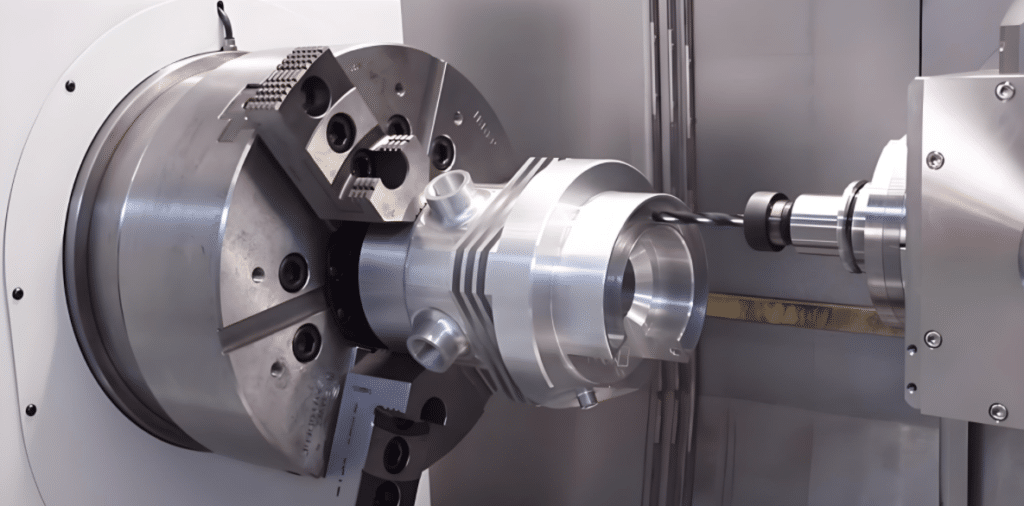
Tools are central to 数控铣床 performance. The selection of 切削工具 affects both the 表面处理 和 剪报 效率. Tool costs vary significantly based on material, design, and coating. Selecting the right tool can also minimize downtime, increase tool life, and improve part quality.
a) Material of the Cutting Tool
- Carbide tools are commonly used for high-performance milling, especially in 材料 喜欢 不锈钢 和 钛. Carbide tools are harder and wear-resistant but are also more expensive.
- High-speed steel (HSS) is cheaper and works well for 更软的材料 but has a shorter tool life compared to carbide.
b) Coatings and Tool Types
- 涂层工具 (such as TiN 或 TiAlN) reduce friction and wear, which improves performance and tool life. However, the initial cost is higher.
- Specialized tools like ball end mills 或 slotting cutters are required for specific tasks, and selecting the right tool is key to achieving the desired surface finish and tolerances.
Decision Example:
An OEM buyer needs to mill high-strength steel 对于 汽车零部件. Opting for 硬质合金工具 与 TiAlN coatings will help maintain tool life under high cutting pressures, improving efficiency even though the tooling costs are higher.
3. Material Selection: Costs and Challenges
"(《世界人权宣言》) 材料 you choose has a direct impact on machining costs, cycle time, and tool wear. The machinability of the material—its ease of 剪报, hardness, and wear resistance—determines the overall cost of manufacturing.
a) Common Materials in CNC Milling
- 铝质 is one of the most commonly used 材料 because it is light, easy to machine, and relatively inexpensive. It also offers good machinability, which allows for faster production cycles.
- 钢 is used in a wide range of applications but requires slower 剪报 speeds and more robust tooling, increasing both tool wear and production time.
- 钛 is strong and corrosion-resistant, but it is difficult to machine. The high 剪报 forces and tool wear associated with machining titanium can drive up costs significantly.
b) Material Costs and Machinability
- High machinability materials 喜欢 铝质 和 黄铜 can be machined faster with fewer tools, resulting in lower per-part costs.
- 更硬的材料 例如 钛 或 不锈钢 may require slower speeds, more rigid machines, and specialized tooling, increasing both 材料 and operational costs.
Decision Example:
A manufacturer producing 航空支架 might opt for 铝质due to its balance of machinability, cost, and strength-to-weight ratio. Using 钛 would increase the cost, as it demands slower machining, more tooling, and higher operational costs.
4. Setup and Labor Costs: Minimizing Production Time
机器 设置时间 以及 complexity of operations directly affect the overall cost of 数控铣床. Parts with intricate geometries or multi-faceted features require more setups, which can increase labor costs and 机器 time.
a) Setup Time
Setup time includes the time spent aligning the machine, loading the part, and configuring the toolpaths. The more complex the part, the more setups are required. Multi-axis machines (4-axis, 5-axis) help minimize setup time by enabling multi-sided machining in one go.
b) Labor Costs
Labor costs increase when operators need to intervene frequently due to tooling changes, part realignment, or other manual adjustments. Automated features like robotic part handling 或 in-process probing can reduce these labor costs.
Decision Example:
For a 医疗器械 manufacturer producing 植入物, using a 5轴 数控机床 eliminates the need for multiple setups, reducing both labor time and costs. Though the initial machine setup might be more expensive, the long-term savings in time and labor outweigh the costs.
Common Mistakes and How to Avoid Them
1. Overlooking Tool Wear
Tool wear can significantly affect part quality and cost. Failing to account for tool wear can result in dimensional inaccuracies, 表面处理质量差和 reduced tool life. This increases both 材料 waste and machine downtime.
解决方案: Regular monitoring of tool condition, using tool life management systems, and adopting predictive maintenance strategies help avoid this issue.
2. Not Optimizing Cutting Parameters
Optimizing 剪报 parameters such as 剪报 速度, 进给速度和 切削深度 is essential for achieving the desired tolerances and surface finish. Incorrect settings can cause excessive heat buildup, poor chip removal, and premature tool wear.
解决方案: Invest in 剪报 simulations 和 feed-rate optimization software to fine-tune settings for each 材料 and part type.
Trade-Offs, Limitations, and Decision Logic Engineers Use
1. Precision vs. Production Speed
Tighter tolerances and finer surface finishes often result in slower 剪报 speeds, which increase cycle times. Engineers must weigh the trade-off between precision and efficiency.
决策逻辑: 对于 high-volume production, engineers may opt for slightly looser tolerances and faster 剪报 speeds to reduce cycle times and tooling costs, provided it doesn’t compromise the part’s functionality.
2. Tool Cost vs. Tool Life
High-performance tooling, such as carbide inserts with specialized coatings, offers longer tool life but comes with a higher upfront cost. Engineers must consider the total cost of ownership, including how long the tools will last and how much 材料 will be removed before requiring replacement.
决策逻辑: 对于 high-volume machining, the higher initial tooling costs are often justified by the increased tool life and fewer tool changes.
Conclusion: Optimizing CNC Milling Decisions to Minimize Costs and Maximize Quality
In CNC milling, the decisions made regarding machine selection, tooling, 材料 choice, and setup all influence the overall cost and quality of the final product. By understanding the intricacies of each stage in the process—from initial material selection to final inspection—engineers and procurement managers can make informed decisions that balance precision, speed, and cost-efficiency.
By considering all the factors involved, identifying trade-offs, and strategically optimizing each step, manufacturers can reduce costs, improve part quality, and ensure timely deliveries without compromising on the precision that 数控铣床 offers.
With this knowledge, engineers, OEM buyers, and procurement managers will be equipped to make more strategic, data-driven decisions that align with both operational goals and financial objectives.
常见问题
1. 如何为我的项目选择合适的数控铣床?
选择合适的机床取决于零件的复杂程度、材料、产量以及公差要求。对于简单零件,3轴机床可能就足够了;而对于几何形状复杂的零件,则可能需要4轴或5轴机床,以减少装夹次数并提高精度。.
2. 哪些关键因素会影响数控铣削的成本?
主要成本因素包括 材料选择, 机器类型, 模具费用, 设置时间, 劳动力成本和 循环时间. 优化上述各项因素有助于降低总体生产成本。.
3. 如何优化数控铣削中的刀具使用,以降低成本?
根据材料选用合适的刀具、优化切削参数以及定期监测刀具磨损,可以显著降低刀具成本。投资购买高质量、耐用的刀具,还可以减少换刀的频率。.
4. Can I reduce cycle time without compromising quality?
是的,优化切削参数、为工件选择合适的机床以及选用高效的刀具,可以在不牺牲质量的前提下缩短加工周期。自动化和多轴机床也有助于减少人工干预并提高加工速度。.
如何确定最经济实惠的数控铣削材料?
哪种材料最具成本效益,取决于零件的功能、强度要求以及可加工性。像铝这样的较软材料,加工速度更快、成本更低,但可能无法满足特定应用所需的强度要求。.

 English
 简体中文
 Español
 Deutsch (Sie)
 日本語
 Português