 Ir al contenido
Servicio de moldeo por inserción
We provide professional insert molding services, integrating metal inserts into precision-molded plastics to produce strong, durable, and assembly-ready components for multiple industries. Our process supports both rapid prototyping and full-scale production with consistent quality and accuracy.al inserts into molded plastics for robust and durable parts suitable for various industries.
- Certified, High-Quality Manufacturing – ISO 9001:2015, ISO 13485, ISO 14001:2015, and IATF 16949:2016 standards ensure precision, reliability, and compliance
- Fast, Cost-Transparent Production – International prototype pricing with tariffs included, delivering quick-turn prototypes and production parts in days
- Prototype-to-Production Scalability – Tight tolerances, repeatable quality, and seamless transition from prototyping to volume manufacturing


Dé vida a sus ideas de producto de forma rápida y precisa con nuestros servicios expertos de creación de prototipos.
Why Choose Lewei Precision for Insert Molding Services
Lewei Precision delivers reliable insert molding services designed for engineers, product teams, and manufacturers who need strong, accurate, and production-ready plastic components. Our experience, certified processes, and engineering-driven approach ensure consistent quality from prototyping through full-scale production.
Precision Insert Placement
Accurate positioning of metal and custom inserts ensures superior strength, repeatability, and dimensional consistency in every molded part.
Flexible insert molding services support low-volume prototypes, bridge tooling, and high-volume production without changing suppliers.
Experienced engineers provide design-for-manufacturing feedback, material compatibility guidance, and mold optimization to reduce risk and cost.
What Is Insert Molding?
Insert molding is a specialized injection molding process where metal, plastic, or engineered inserts are placed into a mold cavity before molten plastic is injected. During molding, the plastic flows around the insert and solidifies, creating a strong, permanent bond without the need for secondary assembly. Unlike traditional injection molding, which produces fully plastic parts, insert molding services allow multiple materials to be combined into a single, functional component in one manufacturing step.
By permanently encapsulating inserts during molding, insert molding services deliver parts with enhanced mechanical strength, improved wear resistance, and reliable electrical or structural performance. The process reduces part weight compared to all-metal components while increasing durability over assembled parts. These functional and structural advantages make insert molding an ideal solution for applications that demand precision, long-term reliability, and production-ready performance across industries such as automotive, electronics, medical devices, and industrial equipment.

Surface Finish Options for Insert Molding Services
Surface finishes play an important role in both the appearance and performance of insert molded parts. With professional insert molding services, surface finishes can be achieved directly through mold textures or applied after molding to enhance durability, aesthetics, and functionality. The right finish helps improve wear resistance, grip, corrosion protection, and overall product appeal without compromising part integrity.

Achieved directly from polished mold surfaces, ideal for clean, cosmetic parts requiring a uniform appearance.

Mold-applied textures improve grip, reduce glare, and hide minor surface marks on visible components.

A low-gloss surface that provides a refined look while minimizing fingerprints and surface reflections.

Applied post-molding to enhance color, surface protection, and environmental resistance.

Metal inserts can be plated to improve corrosion resistance, conductivity, or visual appeal.

Permanent, high-precision markings for part identification, branding, or traceability without affecting dimensions.
Insert Molding Process at Lewei Precision
Insert Preparation & Placement
Metal or custom inserts are precisely positioned in the mold using fixtures or automation to ensure accurate alignment and repeatable results.
Plastic Injection & Encapsulation
Molten thermoplastic is injected under controlled conditions, flowing evenly around the insert to fully encapsulate it.
Cooling & Bond Formation
The plastic cools and solidifies, forming a strong mechanical and thermal bond that permanently secures the insert.
Part Ejection & Quality Inspection
Finished parts are ejected and inspected for dimensional accuracy, insert integrity, and tolerance compliance.
Soluciones de mecanizado CNC
Prototype & Rapid Tooling
Nuestra insert molding services support fast validation and early testing using cost-effective aluminum tooling. This option is ideal for prototypes, design verification, and short production runs, helping you reduce upfront costs while accelerating time to market.
Capacidad: Low to medium volumes
Plazo de entrega: Fast turnaround for validation builds
Herramientas de producción
For scaled manufacturing, we provide durable steel molds engineered for long-term, high-volume insert molding services. These tools deliver consistent quality, tight tolerances, and reliable performance across extended production cycles.
Capacidad: Producción de gran volumen
Plazo de entrega: Optimized for repeatability and efficiency

Materiales para Moldeo por inserción
Plásticos
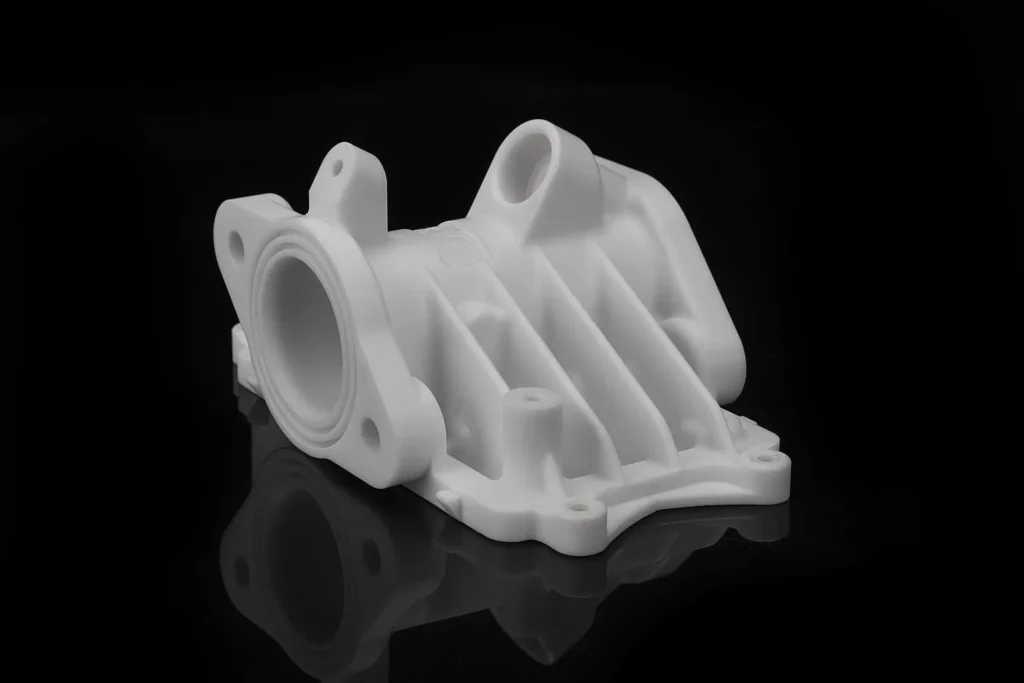
El ABS es fuerte, duradero y ofrece buena resistencia al calor y a los impactos. Es el preferido para componentes de automoción y bienes de consumo.
ABS Beige(Natural)
ABS Negro
ABS Negro Antiestático
ABS blanco lechoso
ABS+PC Negro
ABS+PC Blanco
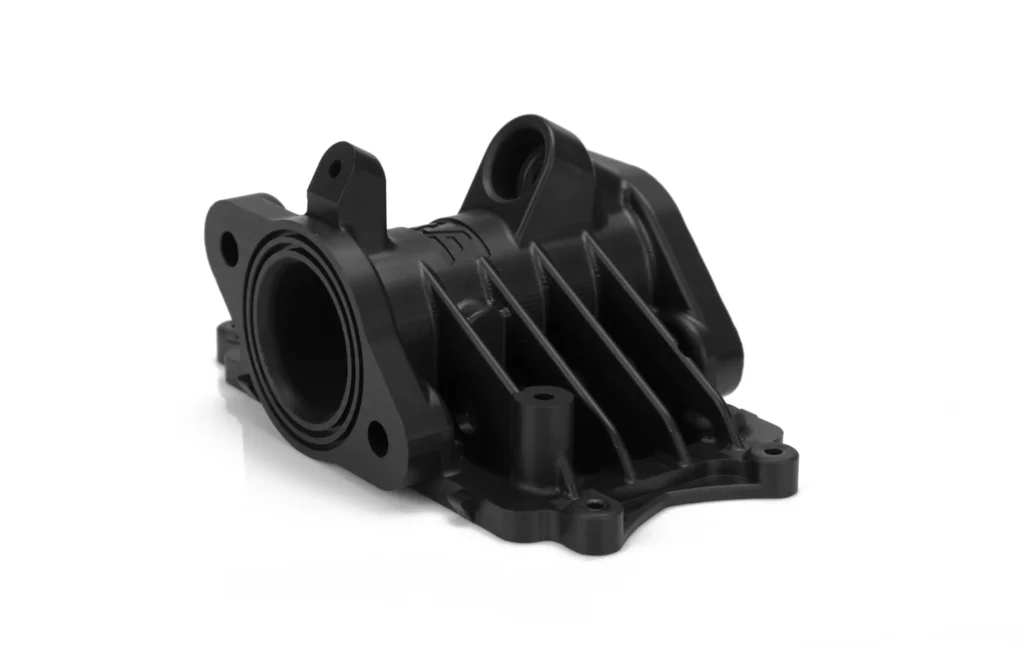
El policarbonato es extremadamente duradero y tiene una gran resistencia a los impactos, además de una excelente claridad, por lo que se utiliza para cristales antibalas y equipos de protección.
PC Negro
PC Transparente
PC Blanco
PC Blanco amarillento
PC+GF30 Negro
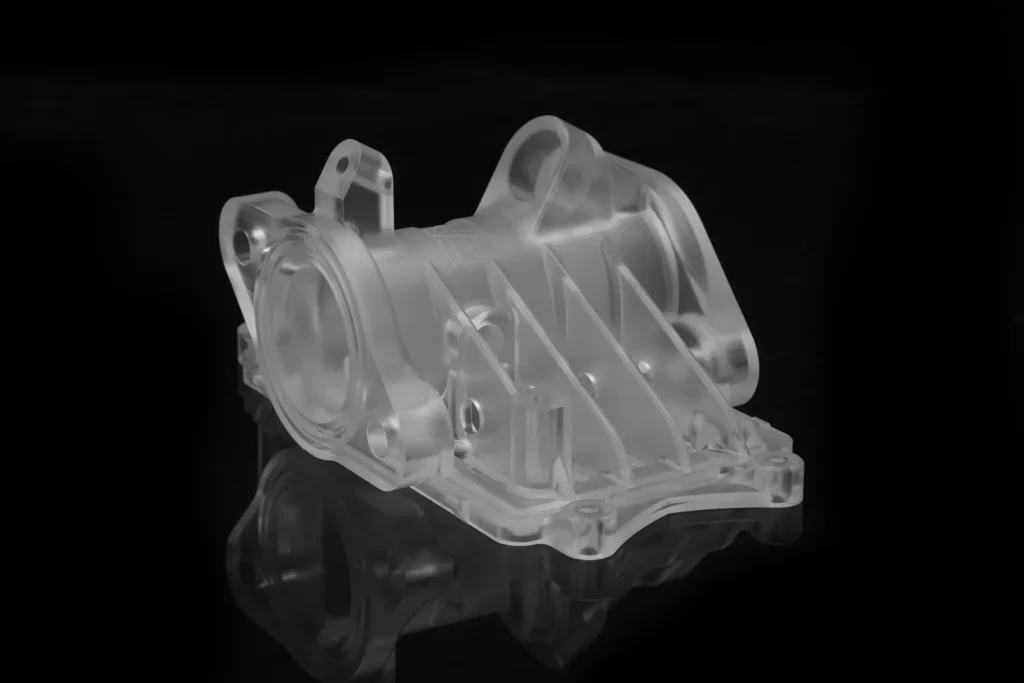
El PMMA, o acrílico, es conocido por su claridad cristalina y su resistencia a la intemperie, lo que lo hace ideal para accesorios y vitrinas de exterior.
PMMA Negro
PMMA Transparente
PMMA Blanco
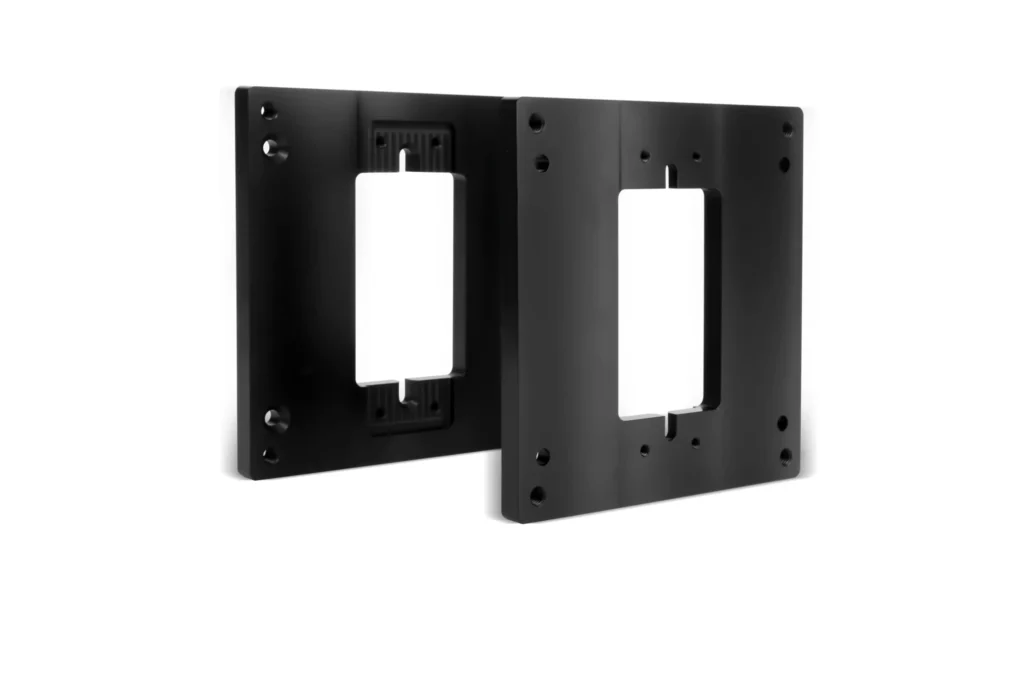
El POM es resistente, con una superficie de baja fricción y buena estabilidad dimensional, perfecto para piezas de precisión en aplicaciones mecánicas.
Marrón oscuro (café) POM 100AF
POM Negro
POM Azul
POM Blanco
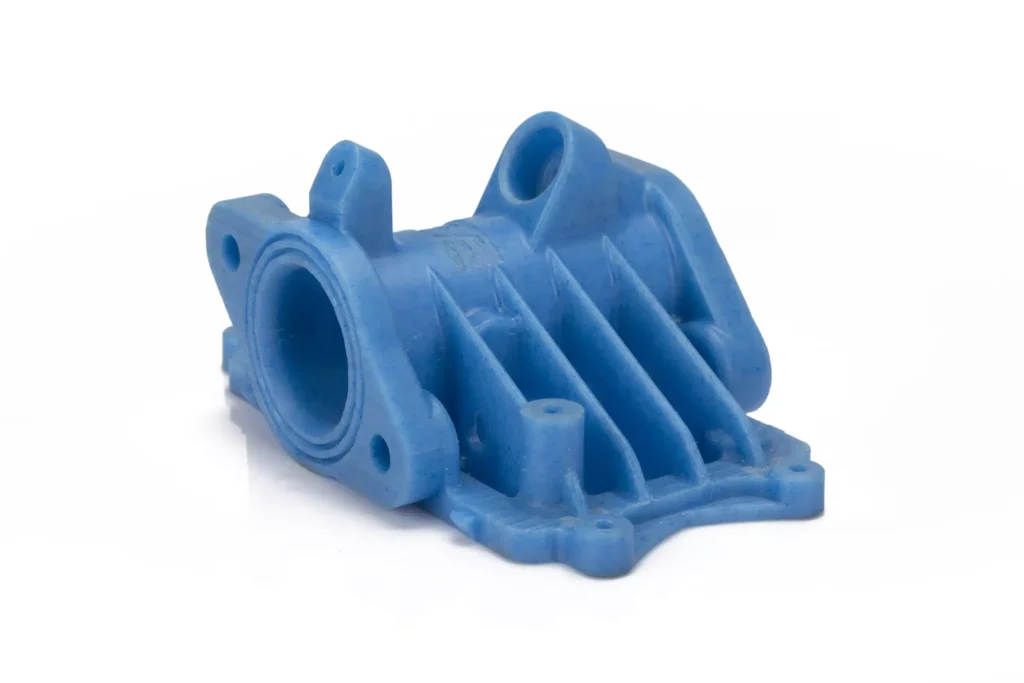
El nailon es versátil, fuerte y se desgasta bien contra la fricción, por lo que suele utilizarse para engranajes, cojinetes y otras superficies resistentes al desgaste.
PA(Nylon) Azul
PA6 (Nylon)+GF15 Negro
PA6 (Nylon)+GF30 Negro
PA66 (Nylon) Beige(Natural)
PA66 (Nylon) Negro
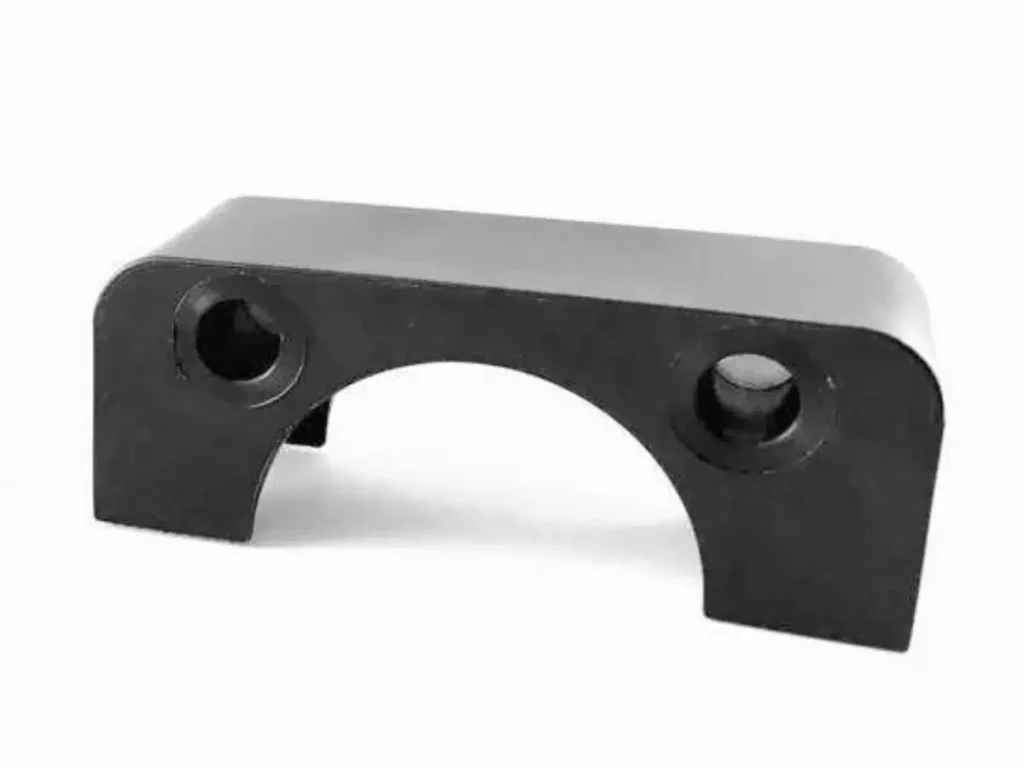
El polietileno es ligero y tiene una gran resistencia al impacto, por lo que se utiliza mucho en envases y contenedores.
PE Negro
PE Blanco
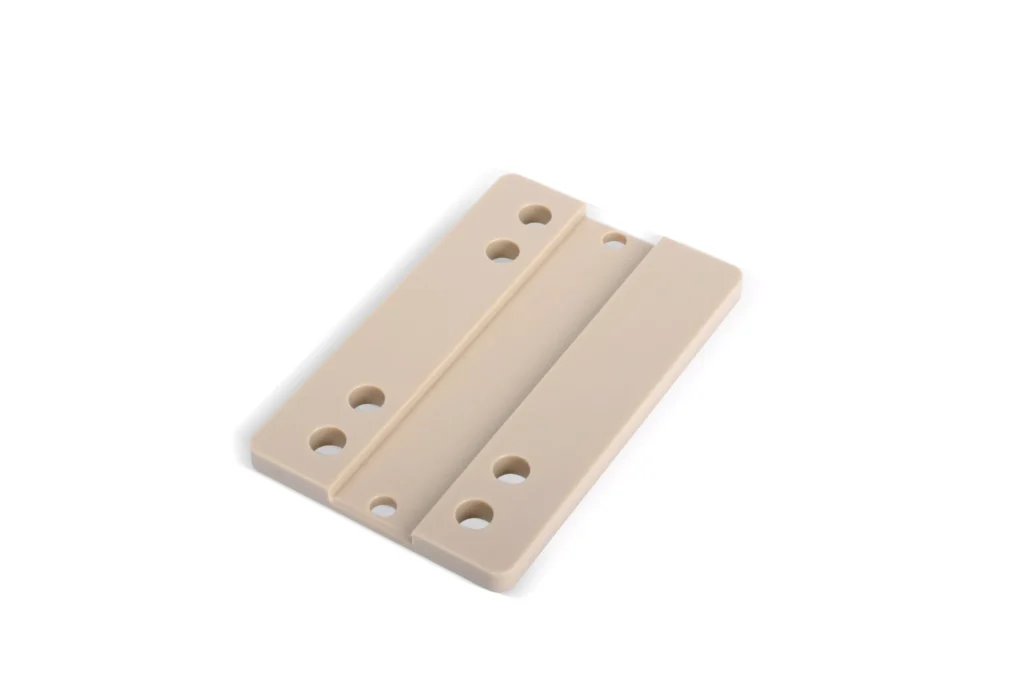
El PEEK es famoso por su resistencia a altas temperaturas y su solidez, y se utiliza a menudo en la fabricación de implantes aeroespaciales y médicos.
PEEK Beige(Natural)
PEEK Negro
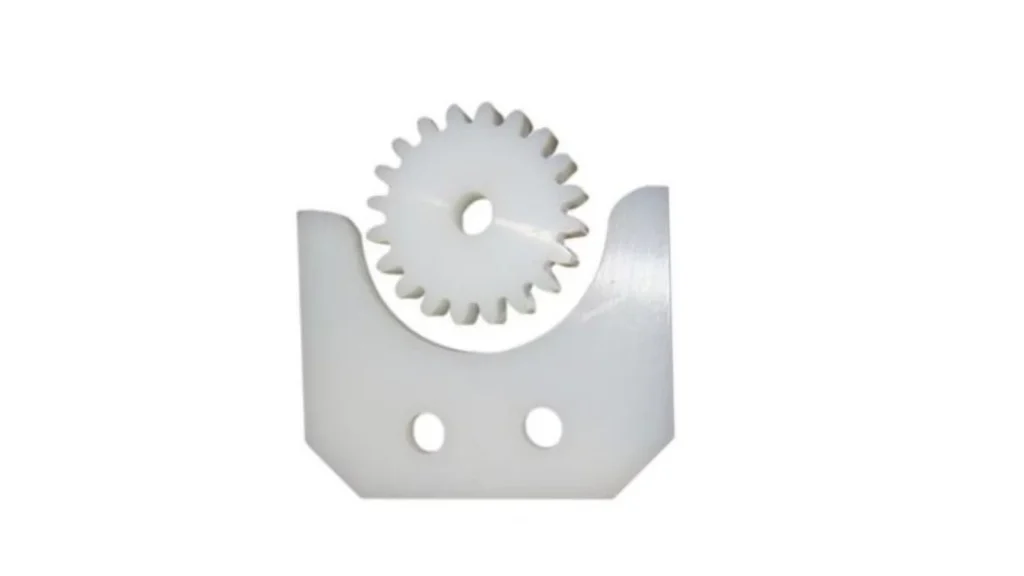
El polipropileno es duro, tiene una excelente resistencia química y se utiliza para piezas de automóviles, envases y embalajes.
PP Negro
PP Blanco
PP+GF30 Negro
Insert Molding vs Overmolding
Choosing between insert molding services and overmolding depends on part function, material requirements, production volume, and performance goals. While both processes combine multiple materials, they serve different manufacturing purposes.
| VS | Moldeo por inserción | Sobremoldeado |
|---|---|---|
| Tipo de proceso | Inserts (metal or plastic) are placed into the mold before injection | A second material is molded over an existing plastic substrate |
| Primary Purpose | Structural strength, load-bearing, and functional reinforcement | Improved grip, sealing, comfort, or aesthetics |
| Assembly Requirement | No secondary assembly required | Typically requires a two-step molding process |
| Material Combination | Plastic molded around metal or rigid inserts | Soft materials (TPE, rubber) molded over rigid plastics |
| Mechanical Strength | High strength and durability due to embedded inserts | Moderate strength, focused more on surface functionality |
| Thread & Wear Resistance | Excellent for threaded inserts, bushings, and fasteners | Not suitable for threaded reinforcement |
| Design Complexity | Limited by insert placement and mold design | Greater design freedom for textures and soft-touch features |
| Production Efficiency | Single-shot process reduces labor and cost | Multi-shot process increases tooling and cycle time |
| Aplicaciones típicas | Threaded housings, electrical connectors, sensor components | Tool handles, grips, seals, gaskets, consumer products |
| Best Use Case | Functional, structural, and load-bearing parts | Ergonomic, protective, or cosmetic enhancements |
Sobremoldeo Capacidades
La electroerosión por hilo de Lewei Precision, que forma parte de nuestros servicios CNC, permite fabricar con eficacia formas simples e intrincadas. Ideal para piezas que requieren gran precisión, este método sin contacto produce rebabas mínimas y destaca con metales como el acero y el titanio. Favorito en la industria aeroespacial, de automoción y electrónica por su precisión, garantizamos soluciones personalizadas y precisas independientemente de sus necesidades.

Capacidad
Detalles/Especificaciones
Compatibilidad de materiales
Acero inoxidable, titanio, aluminio, acero para herramientas, cobre
Tolerancia
± 0,0001 pulgadas (0,0025 mm) o mejor (en función del material y el grosor)
Tamaño máximo de la pieza
Longitud: 400 mm
Anchura: 300 mm
Altura: 200 mm
Velocidad de corte
Hasta 300 mm2/min (según el material y el grosor)
Acabado superficial
Tan fino como Ra 0,2 µm
Espesor máximo de corte
Hasta 300 mm (12 pulgadas) - varía en función del material
Gama de diámetros de alambre
0,004 pulgadas (0,1 mm) a 0,012 pulgadas (0,3 mm)
Gama de diámetros de alambre
0,004 pulgadas (0,1 mm) a 0,012 pulgadas (0,3 mm)
Gama de diámetros de alambre
0,004 pulgadas (0,1 mm) a 0,012 pulgadas (0,3 mm)
Ventajas
Ventajas del mecanizado de precisión
Insert molding services offer clear manufacturing and performance advantages by integrating inserts directly into molded plastic parts, eliminating extra assembly steps while improving strength and reliability.
- Eliminates Secondary Assembly Inserts are molded directly into the part, reducing labor, assembly time, and potential failure points.
- Improves Mechanical Strength & Durability Metal or engineered inserts reinforce plastic components, increasing load capacity and structural integrity.
- Reduces Part Size & Weight Insert molding replaces bulky all-metal parts with lightweight plastic-metal hybrids without sacrificing performance.
- Enhances Thread Life & Wear Resistance Embedded metal threads and bushings improve fastening strength and resistance to repeated use.
- Improves Long-Term Reliability Permanent bonding between insert and plastic ensures consistent performance under stress, vibration, and heat.
- Supports Complex Multi-Material Designs Insert molding services enable the integration of multiple materials into a single, functional component.
Aplicaciones
Aplicaciones del mecanizado de precisión
Insert molding services are widely used across industries that require strong, precise, and assembly-ready components.
- Threaded Housings Plastic housings with integrated metal threads for secure fastening and repeated assembly.
- Electrical Connectors Insert-molded contacts and terminals for reliable conductivity and insulation.
- Sensor Components Precision housings and mounts that protect sensitive electronics and ensure accurate alignment.
- Reinforced Plastic Assemblies Plastic parts strengthened with metal inserts for load-bearing applications.
- Wear-Resistant Mechanical Parts Bushings, sleeves, and contact surfaces designed for durability and reduced friction.
- Structural Plastic-Metal Hybrids Lightweight yet strong components combining the benefits of both plastic and metal.
Quality Control & Inspection for Insert Molding Services


At Lewei Precision, quality control is built into every stage of our insert molding services to ensure consistent performance and reliable results. Before production begins, each mold undergoes thorough pre-production inspection to verify tooling accuracy, insert fitment, and process readiness prior to sampling. During production, in-process inspections are carried out to monitor insert placement, molding consistency, and dimensional stability, helping maintain tight tolerances and prevent defects in real time.
Before shipment, all insert molded parts go through final part validation, including dimensional checks, visual inspection, and functional testing to confirm compliance with design specifications. To support full transparency and traceability, we provide inspection reports, material certificates, and compliance documentation upon request. This structured quality approach ensures our insert molding services meet industry standards and deliver dependable, production-ready components every time.
Sobremoldeo vs Moldeo por inserción


Preguntas frecuentes sobre el mecanizado CNC
1. What is insert molding used for?
Insert molding is used to create strong, functional parts by embedding metal or engineered inserts directly into plastic components. It is commonly applied to threaded housings, electrical connectors, sensor components, and reinforced plastic assemblies.
2. What materials can be used in insert molding services?
Insert molding supports a wide range of thermoplastics such as ABS, nylon, polycarbonate, PP, PPS, and PEEK, along with inserts made from stainless steel, brass, aluminum, copper, and custom-machined metals.
3. Is insert molding suitable for low-volume production?
Yes, insert molding services are suitable for low-volume production, prototyping, and bridge tooling using cost-effective aluminum molds before scaling to high-volume manufacturing.
4. What tolerances can be achieved with insert molding?
Tolerances depend on part geometry and materials, but insert molding can achieve tight, repeatable tolerances suitable for precision assemblies and functional components.
5. How does insert molding help reduce manufacturing costs?
Insert molding eliminates secondary assembly, reduces labor, minimizes fasteners, and improves part reliability, resulting in lower overall production and lifecycle costs.
6. What is the typical lead time for insert molding services?
Lead times vary by tooling and part complexity. Prototypes and samples can be delivered quickly, while production tooling is optimized for consistent, on-time delivery.
7. Do you provide DFM support for insert molding?
Yes, engineering teams provide Design for Manufacturability (DFM) feedback, including insert placement, material selection, and mold optimization to improve quality and reduce risk.
8. Can insert molded parts scale from prototype to production?
Insert molding services are designed to scale smoothly from early prototypes to high-volume production without changing suppliers or processes.
9. How secure is the bond between the insert and plastic?
The insert is permanently bonded during molding through mechanical and thermal encapsulation, ensuring long-term strength, stability, and resistance to loosening.
10. What industries commonly use insert molding services?
Insert molding is widely used in automotive, electronics, medical devices, industrial equipment, and consumer products where durability, precision, and assembly-ready parts are required.
 English
  简体中文
简体中文  Español
  Deutsch (Sie)
  日本語
日本語  Português