
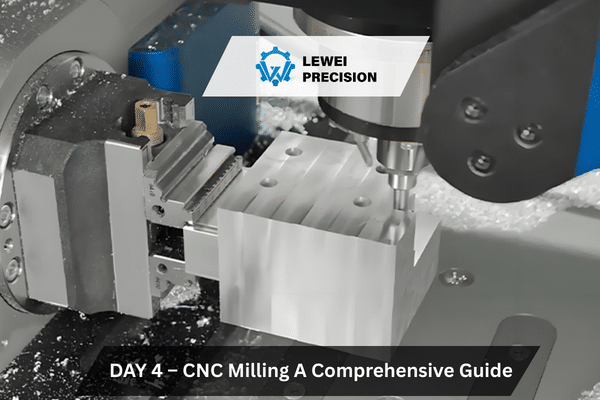
Introducción: Comprender el proceso de toma de decisiones y los factores de coste en el fresado CNC
Fresado CNC es un proceso muy utilizado en la fabricación de precisión. Sin embargo, aunque la tecnología en sí es muy eficaz, las decisiones que rodean su aplicación suelen ser polifacéticas y pueden tener implicaciones de gran alcance. Para los ingenieros, los compradores de OEM y los responsables de compras, las decisiones tomadas en Fresado CNC-desde la selección del material hasta la puesta a punto de la máquina, pueden influir significativamente tanto en el coste y calidad del producto final.
En este artículo, desglosaremos el proceso de toma de decisiones que implica Fresado CNC, desde la selección de la máquina y las herramientas adecuadas hasta la elección de los materiales, la configuración de la máquina y la gestión de los costes de producción. Exploraremos los compromisos a los que se enfrentan los ingenieros, las decisiones reales que deben tomarse en el taller y el impacto de dichas decisiones en el proceso de fabricación global. Al final, usted tendrá una comprensión global de cómo optimizar Fresado CNC operaciones manteniendo los costes bajo control.
Este artículo pretende ayudar a los responsables de la toma de decisiones, ya sean ingenieros, profesionales de la contratación o compradores de equipos originales, a elegir con conocimiento de causa. Fresado CNC que equilibran precisión, rentabilidad y eficacia de producción.
Fundamentos del fresado CNC: Un resumen rápido
¿Qué es el fresado CNC?
El fresado CNC (Control Numérico por Ordenador) se refiere al proceso de utilizar una máquina giratoria para fresar. herramienta de corte para eliminar material de una pieza de trabajo para conseguir la forma deseada. El proceso está controlado por un ordenador, que utiliza instrucciones preprogramadas para guiar los movimientos de la herramienta a lo largo de varios ejes. Fresado CNC es altamente automatizada y ofrece un control y una repetibilidad precisos, por lo que resulta adecuada para una amplia gama de industrias y aplicaciones.
En Fresado CNCEl herramienta de corte se mueve a lo largo de varios ejes -normalmente tres, cuatro o cinco- en función de la configuración de la máquina. La configuración más común es el fresado de 3 ejes, pero las piezas más complejas pueden requerir fresado de 4 o 5 ejes para geometrías más intrincadas y precisión.
Por qué es importante tomar decisiones en el fresado CNC
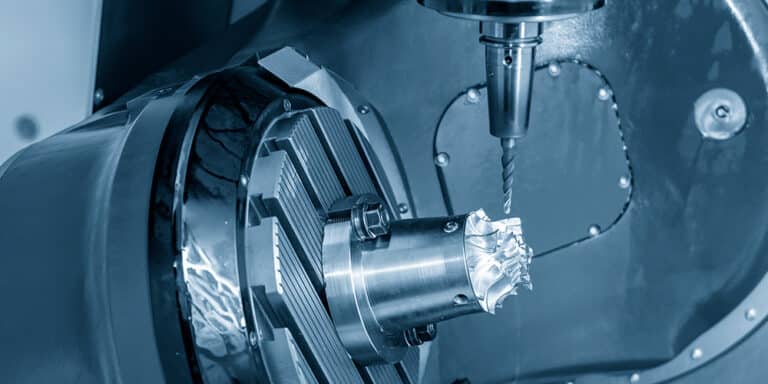
En Fresado CNCel proceso puede parecer sencillo, pero el decisiones tomadas en cada fase de la operación desempeñan un papel crucial en la determinación del éxito del proyecto. Las decisiones que tome pueden afectar significativamente al eficacia, coste, calidady rentabilidad global del proceso de fresado. Veamos por qué es importante cada una de estas decisiones y cómo contribuyen al resultado global.
1. Selección de la máquina
Elegir bien Fresadora CNC es una de las decisiones más fundamentales en el proceso de mecanizado. Fresado CNC Existen varios tipos de máquinas, cada una con características y capacidades distintas que se adaptan a tareas diferentes. Algunos de los tipos más comunes son fresadoras verticales, horizontal fresadorasy Máquinas CNC de 5 ejes.
- Idoneidad del material: Algunas máquinas están diseñadas para manipular materiales específicos. Por ejemplo, una máquina construida para manipular metales duros como el titanio será diferente de uno destinado a materiales más blandos como aluminio o plásticos.
- Tamaño y precisión: El tamaño de la pieza que se va a fabricar también influirá en la selección de la máquina. Las piezas más grandes requieren máquinas con mayor capacidad de desplazamiento, mientras que las piezas más pequeñas pueden necesitar solo una máquina compacta con alta precisión.
- Requisitos de precisión: Algunas piezas requieren tolerancias estrechasy la máquina debe ser capaz de ofrecer la precisión necesaria. Las máquinas diseñadas para aplicaciones de alta precisión garantizará que las piezas cumplan especificaciones rigurosasgarantizando tanto la calidad como la funcionalidad.
Seleccionar la máquina equivocada puede provocar mala calidad de mecanizado, tiempos de ciclo más largosy mayores costes. Es esencial adaptar las capacidades de la máquina a los requisitos del trabajo para obtener los mejores resultados.
2. Selección de herramientas
En herramientas adecuadas para el fresado CNC es clave para conseguir corte velocidades, mayor vida útil de la herramientay mejores acabados superficiales. Las herramientas de corte utilizadas en Fresado CNCcomo fresas, taladrosy escariadorestienen características diferentes que las hacen más o menos adecuadas para tareas específicas.
- Compatibilidad de materiales: Al igual que con máquina selección, el material que se va a mecanizar determina el tipo de herramienta necesaria. Por ejemplo, materiales más duros como acero inoxidable o titanio requieren herramientas más materiales duraderoscomo carburo o acero rápido (FSS). Para materiales más blandosLas herramientas fabricadas con materiales menos costosos pueden ser suficientes.
- Velocidad de corte y desgaste de la herramienta: El tipo de herramienta afecta tanto a velocidad de corte y vida útil de la herramienta. Herramientas recubiertas (por ejemplo TiN o TiAlN recubrimientos) pueden prolongar la vida útil de la herramienta al reducir el desgaste causado por las altas temperaturas y la fricción. La herramienta adecuada permite realizar cortes más rápidos y mejorar la eficiencia, reduciendo el tiempo de inactividad por cambio de herramienta.
- Calidad del acabado superficial: La elección de la geometría y el tamaño adecuados de la herramienta también puede influir en el acabado superficial. Herramientas diseñadas para acabados finos, como fresas de punta esféricaproporcionan cortes más suaves y una calidad de superficie superior.
Si se selecciona la herramienta equivocada, el resultado puede ser acabados superficiales deficientes, herramientas sobrecalentadas o desgastadasy mayor tiempo de mecanizado-todo lo cual repercute negativamente tanto en la calidad como en la rentabilidad.
3. Selección de materiales
El material que elija para la pieza afecta directamente a casi todos los aspectos del Proceso de fresado CNCincluyendo tiempo de mecanizado, desgaste de la herramientay coste total.
- Tiempo de mecanizado: Diferentes materiales requieren diferentes corte velocidades y avances. Materiales más blandoscomo aluminioson generalmente más fáciles de máquinaque requieren menos tiempo y esfuerzo. Por otra parte, materiales más duroscomo titanio o aceros templados, a menudo necesitan más lentitud corte velocidades y herramientas especiales, lo que aumenta el tiempo de mecanizado.
- Desgaste de herramientas: Harder materiales causa mayor desgaste de las herramientasPor el contrario, los materiales más blandos son menos exigentes con las herramientas. Por el contrario, los materiales más blandos son menos exigentes con las herramientas, lo que conlleva menos desgaste y mayor vida útil de la herramienta.
- Consideraciones económicas: Material El coste desempeña un papel fundamental en la economía de un proyecto. Más información en materiales caros pueden requerir máquinas y herramientas especializadas y tiempos de mecanizado más largos, todo lo cual aumenta los costes de producción. Materiales más baratos pueden procesarse con mayor rapidez y facilidad, pero pueden no cumplir los requisitos de resistencia, durabilidad o estética de la pieza.
La decisión de elegir un material implica equilibrar requisitos de rendimiento con limitaciones de costes. Si el material no se elige bien, puede dar lugar a pagar de más para herramientas, mayor tiempo de produccióno piezas acabadas insatisfactorias.
4. Configuraciones y planificación de procesos
Adecuado configuración y planificación de procesos son clave para minimizar tiempo de inactividad y garantizar la máxima calidad en la producción Operaciones de fresado CNC. Esto incluye desde fijación la parte de seleccionar el mecanizado estrategia.
- Fijación: La pieza debe sujetarse firmemente en su sitio durante el mecanizado. En diseño de instalaciones determina la precisión del proceso de mecanizado y minimiza el riesgo de movimiento de la pieza, que podría dar lugar a errores.
- Estrategia de mecanizado: La estrategia para corte el material-incluida la elección de las trayectorias correctas de las herramientas, los parámetros de corte y la secuencia de operaciones- afecta a duración del ciclo y la calidad de la pieza. Por ejemplo, realizar primero los cortes de desbaste y después los de acabado puede optimizar el desgaste de la herramienta y mejorar el acabado superficial.
- Minimizar el tiempo de inactividad: Una configuración bien pensada minimiza los cambios y ajustes innecesarios de herramientas durante la operación. Esto acelera los tiempos de producción y aumenta el rendimiento.
Una planificación eficaz de la instalación garantiza eficacia del proceso y que el máquina funciona a su velocidad óptima, minimizando las interrupciones y tiempo perdido. Una mala configuración o una planificación inadecuada pueden provocar retrasos, aumento del tiempo de inactividad de la máquinay resultados mediocres.
Interconexión de decisiones
Las decisiones relacionadas con selección de máquinas, selección de herramientas, elección del materialy configuraciones están todos interrelacionados. Una mala elección en un área puede provocar ineficiencias y problemas de calidad en otras. Por ejemplo, seleccionar el material para una herramienta específica puede provocar un desgaste más rápido de la herramienta, lo que se traduce en tiempos de ciclo más largos. Del mismo modo, un reglaje inadecuado puede dar lugar a piezas imprecisas que deban ser retocadas o desechadas, lo que aumenta el tiempo y los costes.
Toma de decisiones en el fresado CNC: Factores que afectan al coste y la eficiencia
1. Selección de la máquina: Elección de la fresadora CNC adecuada
La primera decisión crítica en Fresado CNC es seleccionar la máquina adecuada para el trabajo. La decisión suele depender de varios factores:
a) Número de ejes
Comprender el fresado CNC de 3, 4 y 5 ejes
En el mundo de Fresado CNC, el número de ejes que un máquina utiliza determina su capacidad para manejar diferentes geometrías, ángulos y complejidad de las piezas que se fabrican. Cada configuración - 3 ejes, 4 ejesy 5 ejes - ofrecen diferentes niveles de precisión, velocidad y complejidad, y entender cómo funcionan puede ayudar a determinar qué máquina es la más adecuada para una aplicación específica. A continuación se ofrece una explicación detallada de cada configuración y sus respectivas ventajas y retos.
Fresado en 3 ejes:
Fresado en 3 ejes es el tipo más común y básico de Fresadora CNC. Esta máquina funciona sobre tres ejes de movimiento: X, Yy Zque corresponden a las direcciones horizontal (de izquierda a derecha), vertical (arriba y abajo) y de profundidad (adelante y atrás), respectivamente.
Cómo funciona:
- La herramienta se desplaza a lo largo del X (de izquierda a derecha), Y (anverso-reverso), y Z (arriba-abajo) para cortar el material.
- En el fresado de 3 ejes, la pieza suele estar inmóvil, y el herramienta de corte se mueve a lo largo de estos tres ejes para crear las formas requeridas.
Idoneidad:
- Ideal para piezas sencillas y planas o piezas con geometrías sencillas. Por ejemplo, es ideal para fabricar piezas como soportes, carcasas o placas.
- Rentable en comparación con fresadoras más avanzadas, lo que la convierte en la opción preferida de muchos fabricantes, especialmente en sectores en los que las piezas son menos complejas.
Limitaciones:
- Se requieren múltiples configuraciones: Para geometrías complejas o piezas de varias caras, tendrá que reposicionar la pieza de trabajo varias veces, lo que puede dar lugar a desalineación problemas.
- Tiempos de producción más largos: Debido a que debe reposicionar la pieza de trabajo, el máquina tardará más en producir piezas que requieran múltiples ángulos.
- Mayores costes laborales: Más montajes y reposicionamientos aumentan los costes de mano de obra, ya que el maquinista debe intervenir con más frecuencia para alinear la pieza.
Aplicaciones:
- El fresado en 3 ejes se utiliza ampliamente para producir piezas que son relativamente sencillocomo características planas o poco profundas, grabadoy trabajos de fresado ligero que no requieren mecanizado por varias caras.
Fresado en 4 ejes:
Fresado en 4 ejes introduce un eje de rotación adicional, normalmente alrededor del Eje Xpermitiendo que el máquina para girar la pieza y mecanizar varias caras sin tener que reposicionar la pieza manualmente.
Cómo funciona:
- En el fresado en 4 ejes, la herramienta se desplaza a lo largo del X, Yy Z ejes, y la pieza de trabajo también puede girar alrededor del Eje X (el cuarto eje).
- Este movimiento de rotación permite mecanizado. La máquina puede girar la pieza para mecanizar diferentes caras sin necesidad de mover o reposicionar la pieza.
Ventajas:
- Mayor eficacia: Dado que no es necesario reposicionar la pieza, la máquina puede trabajar en varias caras de la pieza sin intervención del operario. Esto reduce tiempo de preparación y errores de reposicionamiento.
- Mayor precisión: La reducción del reposicionamiento mejora la alineación de las piezas, reduciendo el riesgo de desalineación y los defectos causados por los ajustes manuales.
Inconvenientes:
- Coste: Las máquinas de 4 ejes son más caras que Máquinas de 3 ejesTanto en términos de inversión inicial como de costes operativos, debido a la complejidad añadida del eje de rotación.
- Aún limitado para geometrías complejas: Aunque el fresado en 4 ejes permite cierta flexibilidad en el mecanizado de múltiples caras, sigue teniendo limitaciones cuando se trata de piezas que requieren ángulos y precisión que quedan fuera de las capacidades de rotación estándar.
Aplicaciones:
- El fresado en 4 ejes es adecuado para más piezas complejas que el fresado en 3 ejes, como carcasas de engranajes, palas del rotory piezas para automóviles que requieren mecanizado en varias caras o piezas con características circulares o cilíndricas.
Fresado en 5 ejes:
Fresado en 5 ejes es el tipo más avanzado y versátil de Fresado CNC. Añade dos ejes más a la máquina, normalmente en forma de movimiento de rotación alrededor del Eje Y y Eje ZEl mecanizado de la pieza puede realizarse prácticamente en cualquier ángulo.
Cómo funciona:
- Además del X, Yy Z ejes, Máquinas de 5 ejes incluyen dos ejes de rotación adicionales: Eje A (rotación alrededor del eje X) y Eje B (rotación alrededor del eje Y).
- Esto permite inclinar, girar y mover la pieza de trabajo simultáneamente en varias direcciones, lo que permite mecanizado desde múltiples ángulos sin reposicionar la pieza.
Ventajas:
- Mayor precisión y complejidad: El fresado en 5 ejes puede producir piezas extremadamente complejas con múltiples características y geometrías intrincadas. Por ejemplo, puede manipular fácilmente piezas con superficies curvas, formas contorneadasy socava que sería difícil o imposible mecanizar con Máquinas de 3 o 4 ejes.
- Reducción significativa del tiempo de producción: Porque las piezas pueden mecanizarse desde múltiples ángulos sin necesidad de reposicionarlas, Máquinas de 5 ejes reducir el tiempo de mecanizado y aumentar el rendimiento. Esto es especialmente valioso para piezas que requieren tolerancias estrechas o geometrías complejas.
- Acabado superficial de alta calidad: La posibilidad de aproximarse a la pieza desde varios ángulos permite obtener una mejor calidad de acabado superficial, reduciendo la necesidad de postprocesado.proceso de mecanizados como esmerilar o pulir.
Inconvenientes:
- Coste elevado: Las máquinas de 5 ejes son mucho más caras de adquirir y utilizar que las de 3 ó 4 ejes. máquinas. Esto incluye el mayor coste de mantenimiento, utillajey programación.
- Programación compleja: Programación de un Máquina de 5 ejes requiere operarios altamente cualificados y programas informáticos más avanzados, lo que la convierte en una herramienta más técnica y de recursos intensivos proceso.
- Desgaste de la herramienta: La mayor complejidad del mecanizado desde múltiples ángulos puede dar lugar a mayores desgaste de la herramientasobre todo cuando se trata de materiales o formas intrincadas.
Aplicaciones:
- El fresado en 5 ejes se utiliza para piezas muy complejas en industrias que requieren precisión y eficaciacomo aeroespacial, productos sanitariosy automoción industrias. Piezas como palas de turbina, cavidades de molde complejasy prótesis suelen producirse utilizando Fresado CNC de 5 ejes.
Comparación sumaria:
| Característica | Fresado en 3 ejes | Fresado en 4 ejes | Fresado en 5 ejes |
| Ejes de movimiento | X, Y, Z | X, Y, Z + rotación alrededor del eje X | X, Y, Z + rotaciones alrededor de los ejes X, Y y Z |
| Complejidad | Piezas sencillas y planas | Mecanizado de varias caras, complejidad moderada | Mecanizado multiángulo de alta complejidad |
| Eficacia | Moderado (requiere varias configuraciones) | Mayor eficacia, menos configuraciones | Eficacia muy alta, sin necesidad de reposicionamiento |
| Coste | El más barato | Más caro que el de 3 ejes | Opción más cara |
| Aplicaciones | Componentes sencillos, geometrías planas | Piezas cilíndricas de varias caras | Piezas de alta precisión, complejas o en 3D |
| Precisión | Precisión estándar para piezas sencillas | Mayor precisión, especialmente para piezas de varias caras | Alta precisión para geometrías complejas |
- etos a mecanizar en una única configuración.
b) Tamaño de la máquina y capacidad de la pieza
- Para piezas más grandes se necesitan máquinas más grandes. El tamaño de la machine que elija influye tanto en el coste como en la eficacia, ya que las máquinas más grandes suelen tener costes de funcionamiento más elevados y tiempos de preparación más largos.
- Rigidez de la máquina también es un factor a tener en cuenta. Para trabajos pesados mecanizado o piezas de alta precisión, una máquina más rígida minimiza las vibraciones y permite obtener una calidad más constante.
c) Requisitos de velocidad y precisión
- Las máquinas de mayor precisión suelen ser más lentas y caras. Dependiendo de los requisitos de tolerancia de su pieza, es crucial equilibrar la velocidad con la precisión.
- Velocidad del cabezal y velocidad de alimentación también debe tenerse en cuenta a la hora de elegir un máquina. Las velocidades de husillo más altas permiten corte pero pueden desgastar las herramientas más rápidamente.
Ejemplo de decisión:
Un fabricante de componentes aeroespaciales requiere tolerancias y acabados superficiales extremadamente elevados. A Máquina CNC de 5 ejes puede ser necesario, aunque sea más caro, ya que reducirá el tiempo de ciclo y eliminará la necesidad de múltiples configuraciones, que son costosas en términos de mano de obra y utillaje.
2. Selección de herramientas: Equilibrio entre coste y rendimiento
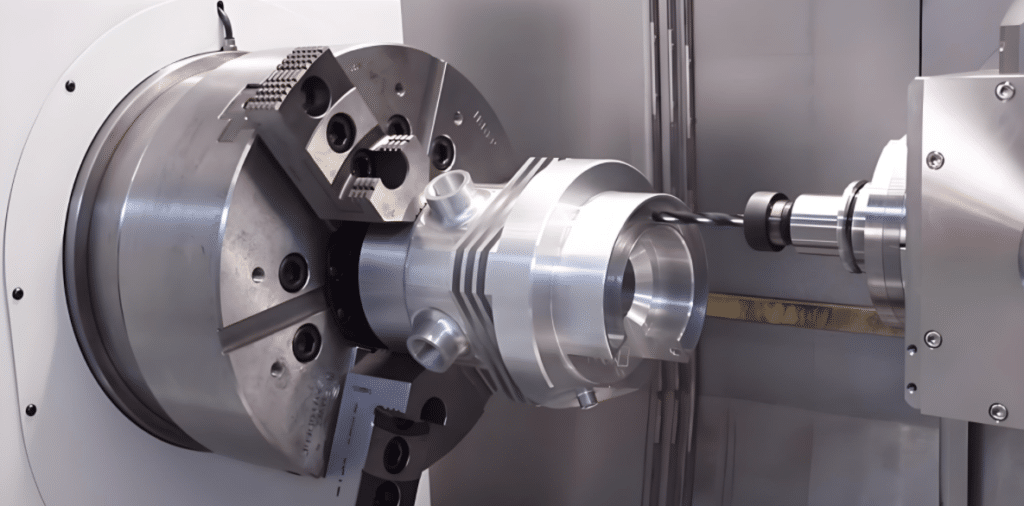
Las herramientas son fundamentales para Fresado CNC rendimiento. La selección de herramientas de corte afecta tanto al acabado superficial y corte eficacia. Los costes de las herramientas varían considerablemente en función del material, el diseño y el revestimiento. Seleccionar la herramienta adecuada también puede minimizar el tiempo de inactividad, aumentar la vida útil de la herramienta y mejorar la calidad de la pieza.
a) Material de la herramienta de corte
- Herramientas de carburo se utilizan habitualmente para el fresado de alto rendimiento, especialmente en materiales como acero inoxidable y titanio. Las herramientas de carburo son más duras y resistentes al desgaste, pero también son más caras.
- Acero rápido (HSS) es más barato y funciona bien para materiales más blandos pero tiene una vida útil más corta en comparación con el metal duro.
b) Recubrimientos y tipos de herramientas
- Herramientas recubiertas (como TiN o TiAlN) reducen la fricción y el desgaste, lo que mejora el rendimiento y la vida útil de las herramientas. Sin embargo, el coste inicial es mayor.
- Herramientas especializadas como fresas de bola o fresas para ranurar son necesarias para tareas específicas, y la selección de la herramienta adecuada es clave para conseguir el acabado superficial y las tolerancias deseadas.
Ejemplo de decisión:
Un comprador OEM necesita fresar acero de alta resistencia para piezas para automóviles. Optar por herramientas de carburo con Revestimientos de TiAlN ayudará a mantener la vida útil de la herramienta presiones de corte, mejorar la eficacia aunque los costes de utillaje sean más elevados.
3. Selección de materiales: Costes y retos
En material tiene un impacto directo en los costes de mecanizado, el tiempo de ciclo y el desgaste de la herramienta. La maquinabilidad del material -su facilidad de corteEl coste global de fabricación viene determinado por la dureza y la resistencia al desgaste.
a) Materiales comunes en el fresado CNC
- Aluminio es uno de los más utilizados materiales porque es ligero, fácil de mecanizar y relativamente barato. También ofrece una buena maquinabilidad, lo que permite ciclos de producción más rápidos.
- Acero se utiliza en una amplia gama de aplicaciones, pero requiere más lentitud. corte velocidades y herramientas más robustas, lo que aumenta tanto el desgaste de las herramientas como el tiempo de producción.
- Titanio es fuerte y resistente a la corrosión, pero es difícil de mecanizar. El alto corte Las fuerzas y el desgaste de las herramientas asociados al mecanizado del titanio pueden elevar los costes de forma significativa.
b) Coste de los materiales y maquinabilidad
- Materiales de alta maquinabilidad como aluminio y latón pueden mecanizarse más rápidamente con menos herramientas, lo que reduce los costes por pieza.
- Materiales más duros como titanio o acero inoxidable pueden requerir velocidades más lentas, máquinas más rígidas y utillaje especializado, lo que aumenta tanto la productividad como la productividad. material y los costes operativos.
Ejemplo de decisión:
Un fabricante que produce soportes aeroespaciales podría optar por aluminiodebido a su equilibrio entre maquinabilidad, coste y relación resistencia-peso. Utilización de titanio aumentaría el coste, ya que exige un mecanizado más lento, más herramientas y mayores costes operativos.
4. Costes de preparación y mano de obra: Minimizar el tiempo de producción
Máquina tiempo de preparación y el complejidad de las operaciones afectan directamente al coste global de Fresado CNC. Las piezas con geometrías complejas o características polifacéticas requieren más configuraciones, lo que puede aumentar los costes de mano de obra y los costes de producción. máquina tiempo.
a) Tiempo de preparación
El tiempo de preparación incluye el tiempo empleado en alinear la máquina, cargar la pieza y configurar las sendas. Cuanto más compleja sea la pieza, más configuraciones serán necesarias. Máquinas multieje (4 ejes, 5 ejes) ayudan a minimizar el tiempo de preparación al permitir el mecanizado de varias caras de una sola vez.
b) Costes laborales
Los costes de mano de obra aumentan cuando los operarios tienen que intervenir con frecuencia debido a cambios de utillaje, realineación de piezas u otros ajustes manuales. Funciones automatizadas como manipulación robotizada de piezas o sondeo en proceso puede reducir estos costes laborales.
Ejemplo de decisión:
Para un dispositivo médico fabricante que produce implantesutilizando un 5 ejes Máquina CNC elimina la necesidad de múltiples configuraciones, reduciendo tanto el tiempo de trabajo como los costes. Aunque la configuración inicial de la máquina puede ser más cara, el ahorro a largo plazo en tiempo y mano de obra compensa los costes.
Errores comunes y cómo evitarlos
1. Pasar por alto el desgaste de las herramientas
El desgaste de las herramientas puede afectar significativamente a la calidad y el coste de las piezas. Si no se tiene en cuenta el desgaste de la herramienta, se puede producir imprecisiones dimensionales, acabados superficiales deficientesy reducción de la vida útil de la herramienta. Esto aumenta tanto material residuos y tiempos de inactividad de las máquinas.
Solución: Control regular del estado de la herramienta, utilizando sistemas de gestión de la vida útil de las herramientasy adoptando mantenimiento predictivo ayudan a evitar este problema.
2. No optimizar los parámetros de corte
Optimización de corte parámetros como corte velocidad, velocidad de alimentacióny profundidad de corte es esencial para conseguir las tolerancias y el acabado superficial deseados. Un reglaje incorrecto puede provocar una acumulación excesiva de calor, una mala evacuación de las virutas y un desgaste prematuro de la herramienta.
Solución: Invertir en corte simulaciones y optimización de la alimentación software para ajustar la configuración de cada material y tipo de pieza.
Contrapartidas, limitaciones y lógica de decisión de los ingenieros
1. Precisión frente a velocidad de producción
Las tolerancias más estrictas y los acabados superficiales más finos suelen dar lugar a una mayor lentitud. corte que aumentan la duración de los ciclos. Los ingenieros deben sopesar el compromiso entre precisión y eficacia.
Lógica de la decisión: Para producción de gran volumenlos ingenieros pueden optar por tolerancias ligeramente más laxas y una mayor rapidez corte para reducir los tiempos de ciclo y los costes de utillaje, siempre que no comprometa la funcionalidad de la pieza.
2. Coste de la herramienta frente a su vida útil
Las herramientas de alto rendimiento, como las plaquitas de metal duro con recubrimientos especiales, ofrecen una mayor vida útil, pero tienen un coste inicial más elevado. Los ingenieros deben tener en cuenta coste total de propiedadLa duración de las herramientas y el coste de las mismas. material se retirarán antes de requerir su sustitución.
Lógica de la decisión: Para mecanizado de grandes volúmenesLos mayores costes iniciales de utillaje suelen justificarse por la mayor vida útil y el menor número de cambios de herramienta.
Conclusiones: Optimización de las decisiones de fresado CNC para minimizar costes y maximizar la calidad
En el fresado CNC, las decisiones tomadas respecto a la selección de la máquina, las herramientas, material y la configuración influyen en el coste global y la calidad del producto final. Al comprender los entresijos de cada fase del proceso -desde la selección inicial del material hasta la inspección final-, los ingenieros y responsables de compras pueden tomar decisiones informadas que equilibren precisión, rapidez y rentabilidad.
Si se tienen en cuenta todos los factores implicados, se identifican las ventajas y desventajas y se optimiza estratégicamente cada paso, los fabricantes pueden reducir costes, mejorar la calidad de las piezas y garantizar la puntualidad de las entregas sin renunciar a la precisión que requiere el proceso de fabricación. Fresado CNC ofertas.
Con estos conocimientos, los ingenieros, los compradores de OEM y los responsables de compras estarán equipados para tomar decisiones más estratégicas y basadas en datos que se ajusten tanto a las metas operativas como a los objetivos financieros.
FAQS
1. Cómo elijo la fresadora CNC adecuada para mi proyecto?
La máquina adecuada depende de la complejidad de la pieza, el material, el volumen y los requisitos de tolerancia. Para piezas sencillas, una máquina de 3 ejes puede ser suficiente, mientras que las geometrías complejas pueden requerir máquinas de 4 o 5 ejes para reducir las configuraciones y mejorar la precisión.
2. ¿Cuáles son los factores clave que afectan a los costes del fresado CNC?
Los principales factores de coste son selección de materiales, tipo de máquina, costes de utillaje, tiempo de preparación, costes laboralesy tiempos de ciclo. Optimizar cada uno de estos factores ayuda a reducir los costes globales de producción.
3. ¿Cómo puedo optimizar el uso de herramientas en el fresado CNC para reducir costes?
Utilizar las herramientas adecuadas para el material, optimizar los parámetros de corte y controlar periódicamente el desgaste de las herramientas puede reducir considerablemente los costes. Invertir en herramientas de alta calidad y larga duración también puede reducir la frecuencia de los cambios de herramienta.
4. ¿Puedo reducir el tiempo de ciclo sin comprometer la calidad?
Sí, la optimización de los parámetros de corte, la elección de la máquina adecuada para la pieza y la selección de herramientas eficientes pueden reducir el tiempo de ciclo sin sacrificar la calidad. La automatización y las máquinas multieje también pueden ayudar a reducir la intervención manual y aumentar la velocidad.
¿Cómo puedo determinar el material más rentable para el fresado CNC?
El material más rentable depende de la función de la pieza, los requisitos de resistencia y la mecanizabilidad. Los materiales más blandos, como el aluminio, son más rápidos y baratos de mecanizar, pero puede que no ofrezcan la resistencia necesaria para aplicaciones específicas.

 English
  简体中文
简体中文  Español
  Deutsch (Sie)
  日本語
日本語  Português