
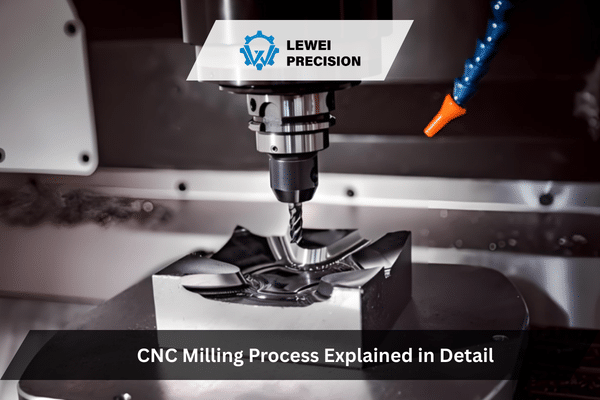
Introducción: El fresado CNC en profundidad
Fresado CNC es uno de los más utilizados y versátiles procesos de mecanizado en la fabricación moderna. Ya sea para crear piezas complejas para la industria aeroespacial, la automoción, los dispositivos médicos o los productos de consumo, Fresado CNC proporciona una precisión y una repetibilidad inigualables. Sin embargo, Fresado CNC es mucho más que un simple corte automatizado: es un proceso complejo y polifacético que requiere un profundo conocimiento de los principios subyacentes, la maquinaria, las herramientas y las limitaciones del mundo real.
Para los ingenieros, compradores de OEM y responsables de compras, comprender Fresado CNC en todo su alcance es crucial para tomar decisiones informadas que equilibren velocidad, coste y calidad. En esta guía detallada, exploraremos todos los aspectos de la Proceso de fresado CNC, de su fundamental mecánica a la lógica de toma de decisiones utilizada en los entornos de producción del mundo real. Al final de este artículo, usted tendrá una comprensión completa de cómo Fresado CNC por qué se toman determinadas decisiones durante el proceso y cómo evitar errores comunes que pueden provocar retrasos en la producción o sobrecostes.
Este artículo va más allá de las definiciones básicas y profundiza en los detalles de cómo funciona el proceso en el taller, cómo los ingenieros y los maquinistas toman decisiones críticas y qué retos pueden surgir durante la producción. mecanizado. Utilizaremos ejemplos prácticos y escenarios de entornos de producción reales para ilustrar los conceptos clave, y usted comprenderá mejor las ventajas y desventajas inherentes a la gestión de la información. Fresado CNC.
¿Qué es el fresado CNC?
Fundamentos del fresado CNC
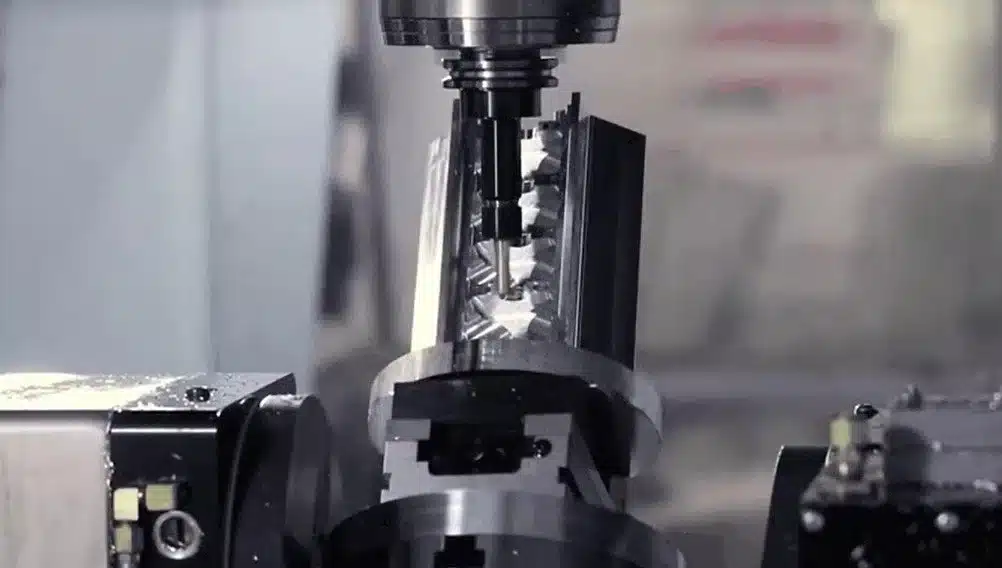
El fresado CNC (Control Numérico por Ordenador) se refiere al proceso de utilizar una herramienta de corte giratoria para eliminar material de una pieza de trabajo para crear una forma o geometría deseada. La herramienta de corte está controlada por un sistema informático, que sigue instrucciones preprogramadas, a menudo en forma de código G, que dictan el movimiento de la herramienta. de la máquina ejes (normalmente X, Y y Z).
Fresadoras CNC pueden funcionar en varios tipos de materiales, incluidos metales (como aluminio, acero, titanio y latón), plásticos y materiales compuestos. Estos materiales se colocan en el de la máquina zona de trabajo, donde se sujetan firmemente, y la máquina corta el material capa a capa según las especificaciones del diseño.
Existen diferentes tipos de Fresadoras CNCcada una de ellas adaptada a un tipo de trabajo específico:
- Fresadoras verticales: Estos máquinas tienen un husillo orientado verticalmente y se suelen utilizar para operaciones de taladrado, mandrinado y refrentado.
- Fresadoras horizontales: Estas máquinas tienen un husillo orientado horizontalmente y suelen utilizarse para piezas más pesadas y grandes que requieren más fuerza de corte.
- Fresadoras de 5 ejes: Estos máquinas puede mover la herramienta o la pieza a lo largo de cinco ejes, lo que permite geometrías más complejas y precisas.
Operaciones clave en el fresado CNC
Fresado CNC puede realizar una amplia gama de operaciones basadas en el tipo de utillaje y mecanizado estrategia utilizada. Algunas de las operaciones más habituales son:
- Frente a: Proceso de eliminación de material de la superficie de la pieza de trabajo para crear una superficie plana.
- Ranurado: Cortar ranuras o hendiduras en el materialque puede utilizarse para diversas funciones mecánicas.
- Perforación: Creación de agujeros o aberturas en la pieza.
- Fresado de contornos: Corte de formas curvas o características complejas en el material.
- Tapping: Creación de roscas en el interior de orificios perforados para elementos de fijación.
- Bolsillo: Eliminación de material de una zona de la pieza para crear una cavidad o cajera.
Cada operación requiere una cuidadosa planificación, selección de herramientas y máquina para lograr los resultados deseados.
El proceso de fresado CNC: Paso a paso
Para entender cómo funciona el fresado CNC en la práctica, es necesario observar el proceso de principio a fin. Los siguientes pasos describen el proceso completo Proceso de fresado CNC se ejecuta en un entorno de fabricación real.
Paso 1: Diseño y modelado CAD
El primer paso en cualquier operación de fresado CNC es el diseño de la pieza. Esto comienza con la creación de un Modelo CAD (diseño asistido por ordenador) de la pieza. El modelo CAD contiene la información geométrica necesaria para máquina la pieza según las especificaciones requeridas, incluidas las dimensiones, los acabados superficiales y las tolerancias.
El proceso de diseño implica trabajar en estrecha colaboración con ingenieros, diseñadores y clientes para garantizar que la pieza cumple todos los requisitos funcionales y estéticos. El modelo CAD sirve de plano para todo el proceso de mecanizado y es fundamental para definir la forma y el tamaño de la pieza.
Paso 2: Programación CAM y generación de sendas
Una vez finalizado el modelo CAD, el siguiente paso es convertir el diseño en máquina-instrucciones legibles mediante CAM (fabricación asistida por ordenador) software. El software CAM genera las sendas, que definen los movimientos específicos de la herramienta de corte durante el proceso de mecanizado. Estas sendas tienen en cuenta el material, velocidades de corte, avances y otros parámetros para optimizar la eficacia y la calidad.
En Código G que genera el software CAM sirve de lenguaje para el Máquina CNC. Los comandos de código G especifican la dirección de movimiento para el ejes de la máquina, los cambios de herramienta, la velocidad del husillo, el avance, etc.
Es importante señalar que simulación de la trayectoria de la herramienta también se realiza en el software CAM antes de pasar a la siguiente fase. Este paso garantiza que la herramienta de corte seguirá la trayectoria correcta, evitando colisiones o choques de la herramienta y confirmando que el diseño puede fabricarse con éxito.
Paso 3: Configuración de la máquina CNC
Una vez que el código G está listo, el Fresadora CNC se coloca. La pieza de trabajo se fija al de la máquina mesa o fijación utilizando abrazaderas o un tornillo de banco, asegurándose de que está firmemente sujeto en su lugar y alineado de acuerdo con las especificaciones del diseño.
Se seleccionan las herramientas necesarias para la operación (fresas, brocas, machos, etc.) y se instalan en el Herramienta de la máquina CNC titular. En de la máquina La velocidad del husillo, el avance y los parámetros de corte se introducen en función de la material y el tipo de operación. También se ajustan los correctores de herramienta para garantizar que la máquina conoce la posición exacta de cada herramienta.
Paso 4: Mecanizado de la pieza
Con todo en su sitio, el Máquina CNC comienza el proceso de fresado. La herramienta de corte se desplaza a lo largo de las trayectorias preprogramadas, eliminando material de la pieza. El de la máquina ajusta con precisión la posición de la herramienta basándose en las instrucciones del código G.
Durante el proceso de mecanizadose controlan constantemente varios parámetros importantes:
- Velocidad del cabezal: La velocidad de rotación de la herramienta de corte, que afecta a la eficacia y la calidad del corte.
- Velocidad de alimentación: Velocidad a la que la herramienta de corte se desplaza por la pieza, lo que afecta a la profundidad de corte y al acabado superficial.
- Profundidad de corte: La cantidad de material eliminado en una pasada de la herramienta, lo que afecta a las fuerzas de corte y al desgaste de la herramienta.
Es posible que el operario tenga que realizar ajustes en tiempo real en función de la información recibida de la máquina o de las comprobaciones de control de calidad.
Paso 5: Control de calidad y mecanizado posterior
Una vez finalizado el proceso de fresado, la pieza se somete a un control de calidad para garantizar que cumple todos los requisitos dimensionales y de acabado superficial. Esto suele implicar el uso de instrumentos de medición de precisión como micrómetros, calibres y MMC (máquinas de medición por coordenadas) para verificar las dimensiones de la pieza.
Si la pieza cumple las especificaciones requeridas, pasa a la siguiente fase de producción (como el montaje o el acabado). En caso contrario, pueden realizarse ajustes en el proceso de mecanizado, el utillaje o la programación, y la pieza puede reelaborarse.
Retos y dificultades del fresado CNC
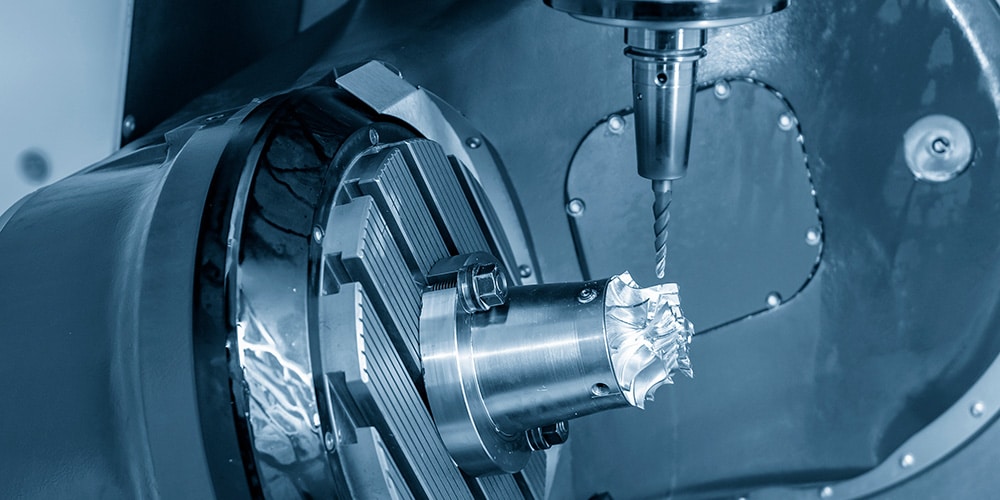
A pesar de sus ventajas, el fresado CNC no está exento de dificultades. Varios errores comunes pueden provocar retrasos, mayores costes y problemas de calidad:
Desgaste y rotura de herramientas
Las herramientas se desgastan inevitablemente con el paso del tiempo debido a las fuerzas que se ejercen durante el corte. Esto puede afectar a la precisión de la pieza, lo que da lugar a imprecisiones dimensionales o a acabados superficiales deficientes. La inspección y la sustitución periódicas de las herramientas son fundamentales para mantener la calidad.
Problemas de calibración de la máquina
Máquinas CNC requieren una calibración periódica para mantener su precisión. Con el paso del tiempo, las máquinas pueden sufrir dilatación térmica, desgaste mecánico u otros factores que pueden afectar a su precisión de posicionamiento. Una calibración inexacta puede dar lugar a piezas que no cumplan con las especificaciones.
Cuestiones importantes
Cierto materiales son más difíciles de mecanizar que otros. Los materiales más duros, como el titanio o el Inconel, pueden provocar un rápido desgaste de las herramientas, mientras que los más blandos materiales puede dar lugar a acabados superficiales deficientes o a inconsistencias dimensionales. La selección de las herramientas de corte adecuadas y el ajuste de parámetros como la velocidad del husillo y la velocidad de avance son fundamentales para obtener un resultado óptimo mecanizado.
Geometrías complejas y acceso de las herramientas
Las piezas complejas con cavidades profundas, paredes delgadas o detalles intrincados pueden suponer un reto a la hora de máquina. El acceso a las herramientas puede verse limitado en determinadas zonas, lo que requiere herramientas especializadas o sistemas multieje máquinas. En algunos casos, puede ser necesario recurrir a operaciones adicionales, como el mecanizado por descarga eléctrica (EDM) o el rectificado, para conseguir la geometría final.
El error humano en la programación
En Máquinas CNC Aunque los procesos están automatizados, un error humano en la fase de programación puede tener consecuencias catastróficas. Problemas como desplazamientos de herramienta incorrectos, parámetros de corte erróneos o trayectorias de herramienta mal generadas pueden provocar colisiones de la máquina, rotura de herramientas o desperdicio de material. Una programación y una simulación minuciosas son esenciales para minimizar estos riesgos.
Lógica de decisión en el fresado CNC: equilibrio entre calidad, velocidad y coste
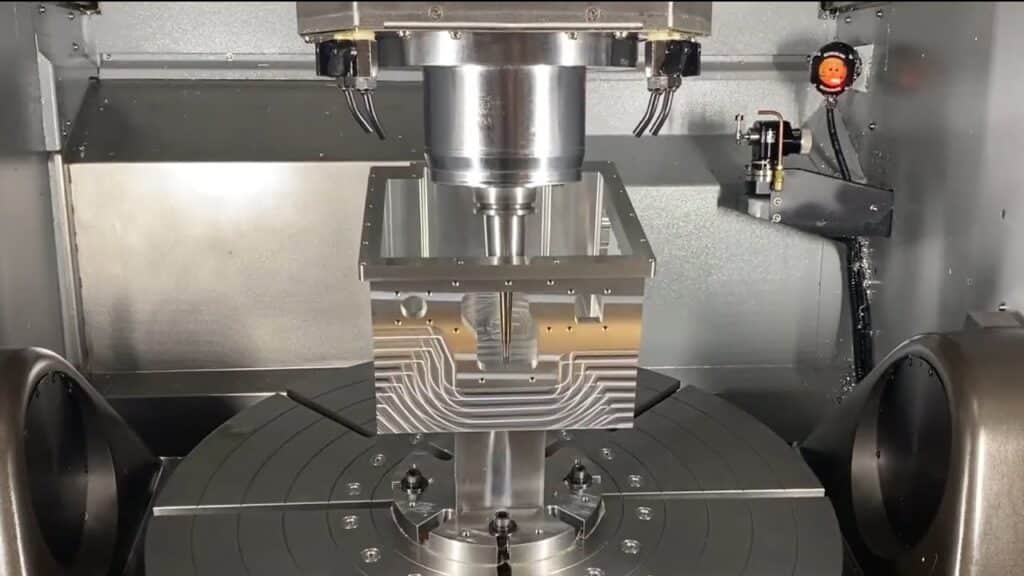
El proceso de toma de decisiones en el fresado CNC implica sopesar cuidadosamente varios factores contrapuestos:
- Calidad: Las tolerancias más ajustadas y los acabados superficiales más lisos suelen requerir velocidades de corte más bajas, herramientas de mayor calidad y una mayor frecuencia de máquina cheques.
- Velocidad: Los ciclos de producción más rápidos exigen mayores velocidades de avance y de corte, pero esto puede ir en detrimento de la calidad, sobre todo cuando se trata de materiales difíciles materiales.
- Coste: Las herramientas, la puesta a punto de la máquina y la mano de obra influyen en el coste de Fresado CNC. Optimizar las trayectorias de las herramientas, reducir al mínimo el tiempo de preparación y seleccionar las herramientas adecuadas son formas de controlar los costes sin renunciar a la calidad.
Los ingenieros y los responsables de compras deben saber cómo encontrar el equilibrio adecuado en función de los requisitos específicos de cada proyecto. Por ejemplo, los trabajos de bajo volumen y alta precisión pueden justificar el tiempo de preparación adicional y los costes asociados al fresado CNC, mientras que los trabajos de gran volumen y baja tolerancia pueden requerir soluciones más automatizadas y rentables.
Conclusión
Fresado CNC es un proceso de mecanizado muy versátil y preciso que desempeña un papel fundamental en la fabricación moderna. Al comprender el proceso desde el diseño hasta la ejecución, los ingenieros y los responsables de compras pueden tomar mejores decisiones que optimicen tanto la calidad como los costes. Aunque Fresado CNC Aunque ofrece numerosas ventajas, es fundamental comprender sus limitaciones y retos, así como la lógica de toma de decisiones que guía el proceso de mecanizado.
Gracias a esta guía detallada, ahora dispones de un conocimiento exhaustivo del fresado CNC, desde los conceptos básicos de máquina desde los aspectos básicos hasta las complejidades de la optimización de procesos y el control de calidad. Estos conocimientos te ayudarán a enfrentarte a las complejidades del fresado CNC y a tomar decisiones fundamentadas en función de tus necesidades de producción.
Preguntas más frecuentes (FAQ)
¿Cuál es la principal diferencia entre el fresado CNC y el torneado CNC?
El fresado CNC se utiliza para crear formas y contornos complejos mediante la rotación de la herramienta de corte y el desplazamiento de la pieza de trabajo en varios ejes. El torneado CNC, por su parte, utiliza una pieza de trabajo giratoria y una herramienta de corte fija para eliminar material. El fresado es más adecuado para piezas con geometrías planas o complejas, mientras que el torneado es ideal para formas cilíndricas.
¿Cómo elijo la fresadora CNC adecuada para mi proyecto?
La elección de la fresadora CNC adecuada depende de varios factores, entre los que se incluyen el material que se va a mecanizar, la complejidad de la pieza, las tolerancias requeridas y el volumen de producción. Las fresadoras verticales suelen utilizarse para tareas más sencillas, mientras que las fresadoras horizontales y de 5 ejes se emplean para piezas más complejas o de mayor tamaño. Consulte con expertos en mecanizado para seleccionar el equipo adecuado a sus necesidades.
¿Cuáles son los principales factores que influyen en la precisión del fresado CNC?
La precisión del fresado CNC depende de varios factores, entre los que se incluyen la calibración de la máquina, el desgaste de las herramientas, las propiedades del material, los parámetros de corte (velocidad de avance, velocidad del husillo, profundidad de corte) y la rigidez de la máquina. Un mantenimiento regular, una programación precisa y el uso de herramientas adecuadas pueden ayudar a mantener un alto nivel de precisión.
¿Cómo puedo evitar el desgaste de las herramientas en el fresado CNC?
El desgaste de las herramientas puede minimizarse seleccionando las herramientas adecuadas para el material, ajustando los parámetros de corte, como la velocidad y el avance, utilizando un sistema de refrigeración o lubricación adecuado y supervisando periódicamente el estado de las herramientas. Las herramientas deben sustituirse ante el primer signo de desgaste para evitar problemas de calidad.
¿Se puede utilizar el fresado CNC para la creación de prototipos?
Sí, el fresado CNC se utiliza habitualmente para la creación de prototipos, sobre todo para piezas que requieren una alta precisión o geometrías complejas. El fresado CNC permite realizar iteraciones y pruebas rápidas de los diseños, lo que lo convierte en una opción excelente para la creación rápida de prototipos en sectores como el automovilístico, el aeroespacial y el de los dispositivos médicos.

 English
  简体中文
简体中文  Español
  Deutsch (Sie)
  日本語
日本語  Português