
Introducción
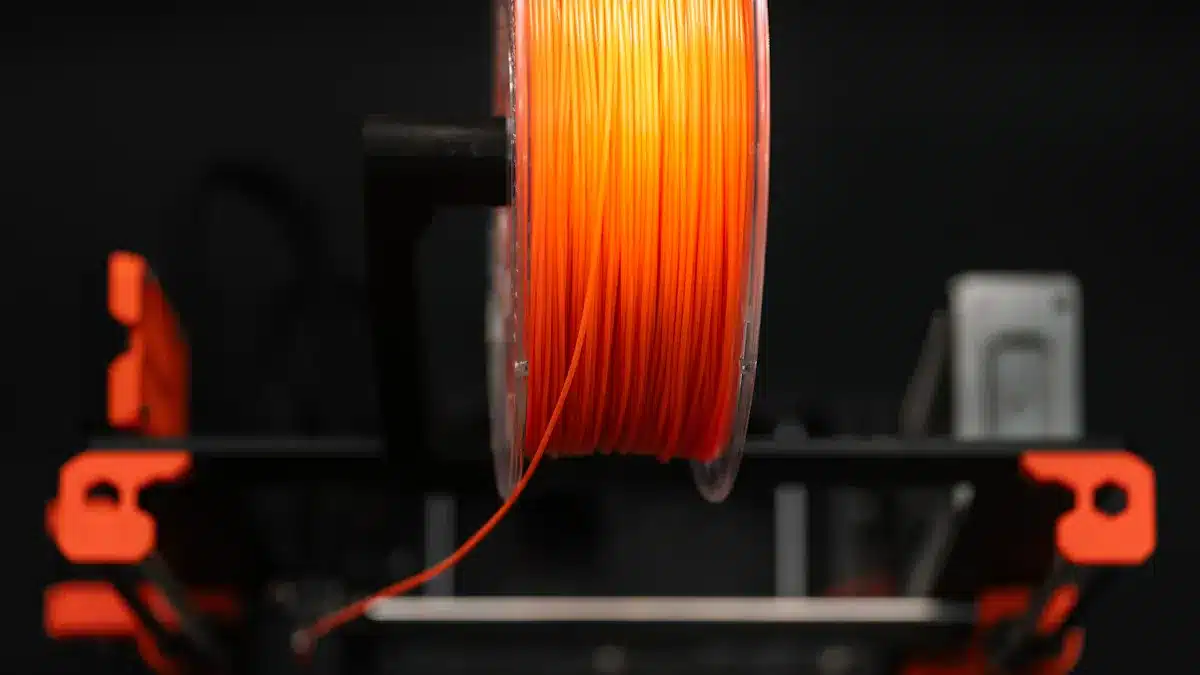
¿Sus piezas impresas en 3D se rompen con demasiada facilidad? Necesita filamentos más resistentes para fabricar piezas duraderas. En El filamento más resistente para impresoras 3D pueden realizar trabajos duros, como en coches o aviones.
En este artículo, conocerás los mejores filamentos resistentes. Explicamos qué los hace fuertes, cómo elegir uno y consejos para evitar errores. Tendrás ejemplos reales y comparaciones que te ayudarán a decidirte.
¿Por qué es importante? Las impresiones resistentes ahorran tiempo y dinero. Funcionan bien en la vida real, desde juguetes hasta herramientas. Si quiere piezas metálicas aún más resistentes, consulte nuestro servicio de mecanizado CNC. Nuestro servicio de mecanizado CNC ayuda a realizar trabajos precisos en sectores como el aeroespacial y la automoción. Ahora, entremos en materia.
¿Qué significa "más fuerte" para un filamento de impresora 3D?
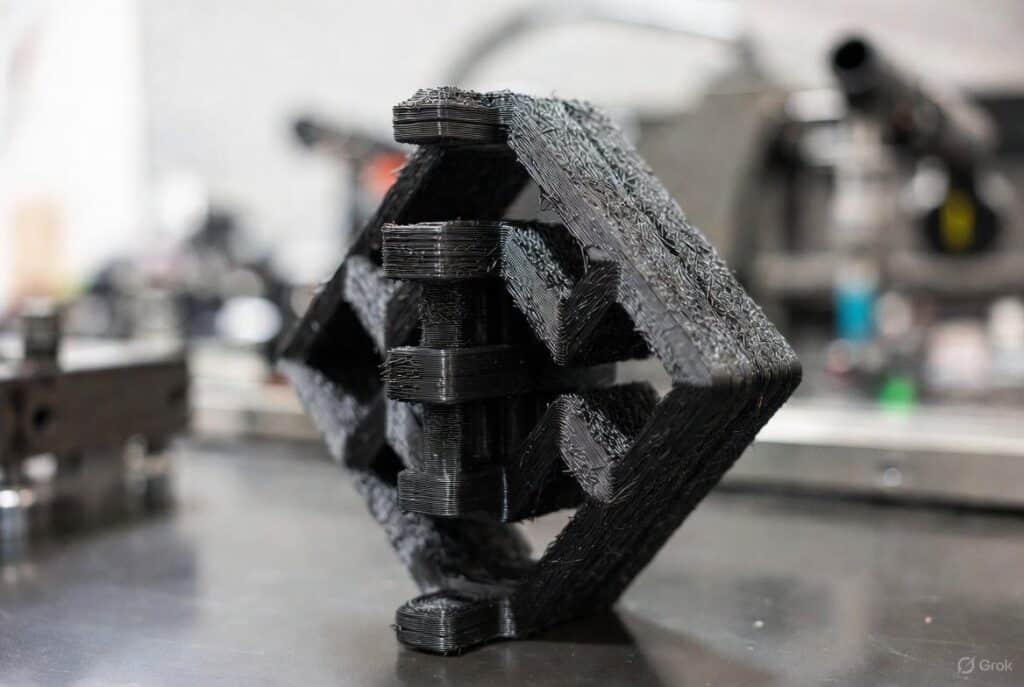
La fuerza en la impresión 3D no es sólo una cosa. Depende de cómo la pieza maneje la fuerza. Tienes que pensar en las necesidades de tu proyecto.
Explicación de la resistencia a la tracción
La resistencia a la tracción indica cuánta tracción puede soportar un material antes de romperse. Se mide en MPa, o megapascales. Los números más altos significan una mayor resistencia a la tracción.
Por ejemplo, piense en tirar de una goma elástica hasta que se rompa. En las impresiones 3D, esto ayuda a las piezas que se estiran o cuelgan. ¿Por qué preocuparse? Evita que tus piezas fallen por el peso.
Fundamentos de la resistencia a los impactos
La resistencia a los impactos consiste en soportar golpes repentinos sin agrietarse. Mide cuánta energía absorbe el material. Unidades como J/m lo indican.
Imagina que se te cae una funda de teléfono. Una buena resistencia a los impactos protege lo que hay dentro. ¿Cómo funciona? El material se dobla o flexiona en lugar de romperse.
Otros factores clave
La resistencia a la flexión se ocupa de la flexión. La resistencia a la compresión se encarga del aplastamiento. La resistencia al calor mantiene la forma en los puntos calientes.
La resistencia química combate aceites o ácidos. ¿Por qué incluirlas? Su pieza puede estar sometida a muchas tensiones. Elija en función de todos los factores para obtener los mejores resultados.
Los filamentos más resistentes para impresoras 3D
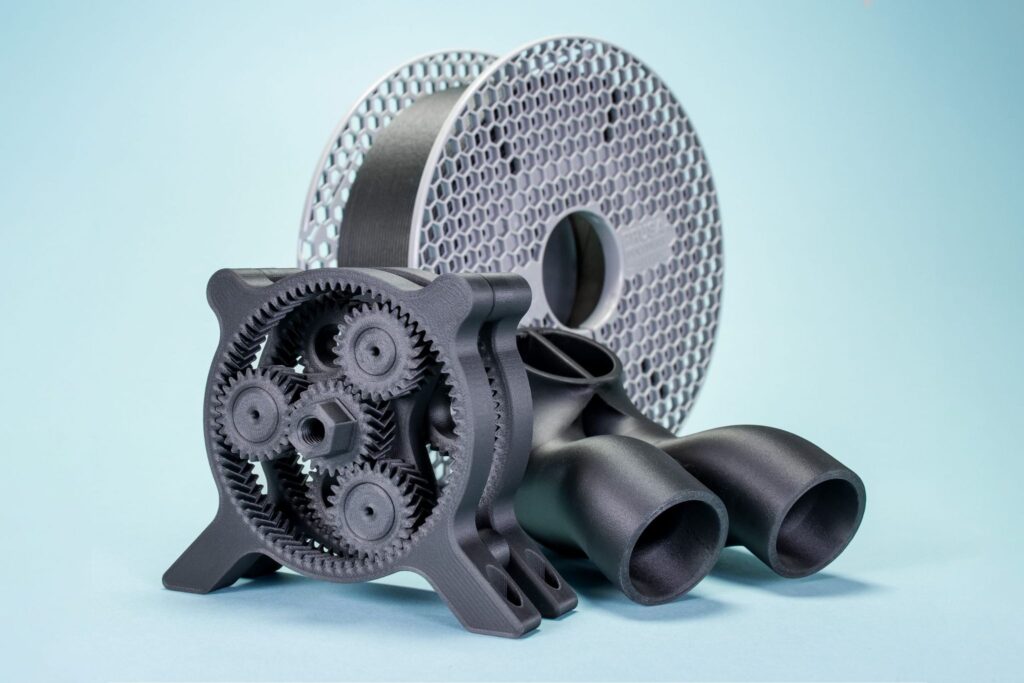
Muchos filamentos afirman ser resistentes. Analizamos los mejores. Cada uno tiene ventajas únicas para diferentes usos.
Policarbonato (PC)
El PC es resistente y transparente. Tiene una resistencia a la tracción de unos 68 MPa. Brilla por su resistencia al impacto.
Se utiliza para cascos o cristales antibalas. Ventajas: Alta tolerancia al calor, hasta 140°C. Contras: Necesita un lecho de impresión caliente.
Nylon (PA)
El nailon ofrece flexibilidad y resistencia. Su resistencia a la tracción alcanza los 60-70 MPa. Resiste bien el desgaste.
Piensa en engranajes o correas. Ventajas: Bueno para piezas móviles. Contras: Absorbe el agua, así que sécalo primero.
Poliuretano termoplástico (TPU)
El TPU es similar al caucho y flexible. Su resistencia a la tracción es de unos 50 MPa. Destaca en la absorción de impactos.
Úsalo para fundas de teléfono o zapatos. Ventajas: Se estira sin romperse. Contras: Imprime despacio para evitar atascos.
Filamentos reforzados con fibra de carbono
Estos mezclan carbono con nailon u otros. La resistencia a la tracción alcanza los 70-90 MPa. Son ligeros pero rígidos.
Genial para monturas de drones. Ventajas: Resistente como el metal. Contras: Las boquillas se desgastan rápidamente.
Polieterimida (PEI o Ultem)
El PEI es para calor extremo. Ultem 1010 tiene una resistencia a la tracción de 103 MPa. El impacto es de 80-95 J/m.
Utilizado en aviones de empresas como Boeing. Ventajas: Resistente a las llamas. Contras: Muy costoso.
Poliéter éter cetona (PEEK)
El PEEK encabeza la lista en cuanto a resistencia. Su resistencia a la tracción es de 80-100 MPa. Soporta un calor de 250 °C.
Ideal para implantes médicos. Ventajas: A prueba de productos químicos. Contras: Necesita impresoras especiales.
Tereftalato de polietileno glicol (PETG)
El PETG equilibra resistencia y facilidad. Resistencia a la tracción en torno a 50-60 MPa. Mejor impacto que el PLA.
Para botellas o protectores. Ventajas: Apto para alimentos. Contras: Cuerdas durante la impresión.
Acrilonitrilo butadieno estireno (ABS)
El ABS es resistente para el uso diario. Resistencia a la tracción de unos 40 MPa. Bueno para el impacto.
Como los ladrillos de Lego. Ventajas: Barato. Contras: Se deforma con el calor.
Tabla comparativa de filamentos fuertes
| Filamento | Resistencia a la tracción (MPa) | Resistencia al impacto (J/m) | Resistencia al calor (°C) | Coste por kg ($) | Lo mejor para |
| PC | 68 | Alta | 140 | 40-60 | Piezas de impacto |
| Nylon | 60-70 | 140-155 | 120-150 | 30-50 | Engranajes flexibles |
| TPU | 50 | Muy alta | 80 | 30-40 | Artículos de goma |
| Nylon CF | 70-90 | 124 | 150-180 | 50-80 | Monturas ligeras |
| PEI | 89-103 | 80-120 | 186-217 | 100-200 | Aeroespacial |
| PEEK | 80-100 | 140 (kJ/m² convertido) | 250 | 200-300 | Médico |
| PETG | 50-60 | Medio-Alto | 80 | 20-30 | Todos los días |
| ABS | 40 | Medio | 100 | 15-25 | Juguetes |
Cómo elegir el filamento más resistente para sus necesidades
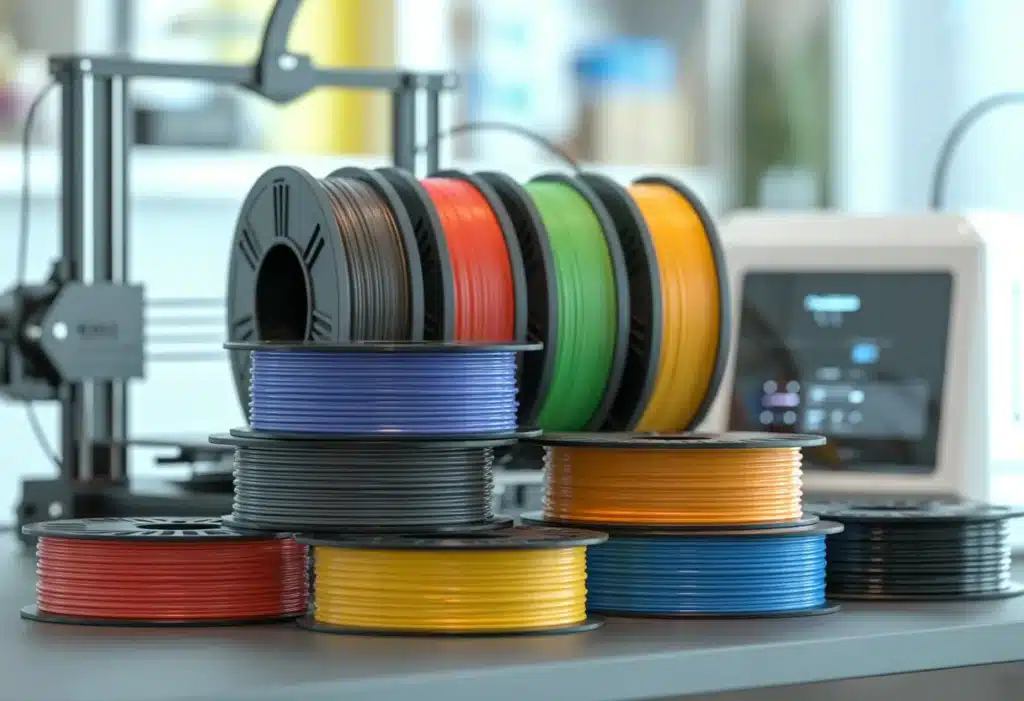
Elegir el adecuado es clave. Piense en las exigencias de su proyecto. Pregúntese: ¿A qué fuerza se enfrentará?
Considere su solicitud
Para tirones, elija alta resistencia a la tracción como PEEK. Para golpes, TPU o nailon CF. ¿En puntos calientes? El PEI funciona.
Equilibrio entre resistencia e imprimibilidad
Los filamentos fuertes pueden ser difíciles de imprimir. Comprueba los límites de tu impresora. Empieza con los más fáciles, como el PETG.
Factor coste y disponibilidad
Las opciones baratas como el ABS son adecuadas para principiantes. Deja el PEEK para los profesionales. ¿Por qué? Cuesta más pero dura más.
Pruebe primero las impresiones pequeñas
Imprime una pieza de prueba. Compruebe su resistencia. Ajuste la configuración para obtener la mejor resistencia.
Errores comunes que hay que evitar con los filamentos fuertes
No se precipite. Evita estos errores para obtener mejores resultados.
- Ignorar la humedad: El filamento húmedo imprime débil. Séquelo siempre.
- Ajustes incorrectos: Una velocidad demasiado rápida hace que las capas se dividan.
- Sin cerramiento: El aire libre enfría de forma desigual. Utiliza una caja para que el calor sea uniforme.
- Saltarse los apoyos: Los voladizos fallan sin ayuda.
- Olvidar el tratamiento posterior: Lijar o recocido para mayor resistencia.
Guía paso a paso para imprimir con filamentos resistentes
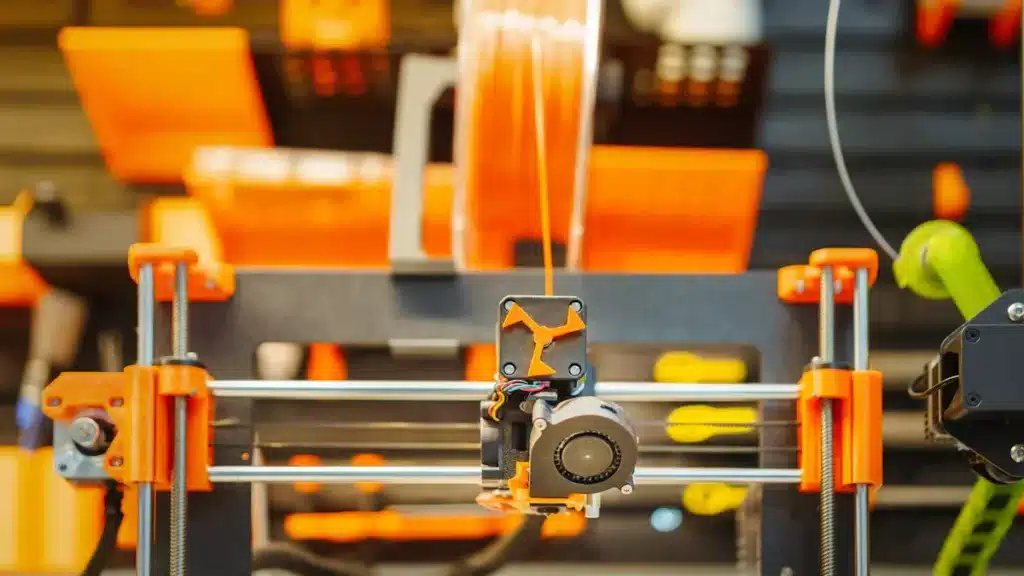
Sigue estos pasos para tener éxito.
- Elige tu filamento y sécalo.
- Ajustar impresora: Cama caliente, boquilla temp derecha.
- Calibrar: Nivelar lecho, comprobar flujo.
- Impresión lenta: mejor unión de capas.
- Enfriar lentamente: Evita las deformaciones.
- Desmontar y probar: Comprobar si hay desperfectos.
Desglose de costes de los filamentos fuertes
Los costes varían según el tipo. Básico como ABS: $15-25/kg. Medio, como el nailon: $30-50/kg.
PEEK de gama alta: $200-300/kg. ¿A qué se debe esta diferencia? Materiales y procesamiento poco comunes.
Factor de desperdicio: Las impresiones difíciles utilizan menos reintentos. En 2025, los precios bajaron 10% por una mejor oferta.
[Sugerir imagen/infografía: Gráfico circular de los costes de los filamentos resistentes].
Aplicaciones en industrias clave
Los filamentos fuertes brillan en el trabajo real.
Industria aeroespacial
El PEI fabrica piezas ligeras y resistentes al calor. Boeing lo utiliza para conductos. Enlace a nuestro servicio CNC aeroespacial para refuerzos metálicos.
Sector del automóvil
Nylon CF para parachoques o soportes. Tesla los somete a pruebas de resistencia. Nuestros productos Servicios de mecanizado CNC ayuda con los prototipos.
Ámbito médico
PEEK para implantes. Iguala la resistencia ósea. Los hospitales confían en él.
Bienes de consumo
TPU para fundas duraderas. Los accesorios de Apple utilizan un material similar.
Consejos profesionales de expertos
Consejo profesional: Recuece las impresiones en un horno para 20% más resistencia. Realinea las moléculas.
Consejos de expertos: Utilice boquillas de latón para materiales compuestos. Duran más.
Consejo profesional: Mezcla filamentos para una resistencia personalizada. Como base de nylon con adición de carbono.
Estudios de casos reales
En 2024, una empresa de drones cambió al nailon CF. Las piezas duraron 3 veces más en caso de accidente.
Una empresa médica utilizó PEEK para herramientas. Redujo las roturas en 40%, según un estudio de 2025.
Un taller de automóviles imprimió plantillas de PETG. Ahorró $500 mensuales en compras.
Principales conclusiones
- La resistencia varía: Tracción para tirar, impacto para golpear.
- Las mejores opciones: PEEK y PEI para extremos.
- Comparar con tablas para selecciones rápidas.
- Evite errores como el filamento húmedo.
- Pruebe y ajuste para obtener los mejores resultados.
- Los costes aumentan con el rendimiento.
- Utilícelo en industrias como la aeroespacial para obtener beneficios reales.
Conclusión
Ahora ya sabes cuál es el Impresora 3D filamentos y cómo utilizarlos. Desde PC para impactos hasta PEEK para calor, las opciones se adaptan a sus necesidades. Recuerde hacer pruebas y evitar los errores más comunes.
Las impresiones resistentes hacen que sus proyectos sean fiables. Abren puertas en sectores como el aeroespacial y la automoción.
Preguntas frecuentes
¿Cuál es el filamento más resistente para impresoras 3D?
Las tapas PEEK tienen una resistencia a la tracción de 80-100 MPa. Soporta mejor el calor y los productos químicos. Ideal para aplicaciones médicas o aeroespaciales. Pero necesita una impresora profesional.
¿En qué se diferencia la resistencia a la tracción de la resistencia al impacto?
La tracción es la resistencia a la tracción antes de la rotura. Impacto es la absorción de impactos sin rotura. Elija en función del tipo de tensión de su pieza.
¿Merece la pena pagar más por el filamento de fibra de carbono?
Sí, para piezas ligeras y resistentes. Aumenta la rigidez 2 veces más que el nailon normal. Ideal para drones o herramientas. Pero use boquillas endurecidas.
¿Puedo utilizar filamentos resistentes en una impresora básica?
Algunos, como el PETG, sí. Otros, como el PEEK, necesitan altas temperaturas y carcasas. Empiece por lo sencillo y vaya mejorando.
¿Qué sectores se benefician más de los filamentos 3D resistentes?
Aeroespacial para piezas resistentes al calor, automoción para prototipos duraderos, medicina para artículos biocompatibles. Nuestro servicio CNC los complementa.

 English
  简体中文
简体中文  Español
  Deutsch (Sie)
  日本語
日本語  Português