 Zum Inhalt springen
Kundenspezifische Spritzgießdienstleistungen
- T1 samples as fast as 2 weeks for faster validation and approvals
- Certified quality systems: ISO 9001:2015 | ISO 13485 | ISO 14001 | IATF 16949
- High-repeatability production for consistent parts across every run


Mit unseren fachkundigen Prototyping-Dienstleistungen können Sie Ihre Produktideen schnell und präzise zum Leben erwecken.
Injection Molding Process Capabilities
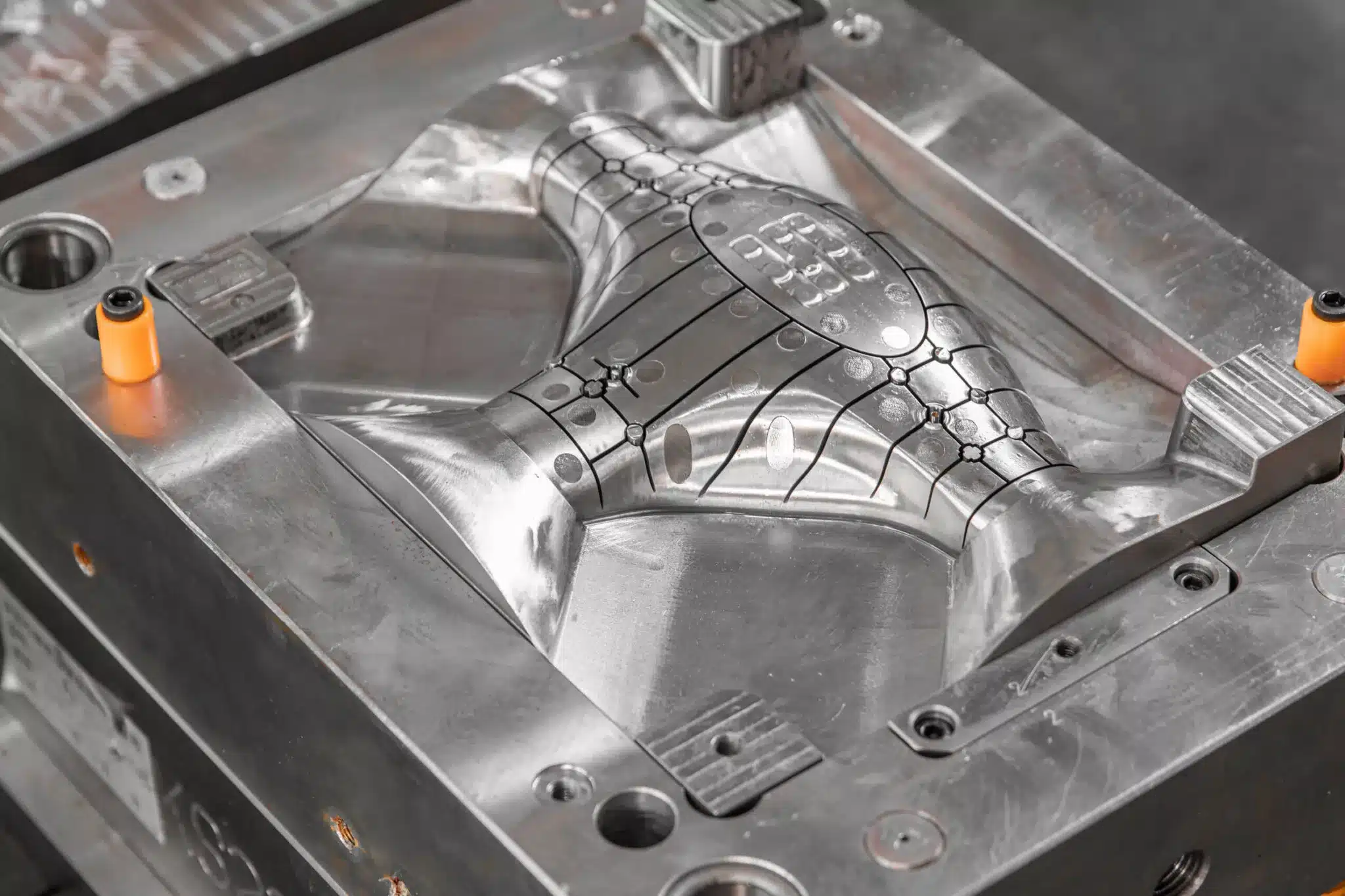
Standard injection molding for thermoplastic components, delivering high repeatability, consistent part geometry, and reliable surface quality for production-grade plastic parts.
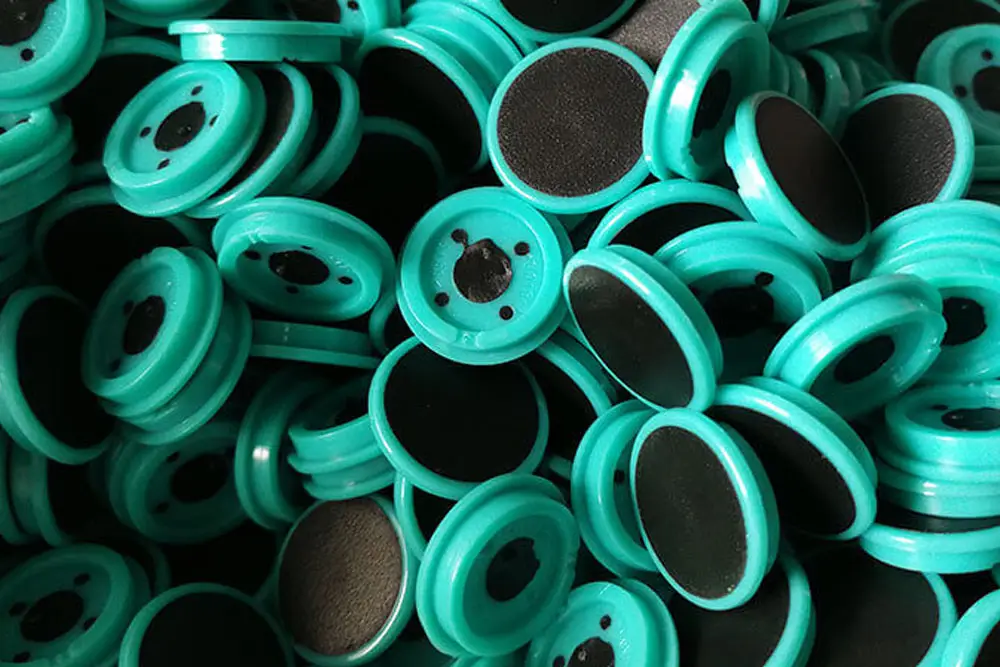
Multi-material injection molding that bonds different materials into a single part, commonly used for enhanced grip, insulation, sealing, or improved aesthetics.tomizable color and texture options.
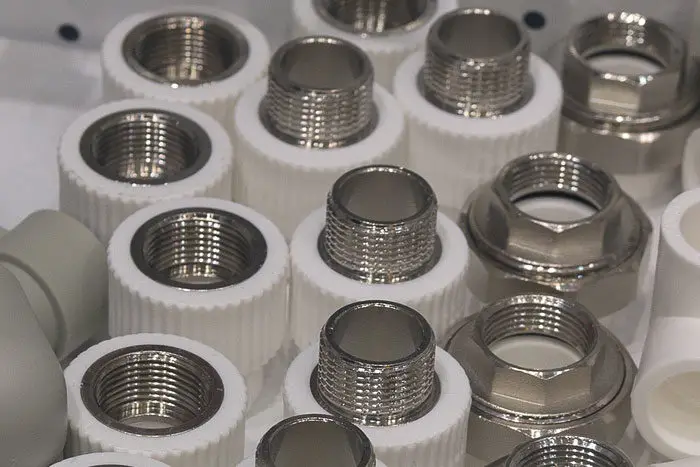
A specialized injection molding process that integrates metal or threaded inserts directly into plastic parts, improving structural strength and reducing post-assembly requirements.
Unser Netzwerk für Spritzgussfertigung
Das ausgedehnte Netzwerk von Lewei Precision mit mehr als 50 hochmodernen Maschinen, die ein Gewicht von bis zu 830 Tonnen bewältigen können, ermöglicht die effiziente Abwicklung von Projekten vom Prototyp bis zur Großserie. Jedes Projekt beginnt mit einem umfassenden Kostenvoranschlag für Spritzgießwerkzeuge, um die Erwartungen klar zu definieren. Unsere fachkundigen Projektmanager bieten detaillierte Fertigungsanalysen und beratende Konstruktionsdienste, um Kosteneffizienz und Funktionalität zu verbessern.


Materialien für das Spritzgießen


ABS
Tough, impact-resistant plastic for housings and consumer components.
Klassen
General Purpose ABS
High-Impact ABS
Flame-Retardant ABS
Polypropylen
Lightweight plastic with excellent fatigue resistance for snap-fit parts.
Klassen
PP Homopolymer
PP Copolymer
Polyethylene
Flexible and chemically resistant plastic for containers and functional parts.
Klassen
HDPE
LDPE
Polycarbonat
High impact strength and heat resistance for structural plastic components.
Klassen
Clear PC
Flame-Retardant PC
Nylon
Strong and wear-resistant plastic for mechanical and load-bearing parts.
Klassen
PA6
PA66
Glasgefülltes Nylon
POM
Low friction and high dimensional stability for precision molded parts.
Klassen
POM-H
POM-C
PBT
Dimensional stability and electrical insulation for automotive and electronic parts.
Klassen
Glass-Filled PBT
TPU
Flexible elastomer for seals, grips, and soft-touch components.
Klassen
TPU Shore A
Oberflächenbeschaffenheit von Spritzgussformen
Lewei Precision offers a wide range of surface finish options as part of our injection molding services, helping you achieve the right balance of appearance, functionality, and cost. From high-gloss cosmetic finishes to textured and non-cosmetic options, our surface finishes are selected to match your part’s application, performance requirements, and end-use environment.

A mirror-like, polished finish achieved through diamond buffing. Ideal for cosmetic and consumer-facing parts where visual quality and smoothness are critical.

A clean, professional finish created using fine grit paper. This option minimizes visible tool marks and is commonly used for housings, enclosures, and premium industrial parts.

A cost-effective stone-finished surface that provides a uniform, low-sheen appearance. Suitable for general-purpose injection molded parts where aesthetics are secondary.

A matte or textured finish with visible tooling marks, often used for industrial or non-cosmetic parts where grip, reduced glare, or functional surfaces are required.

Most tool marks are removed, delivering a practical balance between appearance and cost. Commonly used for internal or lightly visible components.

Laser engraving, mold texturing, and custom markings can be applied directly during the injection molding process for branding, identification, or functional surface requirements.
Toleranzen für die CNC-Bearbeitung
Eigenschaften | Beschreibung |
Maximale Teilegröße | 1200 × 1000 × 500 mm |
Mindestteilgröße | 5 × 5 × 5 mm |
Wiederholbarkeit von Teil zu Teil | ±0,1 mm |
Formhohlräume | Einzelkavitäten, Mehrfachkavitäten, Familienformen |
Verfügbare Formtypen | Formen aus Stahl und Aluminium, geeignet für verschiedene Produktionsstufen |
Produktionsebenen | Weniger als 1000, 5000, 30000 und mehr als 100000 Einheiten |
Toleranzen für Formhohlräume | ±0,02 mm |
Sekundäre Operationen | Formtexturierung, Tampondruck, Lasergravur, Gewindeeinsätze und Montage |
Unterschneidet | Y-Typ, L-Typ Hinterschneidungen |
Wanddicke | 0,5 mm bis 5 mm |
Entwurf | 0,5° bis 2° |
Rippen/Zwickel | 0,5 mm bis 3 mm dick |
Chefs | Durchmesser 3 mm bis 10 mm |
Vorlaufzeit | Die meisten Aufträge werden innerhalb von 15 Arbeitstagen erledigt |
Konstruktionsrichtlinien für die CNC-Bearbeitung
Eigenschaften | Beschreibung |
Wanddicke | Eine gleichmäßige Dicke von 1,5 mm bis 3 mm wird empfohlen. Übermäßig dicke oder dünne Wände sind zu vermeiden, um ein Verziehen zu verhindern. |
Radien und Ecken | Mindestradius von 0,5 mm für Innenecken. Vermeiden Sie scharfe Ecken, um Spannungspunkte zu reduzieren und die Entformung zu erleichtern. |
Entwurfswinkel | An senkrechten Wänden wird ein Anstellwinkel von 1° bis 2° empfohlen, um einen gleichmäßigen Auswurf der Teile zu gewährleisten. |
Unterschneidet | Verwenden Sie seitliche Aktionen oder Heber, um Hinterschneidungen auszugleichen. Für Teile mit Hinterschneidungen ist ein geeignetes Werkzeugdesign erforderlich. |
Toleranzen | Standardtoleranz von ±0,1 mm. Für engere Toleranzen (±0,01 mm) sind spezielle Formen erforderlich. |
Text und Logos | Mindestgravurtiefe von 0,1 mm und Breite von 0,5 mm. Für die Erstellung von Texten/Logos werden CNC-Gravuren oder Lasermarkierungen verwendet. |
Löcher und Merkmale | Mindestlochdurchmesser von 1,5 mm. Für Löcher größer als 5 mm werden Einsätze oder Kernstifte empfohlen. |
Trennungslinie und Tor | Anschnitte sollten so platziert werden, dass Defekte minimiert werden, und Trennlinien sollten in nicht sichtbaren Bereichen platziert werden. |
Auswahl des Materials | Wählen Sie je nach Verwendungszweck des Teils geeignete Materialien wie ABS, Polycarbonat oder Nylon. |

Leitfaden für das Spritzgießen
Quality Control in Injection Molding Services


At Lewei Precision, quality is built into every stage of our injection molding services, starting from pre-production planning through final delivery. Each project begins with detailed pre-production mold inspection to verify tooling accuracy and readiness before sampling or production. During molding, in-process quality monitoring ensures critical parameters such as temperature, pressure, and cycle consistency remain within controlled limits, delivering stable, repeatable results for every plastic component.
After production, all parts undergo final inspection that includes dimensional verification, visual checks, and documented reporting to confirm compliance with specifications. To support transparency and reliability, full traceability is maintained through material certifications, inspection records, and quality documentation. This structured quality control approach ensures our injection molding services consistently deliver precision parts that meet performance, industry, and customer requirements.
- Zertifizierungen: ISO 9001:2015, ISO 13485, ISO 14001, IATF 16949
- Erfahrenes Team von Qualitätsingenieuren
- Hochmoderne Inspektionsausrüstung
Prototyping Spritzgießen
Mit den flexiblen Lösungen von Lewei Precision erhalten Sie kundenspezifische Prototypen und Produktionsteile aus Kunststoff.

Lewei Precision bietet Rapid-Prototyping-Dienstleistungen für das Spritzgießen und liefert hochwertige Prototypen mit kurzen Lieferzeiten. Wir bieten flexible Materialoptionen und fachkundige DFM-Unterstützung, damit Sie die Funktionalität testen und Designs effizient validieren können.
- Menge: 1-100 Stück
- Vorlaufzeit: 1-3 Wochen
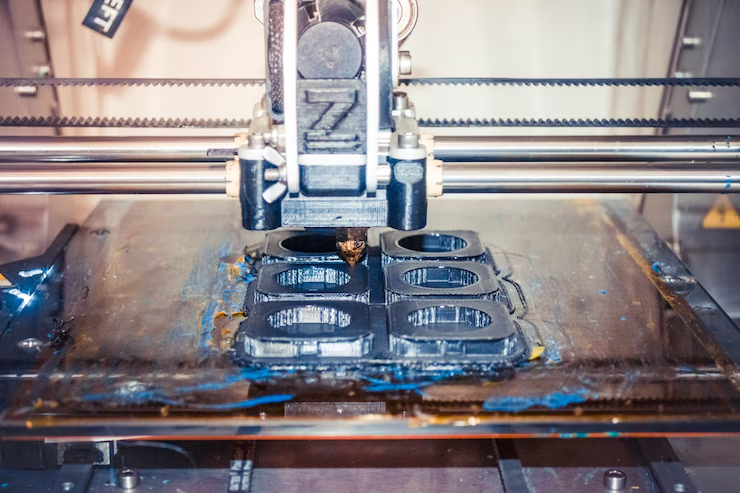
- Werkzeugbau: Soft-Tooling oder 3D-gedruckte Gussformen
- Wesentliche Merkmale: Hochwertige Kunststoffteile in kleinen Stückzahlen
- Menge: 1-100 Stück
- Vorlaufzeit: 1-3 Wochen
- Soft-Tooling oder 3D-gedruckte Form verwendet
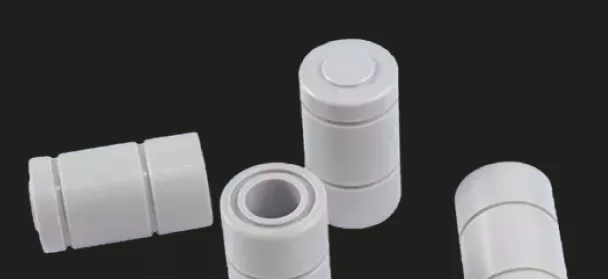
Der Kleinserien-Spritzguss von Lewei Precision nutzt Aluminium-Werkzeuge, um komplexe Kunststoffteile schnell und kostengünstig herzustellen. Dieser Service eignet sich perfekt für die Designvalidierung, die Bestandskontrolle und eine Lieferkette, die sich an eine schwankende Nachfrage anpassen kann.
- Menge: 100-10.000 Stück
- Vorlaufzeit: 3-6 Wochen
- Wesentliche Merkmale: Schnelle, kosteneffiziente Produktion von Kunststoffteilen in kleinen Stückzahlen
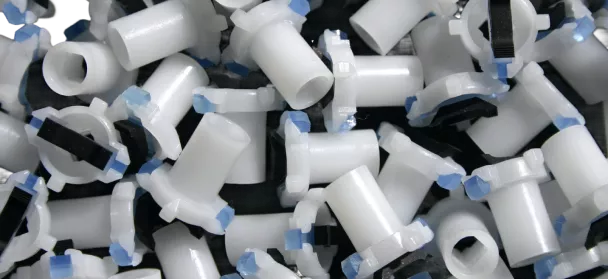
Der Großserien-Spritzguss ist eine zuverlässige und kostengünstige Lösung für die Massenproduktion identischer, präziser Teile. Mit hochmodernen Anlagen und einer strengen Qualitätskontrolle gewährleisten wir enge Toleranzen und gleichbleibende Qualität für eine Reihe von Kunststoffen, die Ihren Anforderungen entsprechen.
- Menge: Über 10.000 Stück, kann in die Millionen gehen
- Vorlaufzeit: 4-12 Wochen oder mehr
- Verfügbare Materialien: 100+ thermoplastische und duroplastische Materialien

Starten Sie Ihr CNC-Bearbeitungsprojekt
Injection molding for various Industries
Lewei Precision bietet zuverlässige injection molding services to a wide range of industries, delivering precision plastic components designed to meet specific performance, quality, and regulatory requirements. Our industry experience allows us to support both low-volume and high-volume production with consistent results.


Erfolgsgeschichten von
Lewei Precision x Rennteam Stuttgart: Innovative Zusammenarbeit bei der Entwicklung von Rennwagen
Lewei Precision ist stolz darauf, das Rennteam Stuttgart mit der Herstellung von 2 Hauptstangenkomponenten und über 80 Aluminiumeinsätzen zu unterstützen. Unsere Präzisionstechnik stellt sicher, dass sie bereit sind, die Formula Student Wettbewerbe zu erobern und dem Team einen Vorsprung zu verschaffen.

Fallstudie: LURAs Partnerschaft mit Lewei Precision für Präzisions-Raketentriebwerksteile
LURA, die Leeds University Rocket Association, nutzte die 5-Achsen-CNC-Bearbeitung und das Dreh-Fräs-Verbundverfahren von Lewei Precision, um komplizierte Triebwerksteile zu fertigen, die für den Sieg im National Race to Space Propulsion Competition entscheidend waren.

Fallstudie: Andrea Piccino arbeitet mit Lewei Precision zusammen, um den "Iron Man Anzug" zum Leben zu erwecken
Andrea, ein engagierter Maschinenbauingenieur aus Italien, nutzte die 5-Achsen-CNC-Bearbeitung von Lewei Precision, um ein passives Ganzkörper-Exoskelett herzustellen, das die menschliche Kraft erhöht und die körperliche Belastung minimiert.

Fallstudie: Lewei-Präzision sorgt für den Erfolg von Arco Aria im Tether Car
Dank der Hartnäckigkeit von Lewei gelang es Arco, den Motor seines Fesselwagens zu modifizieren, die Kurbelwelle zu drehen und ein neues Ansaugsystem für einen besseren Wirkungsgrad zu entwickeln.

Injection Molding Workflow: How We Work
Design Review & DFM
We review your CAD files to confirm material selection, part geometry, and moldability before tooling begins.
Mold Design & Tooling
Custom molds are manufactured to ensure accuracy, repeatability, and production-ready performance.
Injection Molding Production
Plastic parts are molded under controlled conditions to maintain consistent quality and tight tolerances.
Inspektion und Lieferung
Parts are inspected, finished as required, and securely packaged for on-time delivery.
Vorteile
Advantages of Injection Molding
Injection molding offers significant advantages for producing high-quality plastic parts with precision and efficiency. As a core manufacturing method within our injection molding services, it supports consistent results across both low- and high-volume production.
- High Repeatability & Consistency Produces identical parts across large production runs with minimal variation.
- Low Cost per Part at Scale Tooling costs are offset by efficient, high-volume manufacturing.
- Wide Material & Finish Options Compatible with a broad range of thermoplastics and surface finishes.
- Excellent Surface Quality Achieves smooth, cosmetic-ready finishes directly from the mold.
- Suitable for Complex Geometries Supports intricate features, thin walls, and detailed designs.
- Scalable from Prototypes to Production Easily transitions from sampling to full-scale manufacturing.
Anwendungen
Applications of Injection Molding
Injection molding is widely used across industries to manufacture durable, functional, and precision plastic components. Our injection molding services support a broad range of end-use applications.
- Housings & Enclosures Protective casings for electronics, automotive, and industrial systems.
- Connectors & Clips Small, precise components requiring repeatability and strength.
- Gears & Mechanical Components Functional plastic parts designed for motion and load-bearing use.
- Teile für medizinische Geräte Precision components used in medical and healthcare equipment.
- Consumer Product Components High-quality plastic parts for everyday consumer applications.
- Industrial Plastic Assemblies Durable components and sub-assemblies for machinery and automation.
Why Choose Lewei Precision for Injection Molding Services
Lewei Precision provides injection molding services built for accuracy, reliability, and scalable manufacturing. Our approach combines advanced production technology with engineering expertise to support plastic parts from early prototyping through full-scale production—while maintaining consistent quality, controlled costs, and dependable lead times.
Precision-Driven Manufacturing
We maintain tight dimensional control and repeatability to produce complex plastic parts that meet functional and cosmetic requirements.
Our injection molding services support a smooth transition from T1 samples to high-volume manufacturing without compromising quality.
Early-stage design for manufacturability (DFM) reviews help reduce tooling risks, optimize part design, and shorten overall lead times.
FAQs zur CNC-Bearbeitung
1. What are injection molding services used for?
Injection molding services are used to manufacture high-quality plastic parts in large volumes with consistent accuracy, surface finish, and repeatability.
2. Can injection molding be used for prototyping?
Yes, injection molding supports prototyping through low-volume tooling and T1 samples, allowing design validation before full production.
3. What materials are available for injection molding?
Injection molding services support a wide range of thermoplastics, including ABS, PP, PC, Nylon, and engineering-grade plastics for demanding applications.
4. What is the typical lead time for injection molded parts?
Lead time depends on part complexity and tooling, but initial samples are typically delivered within a few weeks after mold approval.
5. How accurate are injection molded parts?
Injection molding offers excellent dimensional accuracy and repeatability, making it suitable for parts with tight tolerances and complex geometries.
6. Is injection molding cost-effective for small production runs?
Injection molding can be cost-effective for small runs using low-volume or bridge tooling, especially when part consistency is required.
7. What surface finishes are available in injection molding?
Injection molding services offer multiple surface finishes, including high-gloss, semi-gloss, matte, textured, and custom finishes.
8. Can inserts be added during the injection molding process?
Yes, insert molding allows metal or threaded inserts to be integrated directly into plastic parts during molding, improving strength and assembly efficiency.
9. How is quality ensured in injection molding services?
Quality is ensured through pre-production mold inspection, in-process monitoring, final inspection, and full documentation for traceability.
10. Which industries commonly use injection molding services?
Injection molding is widely used in automotive, medical devices, electronics, robotics, consumer products, and industrial equipment manufacturing.

 English
  简体中文
简体中文  Español
  Deutsch (Sie)
  日本語
日本語  Português