
Service für Einlegeteile
Wir bieten professionelle Insert-Molding-Dienstleistungen an, bei denen Metalleinsätze in präzisionsgeformte Kunststoffe integriert werden, um stabile, langlebige und montagefertige Komponenten für verschiedene Branchen herzustellen. Unser Verfahren unterstützt sowohl das Rapid Prototyping als auch die Großserienproduktion mit gleichbleibender Qualität und Genauigkeit.al-Einsätze in geformte Kunststoffe für robuste und langlebige Teile, die für verschiedene Branchen geeignet sind.
- Zertifizierte, qualitativ hochwertige Fertigung - ISO 9001:2015, ISO 13485, ISO 14001:2015 und IATF 16949:2016 garantieren Präzision, Zuverlässigkeit und Konformität
- Schnelle, kostentransparente Produktion - Internationale Preise für Prototypen inklusive Tarife, Lieferung von Prototypen und Produktionsteilen innerhalb weniger Tage
- Skalierbarkeit vom Prototyp bis zur Produktion - Enge Toleranzen, wiederholbare Qualität und nahtloser Übergang vom Prototyping zur Serienfertigung
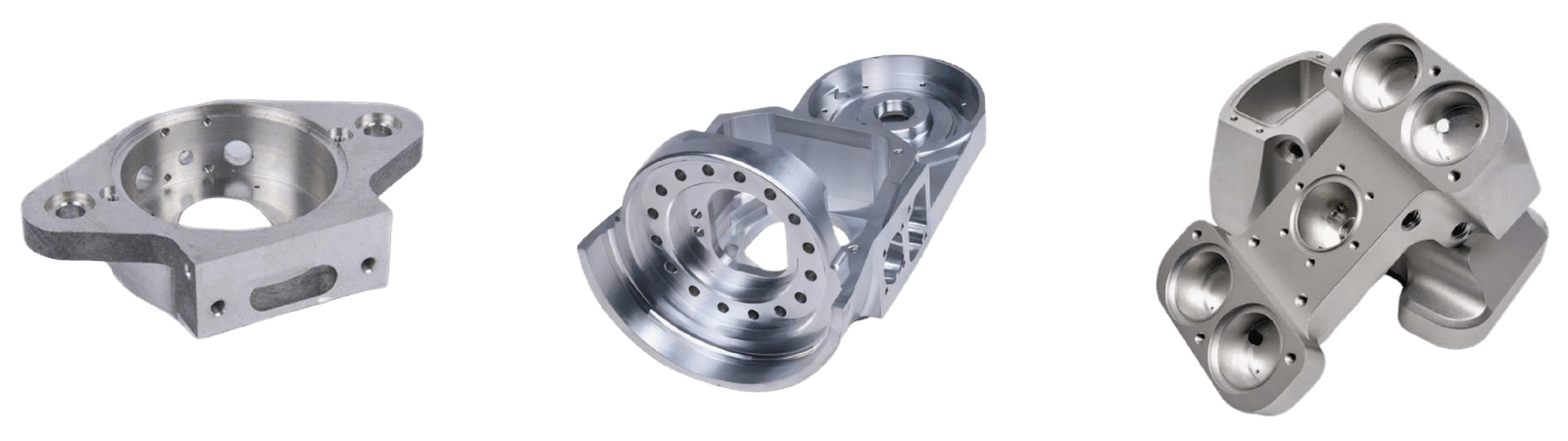

Mit unseren fachkundigen Prototyping-Dienstleistungen können Sie Ihre Produktideen schnell und präzise zum Leben erwecken.
Warum Lewei Precision für Insert Molding Services wählen?
Lewei Precision liefert zuverlässige Dienstleistungen im Bereich Spritzguss wurde für Ingenieure, Produktteams und Hersteller entwickelt, die stabile, präzise und produktionsreife Kunststoffkomponenten benötigen. Unsere Erfahrung, unsere zertifizierten Prozesse und unser technikorientierter Ansatz gewährleisten eine gleichbleibende Qualität vom Prototyping bis zur Serienfertigung.
Präzise Platzierung der Einsätze
Die genaue Positionierung von Metall- und kundenspezifischen Einlegeteilen sorgt für überragende Festigkeit, Wiederholbarkeit und Maßhaltigkeit bei jedem Formteil.
Flexible Insert Molding Services unterstützen die Herstellung von Prototypen in kleinen Stückzahlen, die Herstellung von Zwischenwerkzeugen und die Produktion von Großserien, ohne dass der Lieferant gewechselt werden muss.
Erfahrene Ingenieure bieten Feedback zur fertigungsgerechten Konstruktion, Hinweise zur Materialkompatibilität und zur Optimierung von Formen, um Risiken und Kosten zu reduzieren.
Was ist Insert Molding?
Einlegen von Formteilen ist ein spezielles Spritzgießverfahren, bei dem Metall-, Kunststoff- oder technische Einsätze in einen Formhohlraum eingelegt werden, bevor geschmolzener Kunststoff eingespritzt wird. Während des Spritzgießens fließt der Kunststoff um den Einsatz herum und verfestigt sich, wodurch eine starke, dauerhafte Verbindung entsteht, ohne dass eine zweite Montage erforderlich ist. Im Gegensatz zum herkömmlichen Spritzgießen, bei dem reine Kunststoffteile hergestellt werden, können beim Insert Molding mehrere Materialien in einem einzigen Fertigungsschritt zu einer funktionalen Komponente kombiniert werden.
Durch die dauerhafte Verkapselung von Einlegeteilen während des Spritzgießens entstehen Teile mit erhöhter mechanischer Festigkeit, verbesserter Verschleißfestigkeit und zuverlässiger elektrischer oder struktureller Leistung. Das Verfahren reduziert das Gewicht der Teile im Vergleich zu Ganzmetallkomponenten und erhöht gleichzeitig die Haltbarkeit gegenüber montierten Teilen. Diese funktionalen und strukturellen Vorteile machen das Insert Molding zu einer idealen Lösung für Anwendungen, die Präzision, langfristige Zuverlässigkeit und produktionsreife Leistung in Branchen wie der Automobilindustrie, der Elektronik, der Medizintechnik und der Industrieausrüstung erfordern.
Optionen zur Oberflächenbearbeitung für Insert Molding Services
Die Oberflächenbeschaffenheit spielt sowohl für das Aussehen als auch für die Leistung von Spritzgussteilen eine wichtige Rolle. Mit professionellen Insert-Molding-Dienstleistungen können Oberflächenbeschichtungen direkt durch die Formtexturen erreicht oder nach dem Gießen aufgebracht werden, um die Haltbarkeit, Ästhetik und Funktionalität zu verbessern. Die richtige Oberfläche trägt zur Verbesserung der Verschleißfestigkeit, der Griffigkeit, des Korrosionsschutzes und der allgemeinen Produktattraktivität bei, ohne die Integrität des Teils zu beeinträchtigen.

Direkt von polierten Formoberflächen, ideal für saubere, kosmetische Teile, die ein einheitliches Aussehen erfordern.

Aufgetragene Texturen verbessern die Griffigkeit, verringern die Blendwirkung und verdecken kleinere Oberflächenabdrücke auf sichtbaren Komponenten.

Eine niedrigglänzende Oberfläche, die ein edles Aussehen bietet und gleichzeitig Fingerabdrücke und Oberflächenreflexionen minimiert.

Wird nach dem Gießen aufgetragen, um Farbe, Oberflächenschutz und Umweltbeständigkeit zu verbessern.

Metalleinsätze können beschichtet werden, um die Korrosionsbeständigkeit, die Leitfähigkeit oder das Aussehen zu verbessern.

Dauerhafte, hochpräzise Markierungen zur Teileidentifikation, Markenbildung oder Rückverfolgbarkeit ohne Beeinträchtigung der Abmessungen.
Spritzgießverfahren bei Lewei Precision
Vorbereitung und Platzierung des Einsatzes
Metall- oder kundenspezifische Einsätze werden mit Hilfe von Vorrichtungen oder Automatisierung präzise in der Form positioniert, um eine genaue Ausrichtung und wiederholbare Ergebnisse zu gewährleisten.
Kunststoffeinspritzung und Verkapselung
Geschmolzener thermoplastischer Kunststoff wird unter kontrollierten Bedingungen eingespritzt und fließt gleichmäßig um den Einsatz herum, um ihn vollständig zu umhüllen.
Abkühlung und Bildung von Bindungen
Der Kunststoff kühlt ab und verfestigt sich, wodurch eine starke mechanische und thermische Verbindung entsteht, die den Einsatz dauerhaft sichert.
Teileauswurf & Qualitätsprüfung
Die fertigen Teile werden ausgeworfen und auf Maßhaltigkeit, Integrität der Einsätze und Einhaltung der Toleranzen geprüft.
CNC-Bearbeitungslösungen
Prototyp & Rapid Tooling
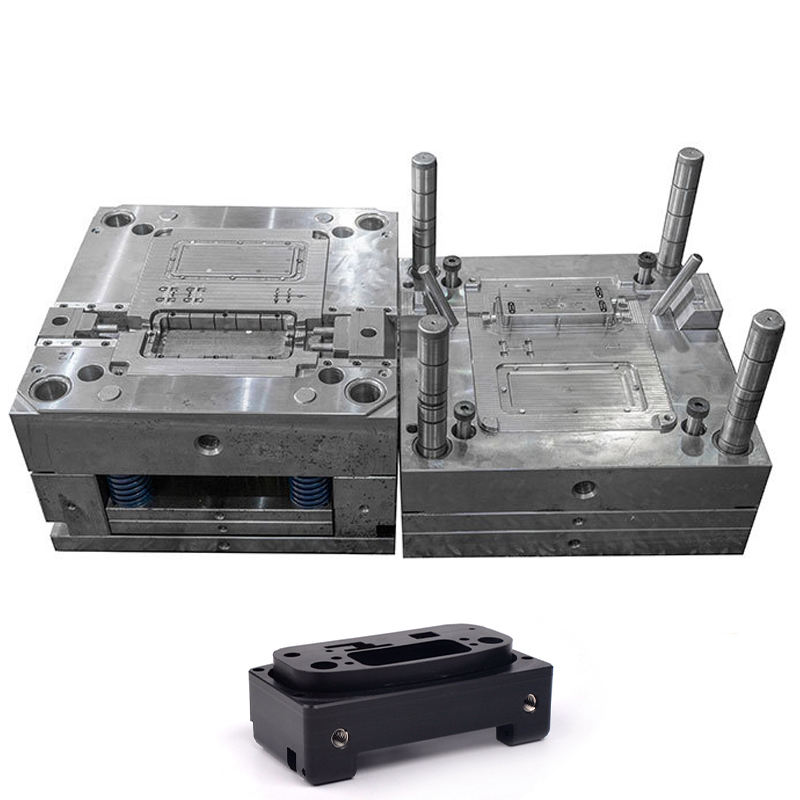
Unser Dienstleistungen im Bereich Spritzguss unterstützen eine schnelle Validierung und frühe Tests mit kostengünstigen Aluminiumwerkzeugen. Diese Option ist ideal für Prototypen, Designüberprüfung und kleine Produktionsläufe und hilft Ihnen, die Vorlaufkosten zu senken und die Markteinführung zu beschleunigen.
Fähigkeit: Geringe bis mittlere Mengen
Vorlaufzeit: Schnelle Durchlaufzeit für Validierungs-Builds
Werkzeuge für die Produktion
Für die maßstabsgetreue Fertigung bieten wir langlebige Stahlformen an, die für langfristige, hohe Stückzahlen ausgelegt sind. Dienstleistungen im Bereich Spritzguss. Diese Werkzeuge liefern gleichbleibende Qualität, enge Toleranzen und zuverlässige Leistung über lange Produktionszyklen hinweg.
Kapazität: Hochvolumige Produktion
Vorlaufzeit: Optimiert für Wiederholbarkeit und Effizienz

Materialien für Einsatzformen
Kunststoffe
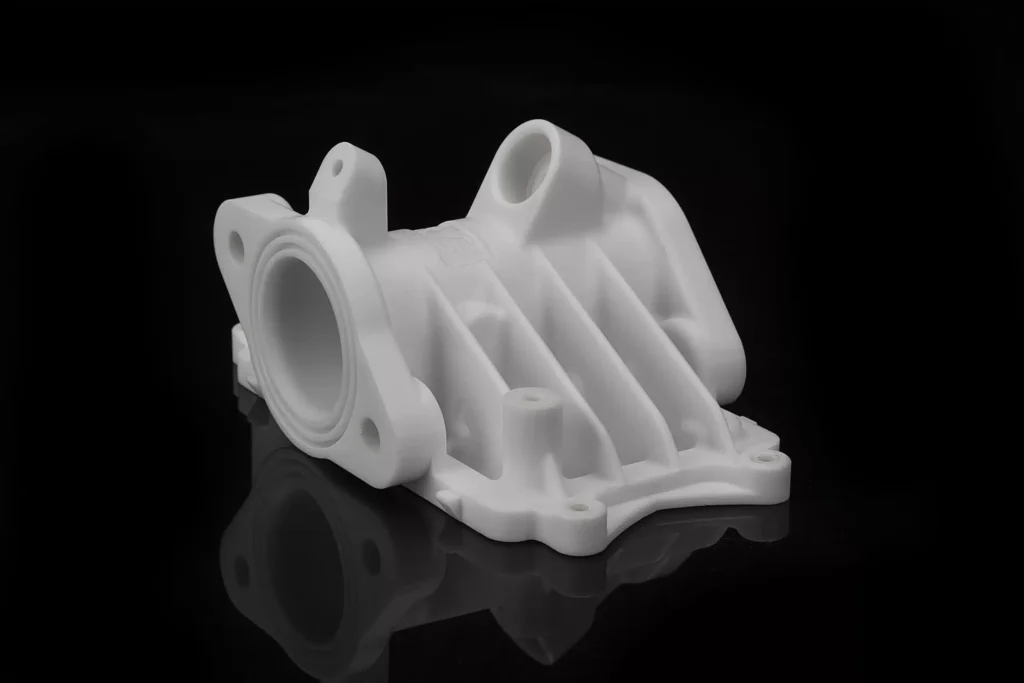
ABS ist stark, langlebig und bietet eine gute Hitze- und Stoßfestigkeit. Es wird bevorzugt für Automobilteile und Konsumgüter verwendet.
ABS Beige(Natur)
ABS Schwarz
ABS Schwarz Antistatisch
ABS Milchig Weiß
ABS+PC Schwarz
ABS+PC Weiß
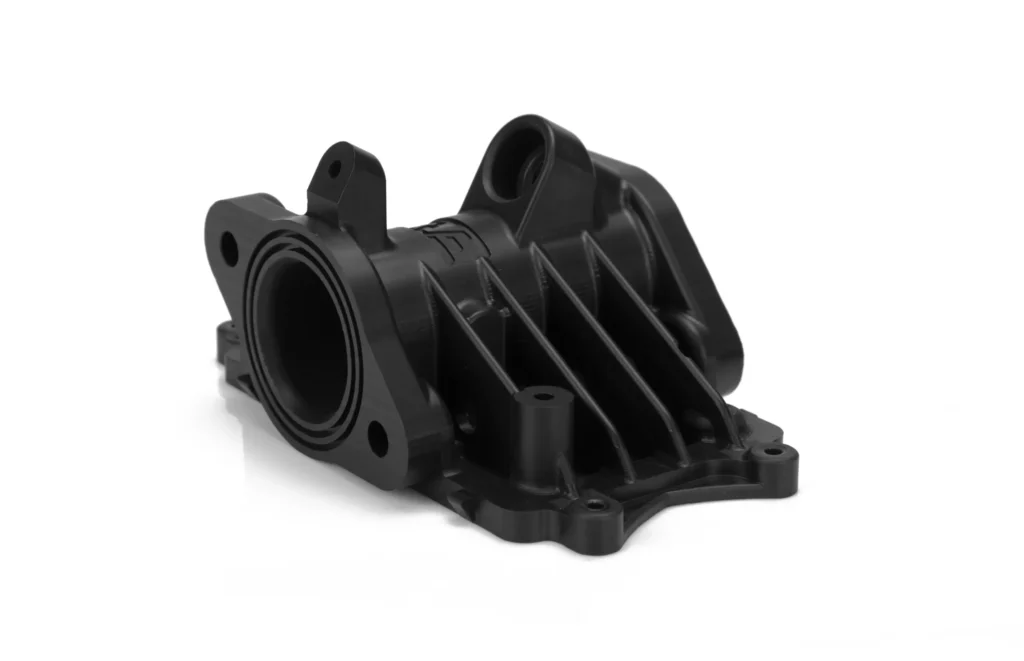
Polycarbonat ist extrem haltbar und weist eine hohe Schlagfestigkeit sowie eine ausgezeichnete Klarheit auf und wird für kugelsicheres Glas und Schutzkleidung verwendet.
PC Schwarz
PC Transparent
PC Weiß
PC Gelblich Weiß
PC+GF30 Schwarz
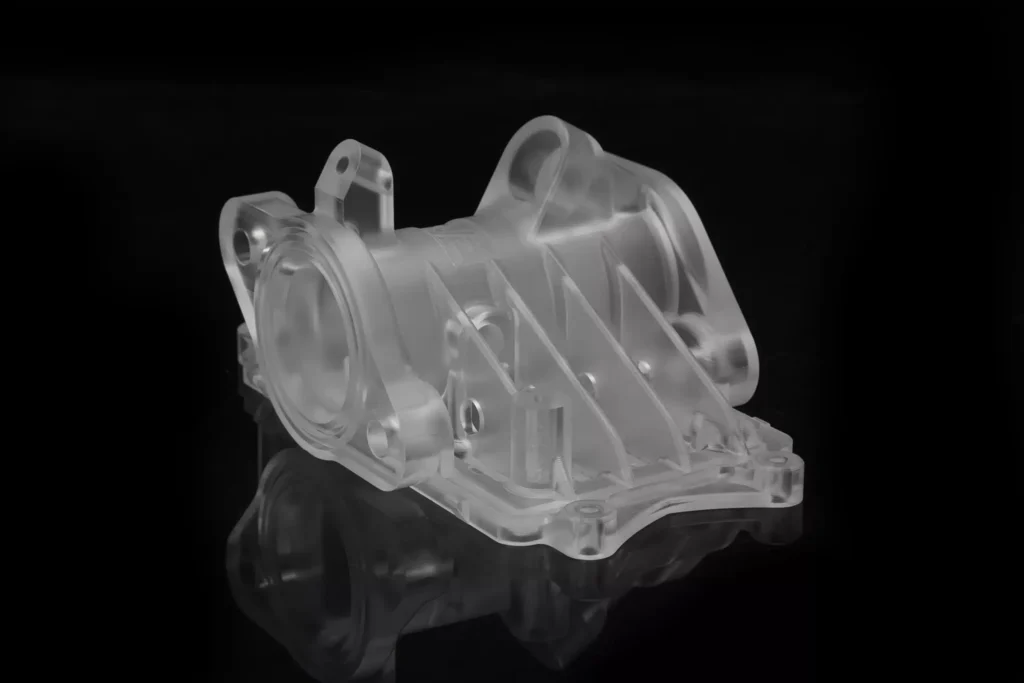
PMMA oder Acryl ist für seine kristalline Klarheit und Witterungsbeständigkeit bekannt und daher ideal für Außenbefestigungen und Vitrinen.
PMMA Schwarz
PMMA Transparent
PMMA Weiß
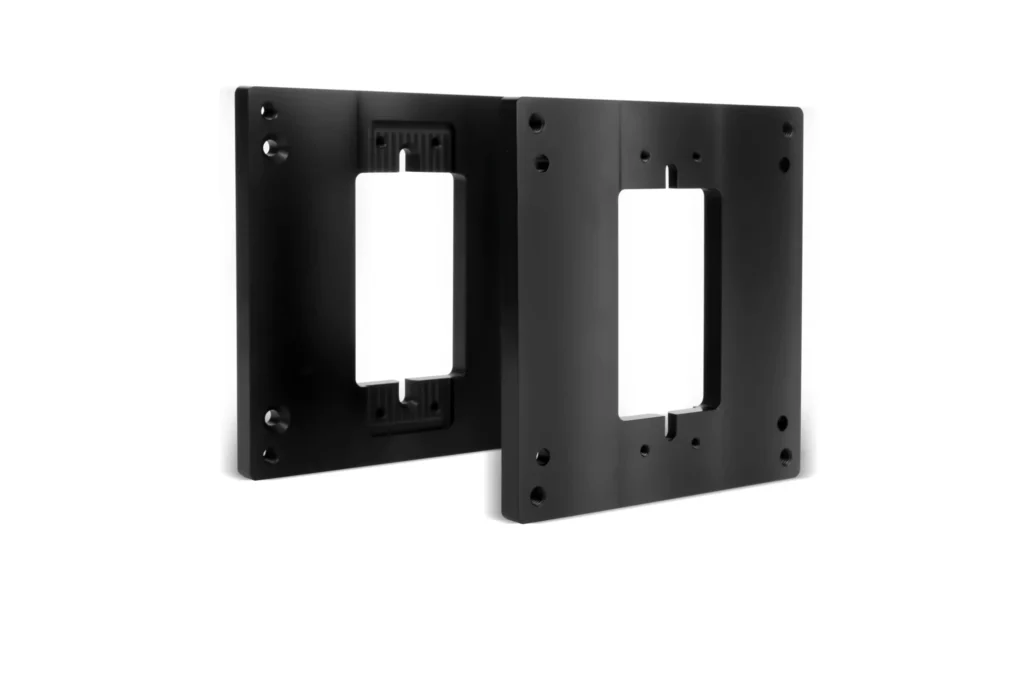
POM ist stark, hat eine reibungsarme Oberfläche und eine gute Dimensionsstabilität, ideal für Präzisionsteile in mechanischen Anwendungen.
Dunkelbraun (Kaffee) POM 100AF
POM Schwarz
POM Blau
POM Weiß
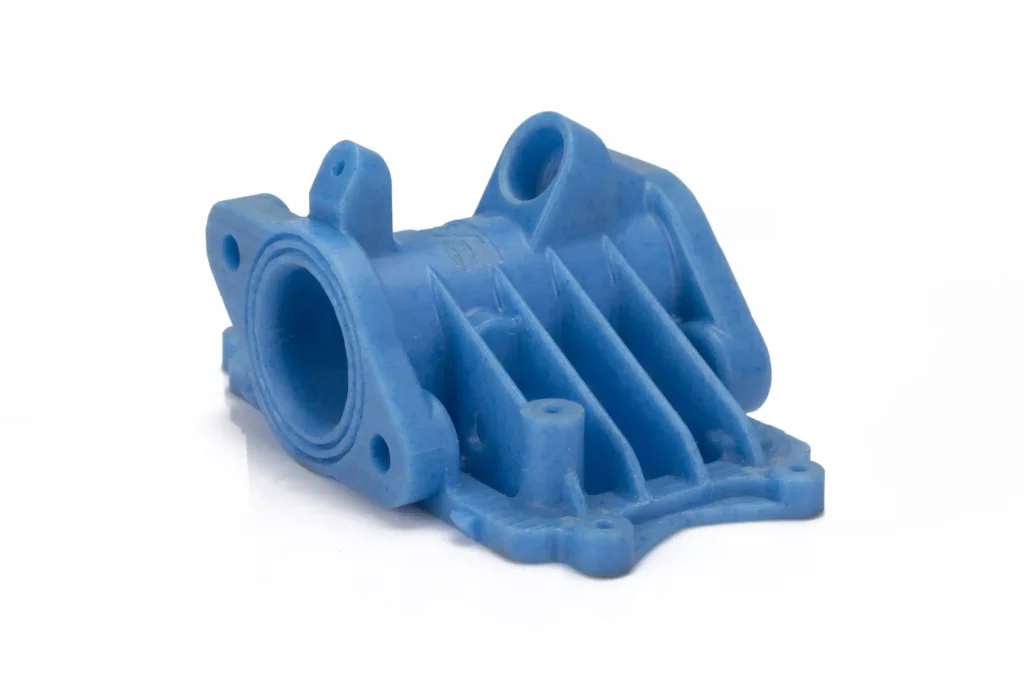
Nylon ist vielseitig, stark und verschleißt gut gegen Reibung und wird häufig für Zahnräder, Lager und andere verschleißfeste Oberflächen verwendet.
PA(Nylon) Blau
PA6 (Nylon)+GF15 Schwarz
PA6 (Nylon)+GF30 Schwarz
PA66 (Nylon) Beige(Natur)
PA66 (Nylon) Schwarz
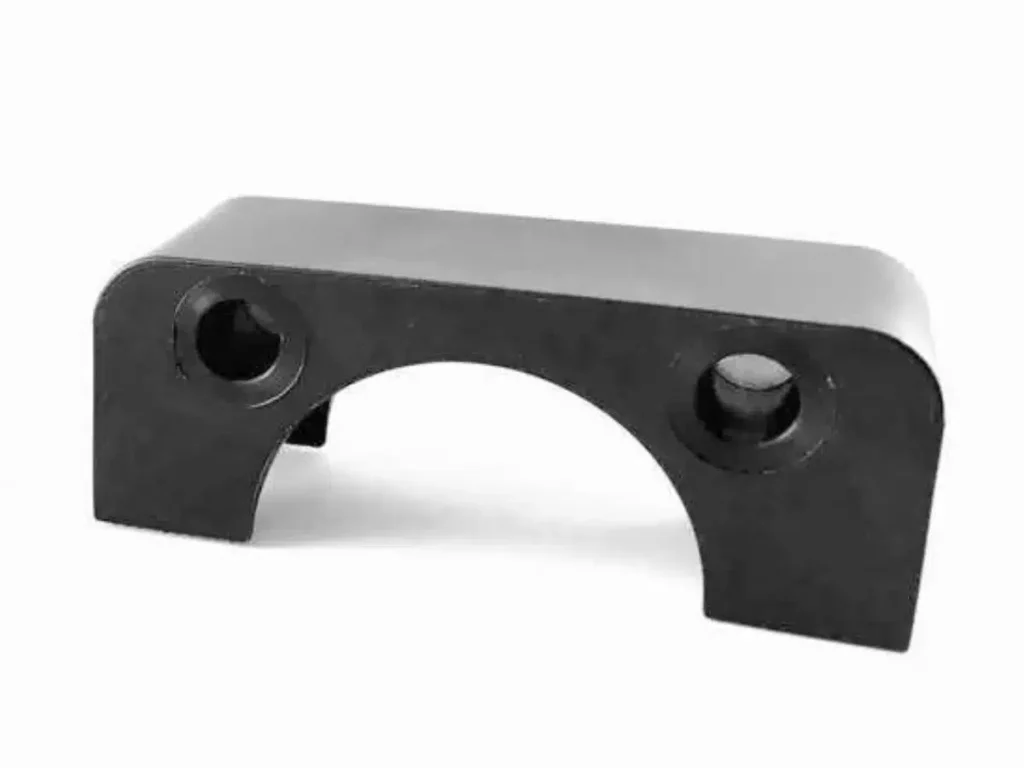
Polyethylen ist leicht und hat eine hohe Schlagfestigkeit und wird häufig für Verpackungen und Behälter verwendet.
PE Schwarz
PE Weiß
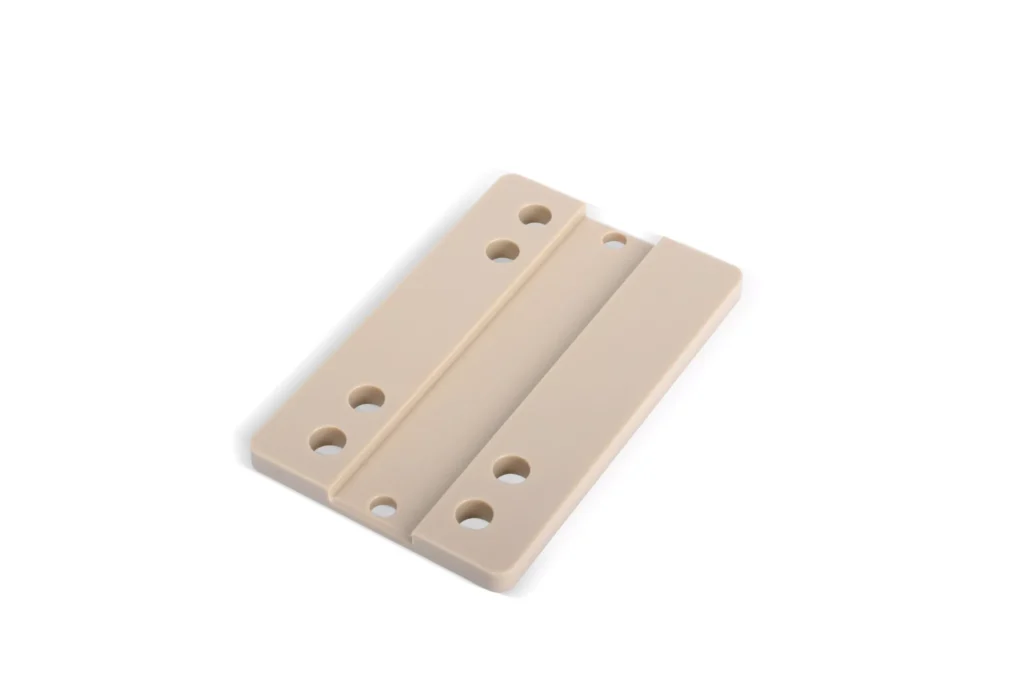
PEEK ist bekannt für seine hohe Temperaturbeständigkeit und Festigkeit und wird häufig in der Luft- und Raumfahrt sowie bei der Herstellung medizinischer Implantate verwendet.
PEEK Beige(Natürlich)
PEEK Schwarz

Polypropylen ist zäh, hat eine ausgezeichnete chemische Beständigkeit und wird für Automobilteile, Behälter und Verpackungen verwendet.
PP Schwarz
PP Weiß
PP+GF30 Schwarz
Insert Molding vs. Overmolding
Die Wahl zwischen Dienstleistungen im Bereich Spritzguss und Overmolding hängt von der Funktion des Teils, den Materialanforderungen, dem Produktionsvolumen und den Leistungszielen ab. Bei beiden Verfahren werden zwar mehrere Materialien kombiniert, sie dienen jedoch unterschiedlichen Fertigungszwecken.
| VS | Einsatzformteil | Umspritzen |
|---|---|---|
| Prozess-Typ | Einsätze (Metall oder Kunststoff) werden vor dem Einspritzen in die Form eingelegt | Ein zweites Material wird über ein vorhandenes Kunststoffsubstrat gegossen |
| Primärer Zweck | Strukturelle Festigkeit, Tragfähigkeit und funktionelle Verstärkung | Verbesserte Haftung, Abdichtung, Komfort oder Ästhetik |
| Anforderungen an die Montage | Keine sekundäre Montage erforderlich | Erfordert in der Regel einen zweistufigen Formgebungsprozess |
| Werkstoff-Kombination | Kunststoff um Metall oder starre Einsätze geformt | Weiche Materialien (TPE, Gummi), die über starre Kunststoffe gegossen werden |
| Mechanische Festigkeit | Hohe Festigkeit und Haltbarkeit durch eingebettete Einsätze | Mäßige Stärke, eher auf Oberflächenfunktionalität ausgerichtet |
| Gewinde und Abriebfestigkeit | Hervorragend geeignet für Gewindeeinsätze, Buchsen und Befestigungselemente | Nicht geeignet für Gewindeverstärkung |
| Entwurfskomplexität | Begrenzt durch die Platzierung der Einsätze und das Design der Form | Größere Gestaltungsfreiheit bei Texturen und Soft-Touch-Eigenschaften |
| Produktionseffizienz | Single-Shot-Verfahren reduziert Arbeitsaufwand und Kosten | Multi-Shot-Verfahren erhöht die Werkzeug- und Zykluszeit |
| Typische Anwendungen | Gehäuse mit Gewinde, elektrische Anschlüsse, Sensorkomponenten | Werkzeuggriffe, Griffe, Dichtungen, Dichtungsringe, Konsumgüter |
| Bester Anwendungsfall | Funktions-, Struktur- und tragende Teile | Ergonomische, schützende oder kosmetische Verbesserungen |
Umspritzen Fähigkeiten
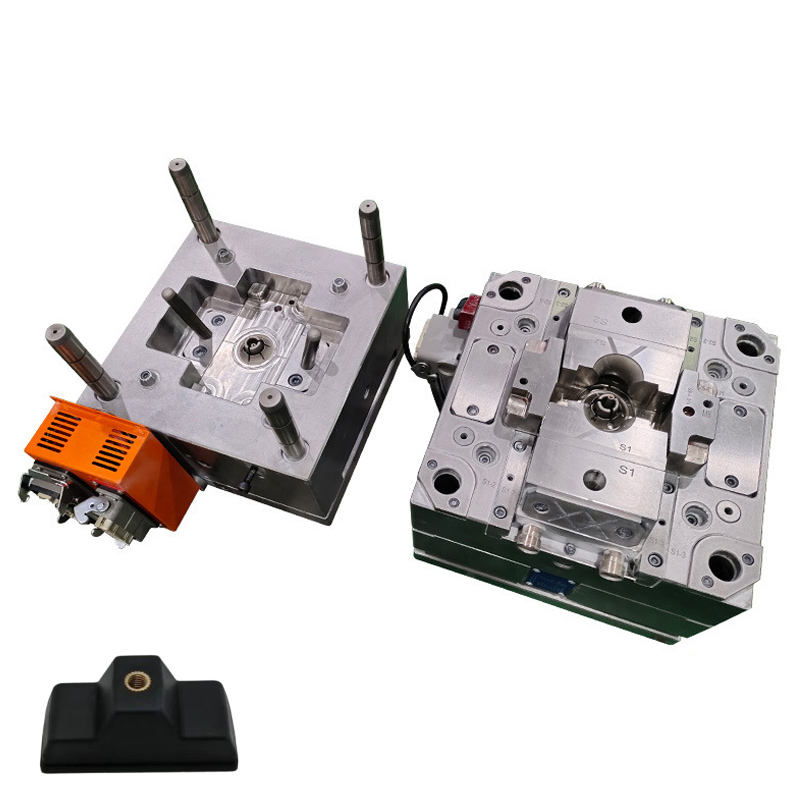
Das Drahterodieren von Lewei Precision, das Teil unserer CNC-Dienstleistungen ist, ermöglicht die effiziente Herstellung einfacher und komplizierter Formen. Diese berührungslose Methode ist ideal für Teile, die eine hohe Präzision erfordern. Sie erzeugt minimale Grate und eignet sich hervorragend für Metalle wie Stahl und Titan. Aufgrund ihrer Genauigkeit werden sie in der Luft- und Raumfahrt, in der Automobilindustrie und in der Elektronikbranche bevorzugt. Wir bieten Ihnen maßgeschneiderte, präzise Lösungen für jeden Bedarf.
Fähigkeit
Details/Spezifikationen
Kompatibilität der Materialien
Rostfreier Stahl, Titan, Aluminium, Werkzeugstahl, Kupfer
Toleranz
± 0,0001 Zoll (0,0025 mm) oder besser (basierend auf Material und Dicke)
Maximale Werkstückgröße
Länge: 16 Zoll (400 mm)
Breite: 12 Zoll (300 mm)
Höhe: 8 Zoll (200 mm)
Schnittgeschwindigkeit
Bis zu 300 mm2/min (abhängig von Material und Dicke)
Oberflächenbehandlung
So fein wie Ra 0,2 µm
Maximale Schnittdicke
Bis zu 300 mm (12 Zoll) - variiert je nach Material
Drahtdurchmesserbereich
0,004 Zoll (0,1 mm) bis 0,012 Zoll (0,3 mm)
Drahtdurchmesserbereich
0,004 Zoll (0,1 mm) bis 0,012 Zoll (0,3 mm)
Drahtdurchmesserbereich
0,004 Zoll (0,1 mm) bis 0,012 Zoll (0,3 mm)
Vorteile
Vorteile der Präzisionszerspanung
Das Spritzgießen von Einlegeteilen bietet klare Fertigungs- und Leistungsvorteile, da die Einlegeteile direkt in die geformten Kunststoffteile integriert werden, was zusätzliche Montageschritte überflüssig macht und gleichzeitig die Festigkeit und Zuverlässigkeit erhöht.
- Eliminiert die sekundäre Montage Die Einsätze werden direkt in das Teil gegossen, was den Arbeitsaufwand, die Montagezeit und potenzielle Fehlerquellen reduziert.
- Verbessert die mechanische Festigkeit und Langlebigkeit Metall- oder technische Einsätze verstärken Kunststoffteile und erhöhen die Belastbarkeit und strukturelle Integrität.
- Reduziert Größe und Gewicht der Teile Beim Insert Molding werden sperrige Ganzmetallteile durch leichte Kunststoff-Metall-Hybride ersetzt, ohne dass die Leistung darunter leidet.
- Verbessert die Lebensdauer und Verschleißfestigkeit von Gewinden Eingebettete Metallgewinde und Buchsen verbessern die Festigkeit der Befestigung und die Widerstandsfähigkeit bei wiederholter Verwendung.
- Verbessert die Langzeitzuverlässigkeit Die dauerhafte Verbindung zwischen Einsatz und Kunststoff gewährleistet eine gleichbleibende Leistung bei Belastung, Vibration und Hitze.
- Unterstützt komplexe Multi-Material-Designs Insert Molding Services ermöglichen die Integration mehrerer Materialien in ein einziges, funktionales Bauteil.
Anwendungen
Anwendungen der Präzisionszerspanung
Das Spritzgießen von Einlegeteilen ist in allen Branchen weit verbreitet, die starke, präzise und montagefertige Komponenten benötigen.
- Gehäuse mit Gewinde Kunststoffgehäuse mit integrierten Metallgewinden für eine sichere Befestigung und wiederholte Montage.
- Elektrische Steckverbinder Umspritzte Kontakte und Klemmen für zuverlässige Leitfähigkeit und Isolierung.
- Sensor-Komponenten Präzisionsgehäuse und -halterungen, die empfindliche Elektronik schützen und eine genaue Ausrichtung gewährleisten.
- Verstärkte Kunststoffbaugruppen Mit Metalleinlagen verstärkte Kunststoffteile für tragende Anwendungen.
- Verschleißbeständige mechanische Teile Buchsen, Hülsen und Kontaktflächen, die auf Haltbarkeit und geringere Reibung ausgelegt sind.
- Strukturelle Kunststoff-Metall-Hybride Leichte und dennoch stabile Komponenten, die die Vorteile von Kunststoff und Metall vereinen.
Qualitätskontrolle und Inspektion für Insert Molding Services


Bei Lewei Precision ist die Qualitätskontrolle in jeder Phase des Spritzgießens von Einlegeteilen integriert, um eine gleichbleibende Leistung und zuverlässige Ergebnisse zu gewährleisten. Bevor die Produktion beginnt, wird jede Form einer gründlichen Vorabkontrolle unterzogen, um die Genauigkeit der Werkzeuge, die Passgenauigkeit der Einsätze und die Prozessbereitschaft vor der Bemusterung zu überprüfen. Während der Produktion werden prozessbegleitende Prüfungen durchgeführt, um die Platzierung der Einsätze, die Konsistenz der Gussform und die Dimensionsstabilität zu überwachen, was dazu beiträgt, enge Toleranzen einzuhalten und Fehler in Echtzeit zu vermeiden.
Vor dem Versand durchlaufen alle Spritzgussteile eine abschließende Teilevalidierung, einschließlich Maßprüfungen, Sichtprüfungen und Funktionstests, um die Einhaltung der Konstruktionsspezifikationen zu bestätigen. Um vollständige Transparenz und Rückverfolgbarkeit zu gewährleisten, stellen wir auf Anfrage Prüfberichte, Materialzertifikate und Konformitätsunterlagen zur Verfügung. Dieser strukturierte Qualitätsansatz stellt sicher, dass unsere Insert Molding Services den Industriestandards entsprechen und jederzeit zuverlässige, produktionsreife Komponenten liefern.
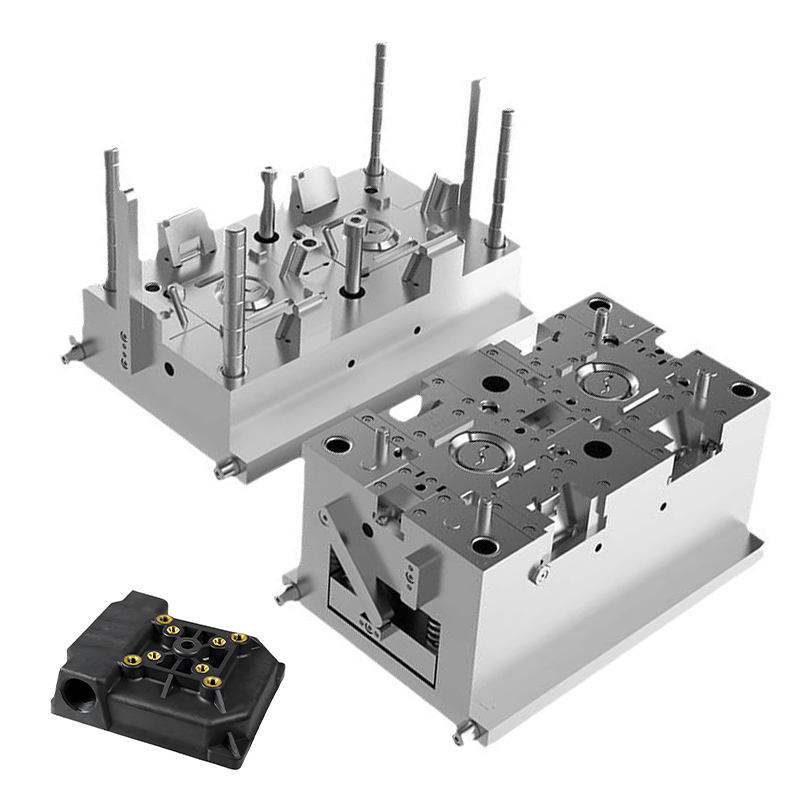
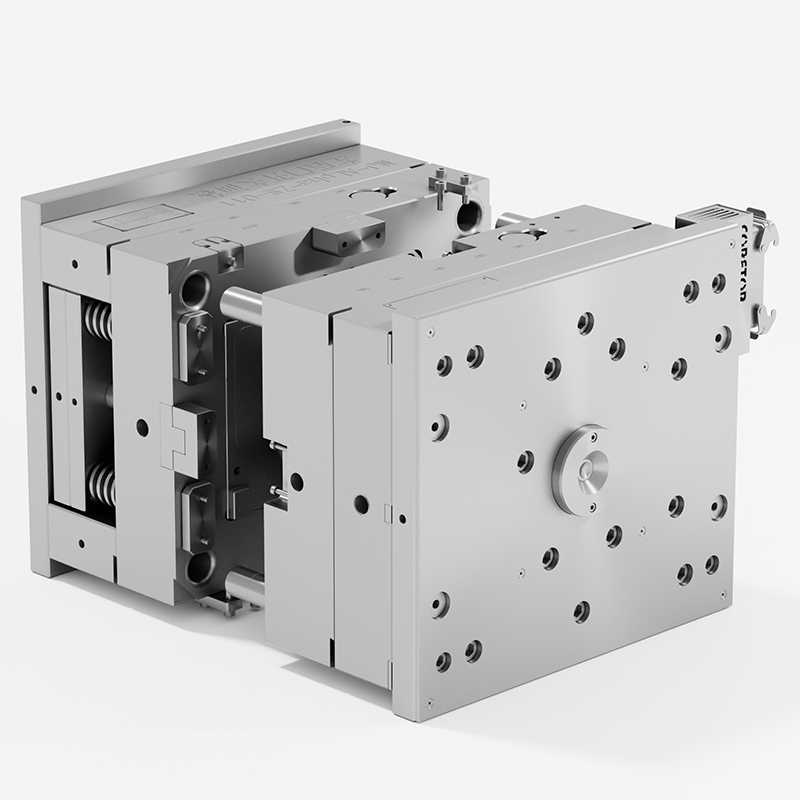
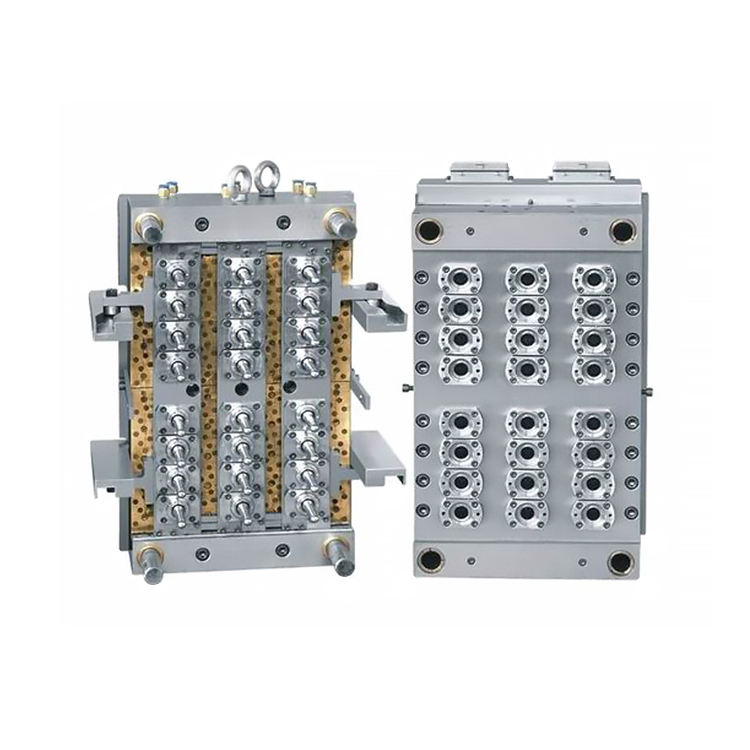
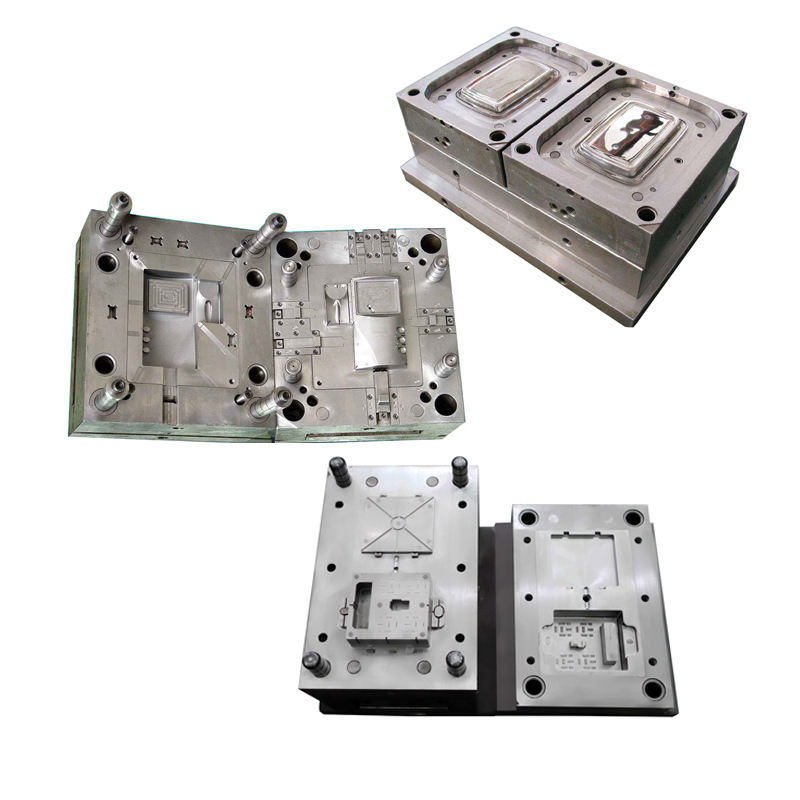
Umspritzen vs. Insert Molding
FAQs zur CNC-Bearbeitung
Was ist das Insert-Molding-Verfahren und welche Vorteile bietet es?
Beim Einlegeteilverfahren handelt es sich um ein Spritzgussverfahren, bei dem ein Metallteil oder ein vorgeformtes Bauteil (Einlegeteil) in den Formhohlraum eingelegt und mit Kunststoff umspritzt wird, um es zu einem einzigen Bauteil zu verbinden. Zu den Vorteilen zählen geringere Montagekosten, stabilere Bauteile, eine verbesserte elektrische Leitfähigkeit sowie in Kunststoffteile integrierte Gewindebefestigungspunkte.
Welche Arten von Einlegeteilen kann Lewei Precision beim Spritzgießen integrieren?
Wir führen Spritzgussverfahren rund um Gewindeeinsätze aus Messing, Stahlstifte, elektrische Kontakte, Klemmen, Buchsen, Lager, Magnete, Leiterplatten, Sensoren und kundenspezifisch CNC-gefräste Bauteile durch. Dabei werden sowohl Standard-Katalogeinsätze als auch kundenspezifisch gefertigte Einsätze unterstützt.
Wie lässt sich das Einpressverfahren mit der nachträglichen Montage von Gewindeeinsätzen vergleichen?
Das Einlegeformverfahren sorgt für eine festere Verbindung und spart die Arbeitskosten für den Einbau der Einlegeteile nach dem Formvorgang. Zudem wird das Risiko ausgeschlossen, dass sich die Einlegeteile im Laufe der Zeit lösen. Bei der Großserienfertigung weist das Einlegeformverfahren trotz der höheren Komplexität der Werkzeuge in der Regel die niedrigsten Gesamtkosten auf.
Welche Materialien werden bei Lewei Precision üblicherweise für das Insert-Molding verwendet?
Zu den gängigen Kunststoffgranulaten zählen Nylon, Polycarbonat, ABS, PBT, PPS sowie glasfaserverstärkte Typen. Gängige Metalleinsätze sind Messing (CDA 360), Edelstahl und leicht zerspanbarer Stahl. Wir stimmen das Granulat und das Material der Einsätze auf die Anforderungen hinsichtlich Wärmeausdehnung und Haftfestigkeit ab.
Kann Lewei Precision sowohl die Einsätze als auch die Formteile als Komplettlösung liefern?
Ja. Wir fertigen maßgeschneiderte Einsätze im eigenen Haus mittels CNC-Bearbeitung, beziehen Standard-Gewindeeinsätze und führen die Einspritzgussproduktion – alles unter einem Dach. Diese Lösung aus einer Hand verbessert die Qualitätskontrolle und verkürzt die Gesamtlieferzeit.
In welchen Branchen werden Insert-Molding-Dienstleistungen üblicherweise in Anspruch genommen?
Das Insert-Molding-Verfahren wird in der Automobilindustrie (Sensorengehäuse, Steckverbinder), der Elektronik (Leiterplattengehäuse, Schalter), bei medizinischen Geräten (Griffe mit eingebettetem Metall), bei Konsumgütern (Messergriffe, Werkzeuggehäuse) und bei Industrieanlagen (Kunststoffteile mit Gewinde) eingesetzt.
 English
  简体中文
简体中文  Español
  Deutsch (Sie)
  日本語
日本語  Português