 Saltar para o conteúdo
Serviços de fundição sob pressão personalizados
Get precision die-cast metal components of prototype and high volume production with quick delivery. Our high level technologies of die casting will provide you with the best quality parts and hence the best solution to your manufacturing requirements.
- Fast Turnaround: Quick prototypes and production runs.
- Precision: Tight tolerances for accurate, high-quality parts.
- Certified Quality: ISO 9001:2015, IATF 16949, ISO 13485 certified.

Die Casting Capabilities Overview
Lewei Precision has a variety of die casting services that aim to serve different industries. Manufacturing quality production components, as well as the fast-prototyping process, our abilities will guarantee the high quality, long-lasting, and high-performance components, where each of them performs exactly according to your needs.

Hot chamber die casting is ideal in metals with low melting points like zinc and magnesium and therefore it has a high rate of cycles and wasted material is minimized hence is ideal in large production volumes.

It is applied to high-melting-point metals such as aluminum that offer the required strength and accuracy to components that must be able to endure stressful environments such as aerospace and automotive components.
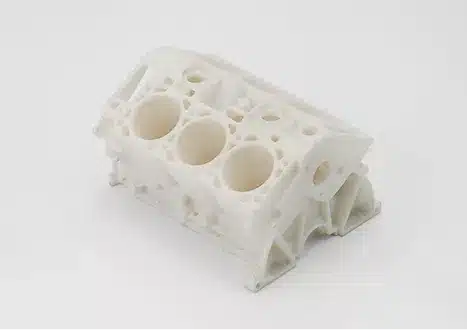
Semi-solid die casting gives high strength and low porosity components with enhanced surface finish, which would be suitable in the automotive and aerospace industries, where part wear and performance are vital.
SLM applies laser to liquefy metal powders to create metal components with high strength. This method is perfect in aerospace, medical and industrial applications because it is long-lasting and precise to use under harsh conditions.
Available Die Casting Finishes
Lewei Precision has a range of die cast finishes to meet your parts needs; functional, aesthetic, and lasting requirements. To achieve a polished appearance, better corrosion resistance, or even better performance, we offer you the choices that suit your requirements.

The as-cast finish is a perfect choice where aesthetics are less important as it preserves the raw texture of the part and it is used when the part is an internal part or prototype.

A bead blasted finish produces a textured finish with a matte look, which enhances the life of the part, and gives it a consistent look, which is ideal in parts that are subject to wear and environmental elements.

Anodizing provides a protective coating of aluminum parts improving their corrosion resistance and wear. It is also customizable in terms of colors, thus it is an excellent product in terms of both protection and aesthetics.

In powder coating, we use a smooth coating which is long lasting and provides a lot of protection against chemicals, abrasion, and the elements. Perfect in components that require heavy and durable cover.

Wet painting enhances appearance of parts besides providing a protective layer. It is a perfect selection of functional and aesthetics components that have a variety of colors to fit your design requirements.

Plating is a coating of the surface to parts with a thin layer of metal to improve characteristics such as corrosion resistance, conductivity, and surface finish, so it is suitable in electronic parts or heavy-duty applications.
Die Casting Materials
Our die casting services use non-ferrous alloys specifically designed for high-pressure mold filling and repeatable mass production.
All materials listed below are purpose-built die casting alloys, not general machining grades.

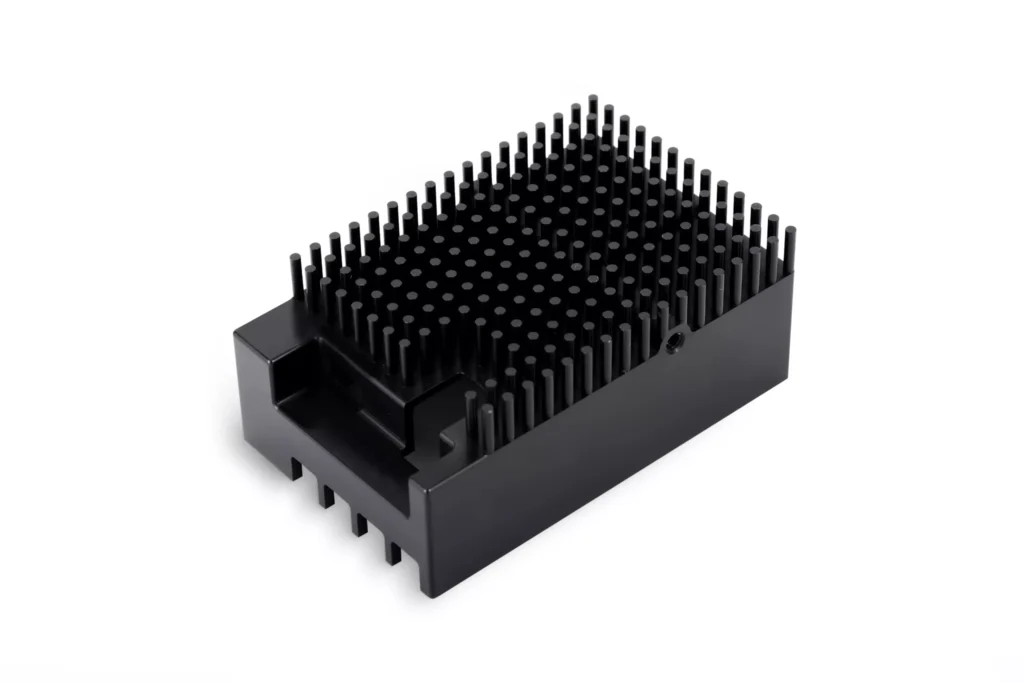
Lightweight, corrosion-resistant, and the most widely used die casting material for structural and automotive parts.
Grades
A380
ADC12
A360
AlSi9Cu3
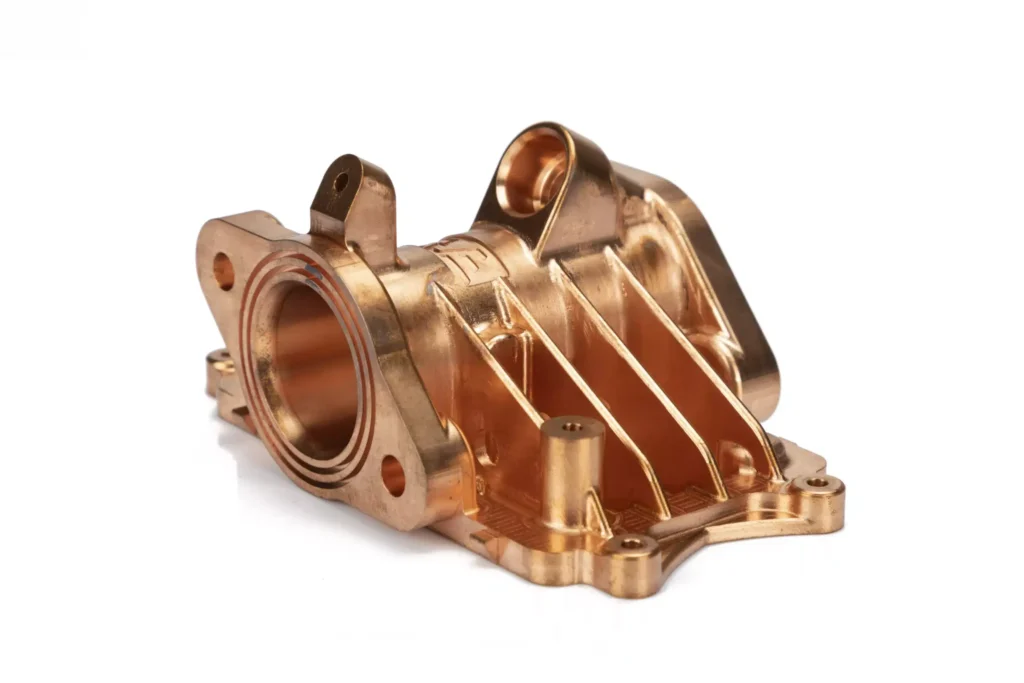
Excellent fluidity and dimensional accuracy for thin-wall and high-detail components.
Grades
Zamak 3
Zamak 5
Zamak 7
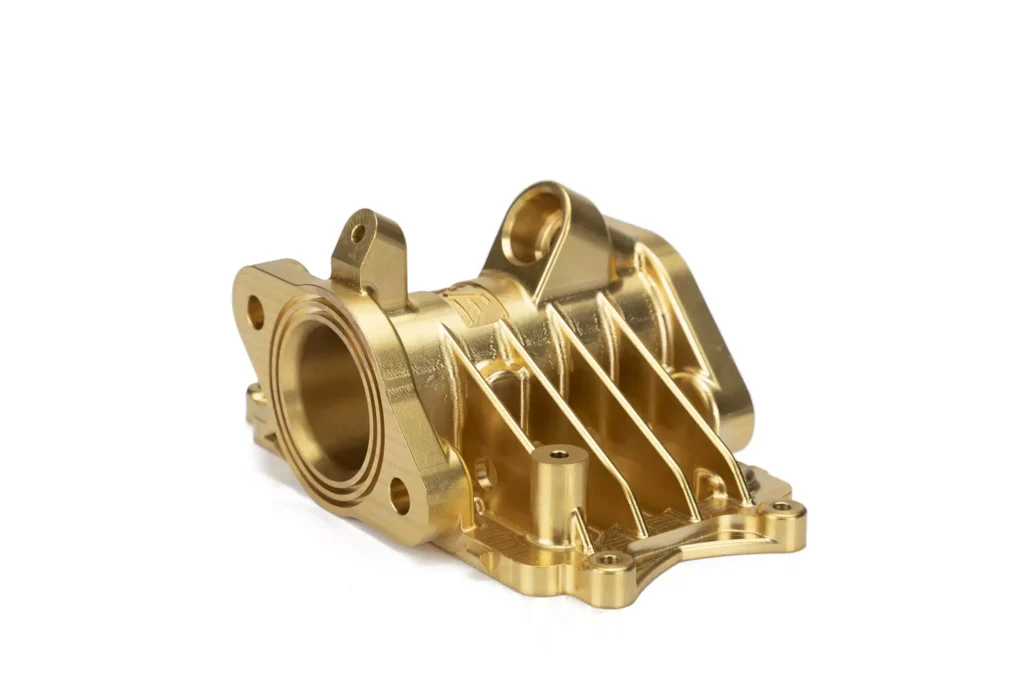
Ultra-lightweight alloy used for weight-critical and high-strength components.
Grades
AZ91D
AM60B
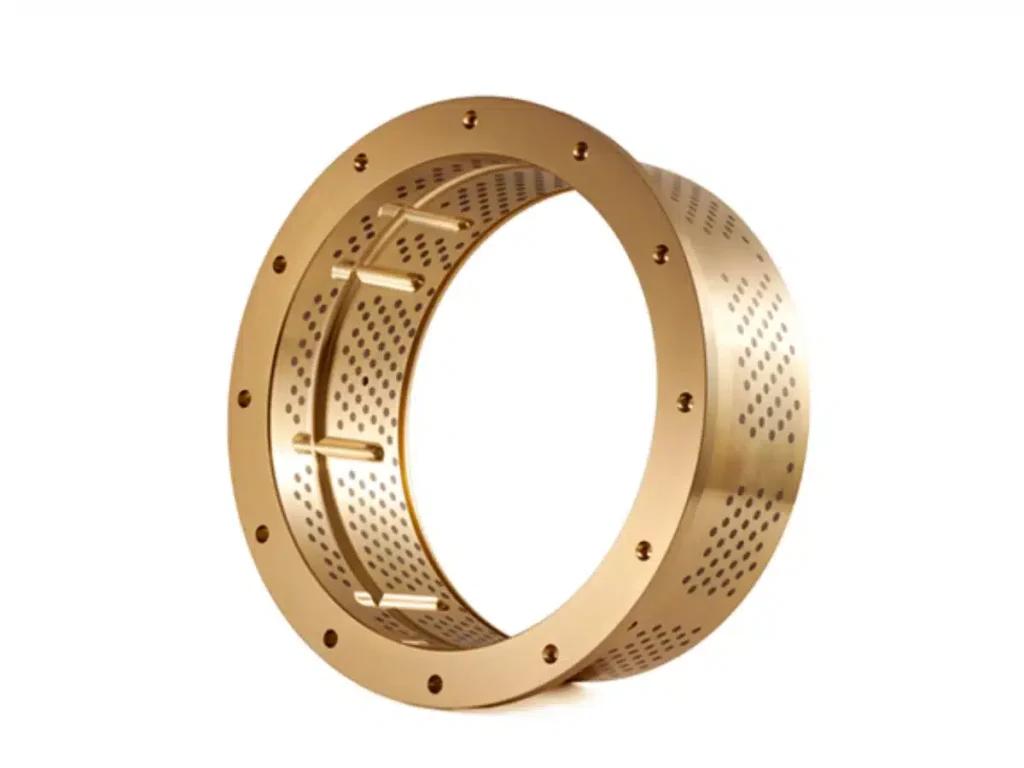
Used in limited die casting applications where higher strength is required.
Grades
Copper-Based Die Casting Alloys
Die Casting Tolerances
| Parâmetro | Especificação |
|---|---|
| Tolerâncias gerais | ±0.01 mm for metals / ±0.05 mm for plastics |
| Tolerância apertada | ±0.005 mm |
| Acabamento da superfície | Ra 3.2–0.8 μm |
| Maximum Build Size | Up to 1200 mm |
Quality Assurance & Inspection Capabilities


At Lewei Precision we guarantee the best quality assurance of all the parts we manufacture. Our full inspection services are provided through the use of sophisticated equipment such as CMM (Coordinate Measuring Machines), optical scanners and digital micrometers to provide dimensional accuracy to tightest of tolerances. Every segment is carefully checked at every level and it is made to meet the specifications strictly in functionality and functionality.
We have high standards of geometric accuracy and employ GD&T ( Geometric Dimensioning and Tolerancing ) techniques and test parts to ISO 2768-mK and ASME Y14.5 standards. The quality of surface is also evaluated with a high degree of test like the roughness in form of measurements in the range of Ra 3.2-0.8 μm and confirmation of the coating thickness to a uniform finish. Additionally, we provide full traceability with documentation such as material certificates (MTRs), FAI reportse CMM data sheets, ensuring complete transparency and peace of mind for our customers.
Die Casting Services for Diverse Industries
Lewei Precision specializes in offering die cast services of the highest quality in the various industries. In aerospace, automotive, medical devices, robotics or consumer products, we can provide custom die castings to suit the specific requirements of each industry. Our state of die casting also enables us to manufacture accuracy parts in high durability and strength.


Die Casting Workflow (How We Work)
Lewei Precision’s die casting process ensures efficiency, quality, and transparency at every step, delivering high-quality parts to meet your needs.
Engineering Review
Upload your design for a manufacturability analysis to ensure it’s optimized for the die casting process.
Tooling & Mold Design
Our engineers create precise tooling and molds based on your specifications for accurate part production.
Die Casting Process
Molten metal is injected into the mold to form the part, followed by necessary post-processing steps for finishing.
Inspection & Delivery
The final part undergoes thorough inspection, and we provide all required documentation before shipping.
Production Volume Options
Lewei Precision has flexible volume production which can meet the different project needs, including a quick prototype, or high-volume production.
Impressão 3D
Ideal in low-volume testing and validation. Get prototypes that are of high quality and in a short period of time to test and proof your designs.
- Lead time: 5–7 Days

Fundição sob vácuo
Regular quality with smaller production batches of 50 to 500 parts, best suited with first production or testing in the market.
- Lead time: 7–10 Days

Moldagem por injeção
Large-volume production with automated die casting, which guarantees high quality and efficiency in the delivery of large volumes of parts.
- Lead time:3–4 Weeks

Fábrica e equipamento de fundição injectada de precisão Lewei


Capacidades de fundição injectada de precisão da Lewei
Especificação | Detalhes |
Tolerância | Maquinação secundária necessária para peças de alta precisão. Atinge uma precisão de até ±0,01mm. |
Espessura mínima da parede | Alumínio: recomenda-se 1,5 mm; Zinco: pode descer até 0,8 mm. |
Rácio de espessura da parede | Manter uma proporção de 1:3 para evitar um enchimento desigual. |
Diâmetro do furo | Os furos redondos <3mm em alumínio requerem uma perfuração secundária. Furos roscados formados por maquinagem secundária. |
Ângulo de inclinação | Mínimo de 0,5° para evitar problemas de desmoldagem. |
Vida útil máxima da matriz | Zinco: 1.000.000 ciclos; Magnésio e alumínio: 100.000 ciclos. |
MOQ | 500-1000 peças. |
Prazo de execução | 20-25 dias, consoante o tipo de molde e a complexidade do produto. |
Peças de fundição injectada que fabricamos


Tipos de processos de fundição sob pressão na Lewei Precision
Para satisfazer os diversos requisitos do projeto, a Lewei Precision oferece três tipos de máquinas de fundição injetada, optimizadas para vários materiais e complexidades de design. Utilizamos principalmente a fundição em câmara quente e fria. Para peças que exigem tolerâncias apertadas e maior resistência estrutural, fornecemos métodos avançados como a fundição semi-sólida.
Tipos de processos de fundição sob pressão na Lewei Precision
Para satisfazer os diversos requisitos do projeto, a Lewei Precision oferece três tipos de máquinas de fundição injetada, optimizadas para vários materiais e complexidades de design. Utilizamos principalmente a fundição em câmara quente e fria. Para peças que exigem tolerâncias apertadas e maior resistência estrutural, fornecemos métodos avançados como a fundição semi-sólida.

Fundição injectada semi-sólida
Fundição injectada semi-sólida

Fundição injectada em câmara quente
Fundição injectada semi-sólida

Fundição injectada em câmara fria
Fundição injectada semi-sólida
Why Choose Lewei Precision for Die Casting?
Lewei Precision provides high precision Diecasting Services suitable to your complex production requirements. With our high level of technology, rapid turnaround, and quality focus, we make sure that your parts are produced to the highest standards.
Precision at Every Stage
Lewei Precision ensures a very high level of accuracy with only a very narrow tolerance of -0.01mm and that all your parts are produced to your specifications all the way through.
Lewei Precision promises to deliver prototypes and production parts within 20-25 days, enabling you to maintain on schedule and meet essential project deadlines.
We have the expertise that is used to generate complex geometries and shapes that can be produced to your unique needs with high strength-to-weight ratios.
Materiais e acabamentos de fundição injectada
As ferramentas de fundição injectada utilizam aço endurecido para suportar temperaturas e pressões elevadas. Os metais não ferrosos são preferidos para a fundição sob pressão devido à sua fluidez e baixos pontos de fusão. Os metais ferrosos são utilizados em alguns casos, mas são menos comuns.
Escolha entre uma vasta gama de resinas de poliuretano e opções de moldes de silicone que reproduzem fielmente o aspeto, a sensação e o desempenho das peças de utilização final. Os pedidos personalizados são bem-vindos.
Resistente ao calor elevado. Duro e resistente a fissuras. Mantém-se duro quando quente. Bom para fundição de alumínio e magnésio.

Suporta bem as mudanças de temperatura. Mais resistente do que o aço H13. Conduz melhor o calor e dura mais tempo. Bom para trabalhos de fundição pesados.

Resistente a altas temperaturas. Resiste às fissuras provocadas pelos ciclos de calor. Fácil de maquinar e polir. Aço de qualidade europeia para peças de pormenor.

Leve, resistente à corrosão, boa relação resistência/peso. Utilizado para peças complexas e de paredes finas de automóveis, aviões e eletrónica.
- ADC10
- A380
- ADC12
- Alumínio puro
- HA6
- HA4
- 6063

Alta resistência, boa maquinabilidade e proteção contra EMI. Frequentemente utilizado em eletrónica, componentes automóveis e caixas de dispositivos portáteis.
- AM50A
- AM60B
- AZ91D

Flui bem nos moldes e mantém tolerâncias apertadas. Uma boa escolha para peças pequenas e pormenorizadas. Frequentemente utilizado em eletrónica, conectores, fechaduras e hardware do dia a dia devido à sua resistência e baixo custo.
- ZAMAK5
- ZAMAK3
- ZAMAK2

Os componentes fundidos sob pressão, especialmente as peças de zinco e alumínio, têm naturalmente superfícies lisas. Para melhorar a estética, a durabilidade ou a resistência à corrosão, explore os acabamentos de superfície que a Lewei Precision oferece. Para pedidos especiais, não hesite em contactar-nos.
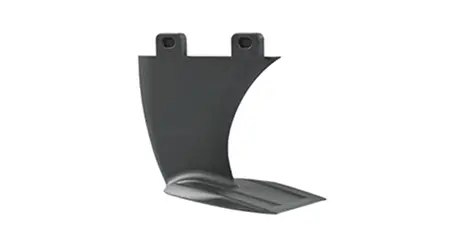
Decapagem abrasiva que remove as impurezas da superfície e dá uma textura uniforme e mate. Também melhora a aderência da tinta ou do revestimento.

Acrescenta cor e melhora o aspeto, ao mesmo tempo que oferece proteção adicional contra a corrosão e o desgaste. Frequentemente utilizado para a criação de marcas ou para satisfazer requisitos de design específicos.

Proporciona um acabamento básico e funcional para produtos de fundição injectada com superfícies relativamente lisas e pequenas marcas de ferramentas, adequado para aplicações não cosméticas.
Prós e contras da fundição injectada
A elevada relação resistência/peso reduz a carga total
A camada de óxido natural protege contra a ferrugem e a degradação
O material reciclável 100% apoia os objectivos de sustentabilidade
Compatibilidade com a ranhura em T e métodos de união simples
Perfis complexos possíveis num único processo de extrusão
Custos de maquinagem mais baixos em comparação com os blocos de alumínio maciço
O fabrico de matrizes exige um investimento inicial
O fabrico de matrizes requer um investimento inicial As linhas de extrusão podem necessitar de acabamento ou polimento
As alterações de conceção necessitam de novas ferramentas
As alterações de conceção necessitam de novas ferramentas
A montagem e o corte criam material de refugo
A capacidade da prensa limita as dimensões máximas do perfil
Prós e contras da fundição injectada
Die cast components have a high strength-weight ratio which means that the total load is minimized without compromising on durability. This makes them suit the automotive and aerospace industries where weight and strength are critical.
The die-cast metals are ideal in harsh or outdoor environment applications because of the natural oxide that forms on them which helps them to resist rust and degradation.
Die-cast metals are recyclable with 100% and this will be helpful in fulfilling sustainability as it reduces waste and makes them environmental friendly.
Die- cast Parts are compatible with T-slot and can be quickly assembled with straightforward joining techniques which aids in saving on production time and costs.
Die casting is capable of producing compound outlines in one extrusion, and it provides design freedom that is best in components with complicated designs.
Lower machining costs compared to solid aluminum blocks, making it a more affordable option for high-volume production runs.
Initial cost of tooling and molds may be expensive. The price, however, is compensated by the efficiency and savings in large volume production runs..
Die-cast components may contain surface run-offs and may need a finish or polishing. This may introduce more time and expense particularly on parts whose surface is visible.
The die cast process can be influenced by design modifications and this may need new tooling to ensure quality; this will incur unnecessary additional cost and time..
Once tooling is made, shape modifications can be difficult. Significant design changes may require new tooling, which increases the overall cost.
Setup and trimming create scrap material, leading to some waste, though this can be minimized with optimized designs and processes.
Die casting press capacity limits the maximum part dimensions that can be produced. Larger parts may need additional processes or different methods.
Perguntas frequentes
What is die cast minimum order quantity (MOQ)?
Our orders are taken in quantities of 500 and above and can accommodate thousands of parts in large scale production.
What are the die casting processes that you have to offer?
Our specialization is in the hot chamber, cold chamber and semi-solid die casting procedures to satisfy various project demands.
What is the material you can use to die cast?
We have aluminum, zinc, magnesium and custom alloys that can be used in different ways, so we can find you the correct material to use in your project.
What is the lead time of the die casting project?
The standard lead times are 20 -25 days and this determines the complexity of the design and the quantity of the order.
Are you able to cope with intricate part geometries?
Yes, we are experts in the manufacturing of components with complex geometry and tight tolerances, which give accuracy to complicated designs.
What industries do you serve?
Our industries include automotive, aerospace, medical, robotics, and others with a custom-made solution to each industry.
Are die-cast components environmental friendly?
Yes, die-cast metals can be 100 percent recyclable which helps in the sustainability efforts and mitigating environmental effects.
What do you do to control the quality?
CMM ( Coordinate Measuring Machines ) are used, optical scanners and micrometers are used to ascertain the dimensional accuracy and high-quality standards.
Is it possible to present prototypes prior to mass production?
Yes, we do provide rapid prototyping services that we use to test designs and functionality before commencing large scale production.
What is the benefit of die casting compared to other production processes?
Die casting provides high accuracy, multifaceted production of parts, cost effectiveness in high volume and high level of corrosion and is thus suitable in highly demanding applications.
 English
  简体中文
简体中文  Español
  Deutsch (Sie)
  日本語
日本語  Português