
Serviço de moldagem por inserção
Prestamos serviços profissionais de moldagem com inserções, integrando inserções metálicas em plásticos moldados com precisão para produzir componentes resistentes, duradouros e prontos para montagem, destinados a diversos setores. O nosso processo permite tanto a prototipagem rápida como a produção em grande escala, com qualidade e precisão consistentes. Inserções metálicas em plásticos moldados para peças robustas e duradouras, adequadas a vários setores.
- Fabrico certificado e de alta qualidade – as normas ISO 9001:2015, ISO 13485, ISO 14001:2015 e IATF 16949:2016 garantem precisão, fiabilidade e conformidade
- Produção rápida e com custos transparentes – Preços internacionais de protótipos com taxas aduaneiras incluídas, com entrega de protótipos e peças de produção em poucos dias
- Escalabilidade do protótipo à produção – Tolerâncias rigorosas, qualidade repetível e transição harmoniosa da fase de prototipagem para a produção em série
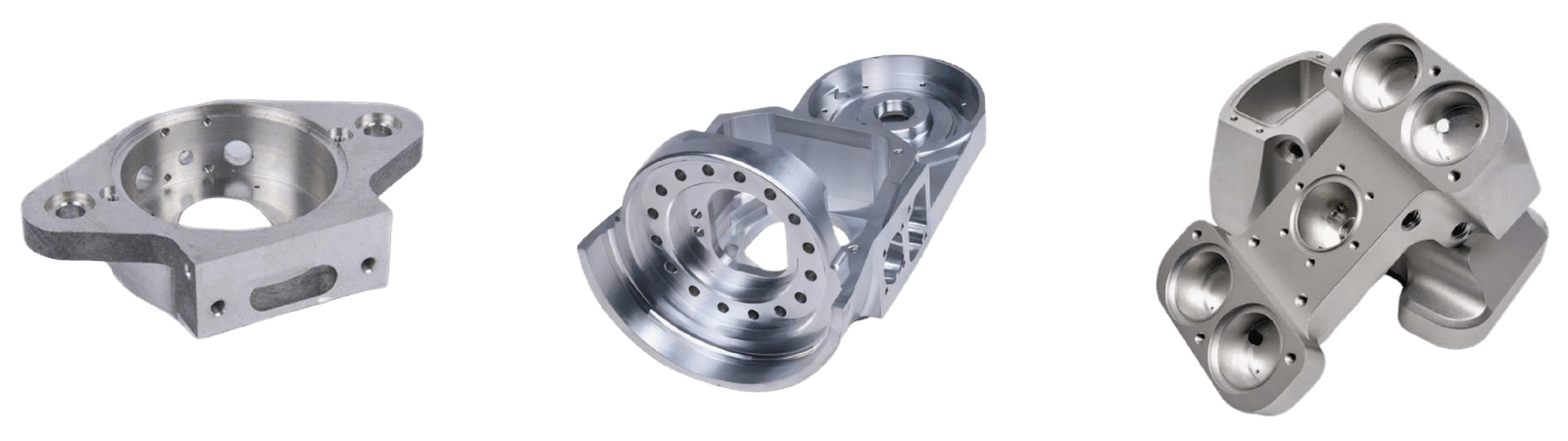

Dê vida às suas ideias de produtos de forma rápida e precisa com os nossos serviços especializados de criação de protótipos.
Por que escolher a Lewei Precision para serviços de moldagem por inserção
A Lewei Precision fornece soluções fiáveis serviços de moldagem por injeção Concebido para engenheiros, equipas de produto e fabricantes que necessitam de componentes plásticos resistentes, precisos e prontos para a produção. A nossa experiência, os nossos processos certificados e a nossa abordagem orientada para a engenharia garantem uma qualidade consistente, desde a prototipagem até à produção em grande escala.
Colocação precisa de insertos
O posicionamento preciso das inserções metálicas e personalizadas garante uma resistência superior, repetibilidade e consistência dimensional em todas as peças moldadas.
Os serviços de moldagem por inserção flexível permitem a produção de protótipos em pequenos volumes, ferramentas de transição e produção em grande escala, sem necessidade de mudar de fornecedor.
Engenheiros experientes fornecem feedback sobre a conceção orientada para a produção, orientação sobre a compatibilidade de materiais e otimização de moldes, com vista a reduzir riscos e custos.
O que é a moldagem por inserção?
Moldagem por inserção trata-se de um processo especializado de moldagem por injeção em que inserções metálicas, plásticas ou de engenharia são colocadas na cavidade do molde antes da injeção do plástico fundido. Durante a moldagem, o plástico flui à volta do inserto e solidifica, criando uma ligação forte e permanente sem necessidade de montagem secundária. Ao contrário da moldagem por injeção tradicional, que produz peças totalmente em plástico, os serviços de moldagem com inserção permitem que vários materiais sejam combinados num único componente funcional numa única etapa de fabrico.
Ao encapsular permanentemente os insertos durante a moldagem, os serviços de moldagem com insertos proporcionam peças com maior resistência mecânica, melhor resistência ao desgaste e um desempenho elétrico ou estrutural fiável. O processo reduz o peso das peças em comparação com componentes totalmente metálicos, ao mesmo tempo que aumenta a durabilidade em relação às peças montadas. Estas vantagens funcionais e estruturais tornam a moldagem com inserções uma solução ideal para aplicações que exigem precisão, fiabilidade a longo prazo e desempenho pronto para produção em setores como o automóvel, a eletrónica, os dispositivos médicos e o equipamento industrial.
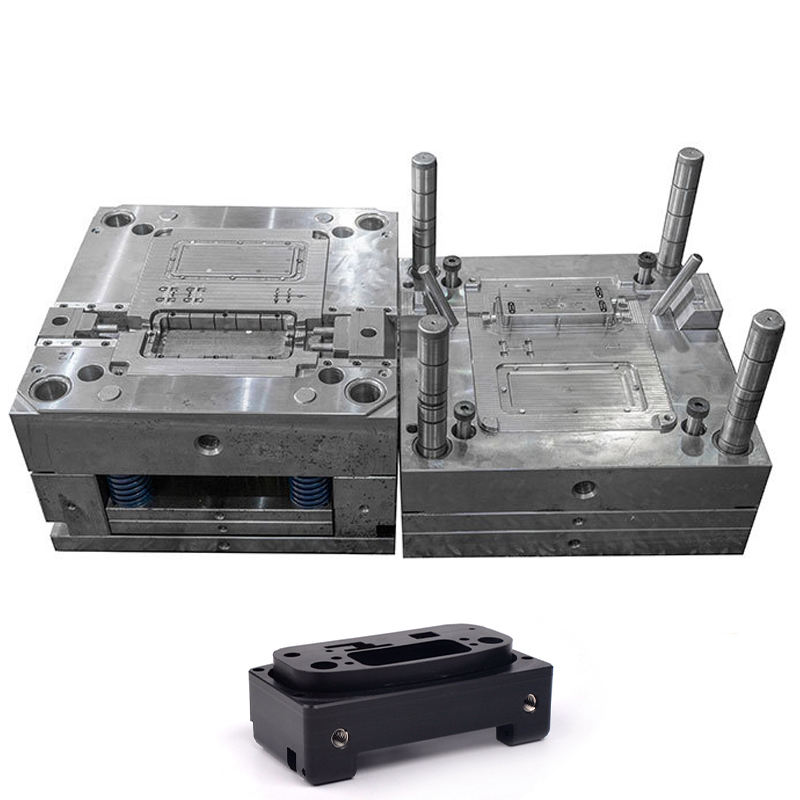
Opções de acabamento superficial para serviços de moldagem por inserção
Os acabamentos superficiais desempenham um papel importante tanto na aparência como no desempenho das peças moldadas com inserção. Com serviços profissionais de moldagem com inserção, os acabamentos superficiais podem ser obtidos diretamente através das texturas do molde ou aplicados após a moldagem, para melhorar a durabilidade, a estética e a funcionalidade. O acabamento adequado ajuda a melhorar a resistência ao desgaste, a aderência, a proteção contra a corrosão e o apelo geral do produto, sem comprometer a integridade da peça.

Obtenido diretamente a partir de superfícies de molde polidas, ideal para peças limpas e de uso cosmético que exijam um aspeto uniforme.

As texturas aplicadas por moldagem melhoram a aderência, reduzem o brilho e disfarçam pequenas marcas na superfície dos componentes visíveis.

Uma superfície de baixo brilho que confere um aspeto requintado, minimizando simultaneamente as impressões digitais e os reflexos na superfície.

Aplicado após a moldagem para realçar a cor, proteger a superfície e aumentar a resistência às condições ambientais.

As inserções metálicas podem ser revestidas para melhorar a resistência à corrosão, a condutividade ou o aspeto visual.

Marcações permanentes e de alta precisão para identificação de peças, marcação de marca ou rastreabilidade, sem afetar as dimensões.
Processo de moldagem por inserção na Lewei Precision
Preparação e colocação do implante
As inserções metálicas ou personalizadas são posicionadas com precisão no molde através de dispositivos de fixação ou de sistemas automatizados, de modo a garantir um alinhamento preciso e resultados repetíveis.
Injeção de plástico e encapsulamento
O termoplástico fundido é injetado em condições controladas, fluindo uniformemente à volta do inserto para o encapsular totalmente.
Arrefecimento e formação de ligações
O plástico arrefece e solidifica, formando uma ligação mecânica e térmica resistente que fixa a inserção de forma permanente.
Ejeção de peças e controlo de qualidade
As peças acabadas são ejetadas e inspecionadas quanto à precisão dimensional, à integridade das inserções e ao cumprimento das tolerâncias.
Soluções de maquinagem CNC
Protótipos e Fabrico Rápido de Ferramentas
O nosso serviços de moldagem por injeção Permitem uma validação rápida e testes numa fase inicial, recorrendo a ferramentas de alumínio com boa relação custo-benefício. Esta opção é ideal para protótipos, verificação do projeto e séries de produção curtas, ajudando-o a reduzir os custos iniciais e a acelerar o tempo de lançamento no mercado.
Capacidade: Volumes baixos a médios
Prazo de entrega: Tempo de resposta rápido para compilações de validação
Ferramentas de produção
Para a produção em grande escala, fornecemos moldes de aço resistentes, concebidos para uma utilização a longo prazo e em grandes volumes serviços de moldagem por injeção. Estas ferramentas garantem uma qualidade consistente, tolerâncias rigorosas e um desempenho fiável ao longo de ciclos de produção prolongados.
Capacidade: Produção de grande volume
Prazo de entrega: Otimizado para repetibilidade e eficiência

Materiais para Moldagem de inserções
Plásticos
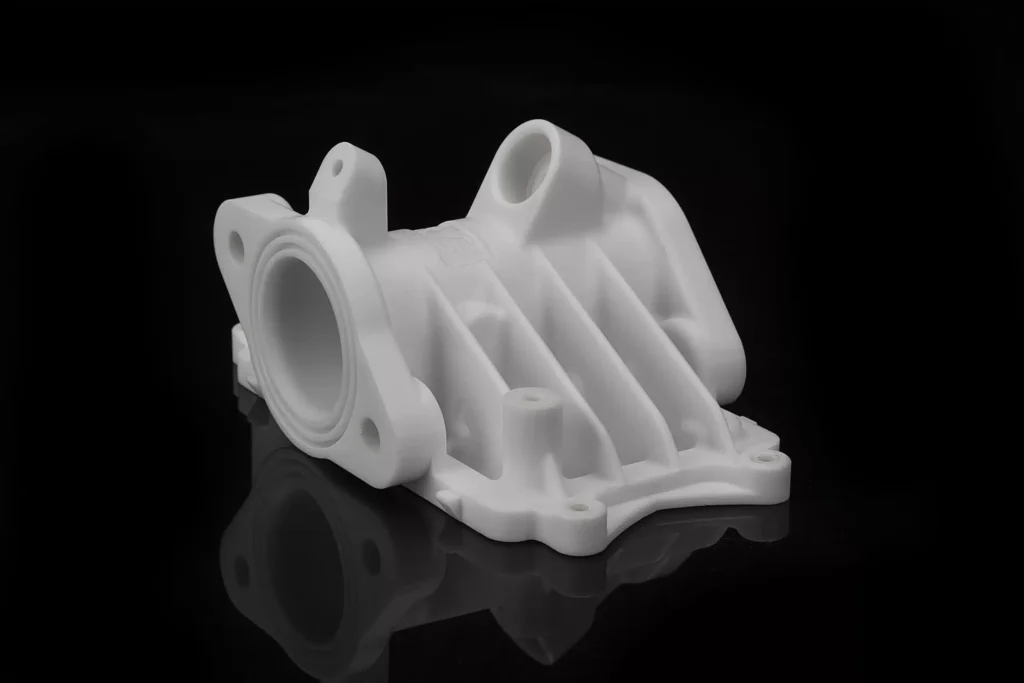
O ABS é forte, durável e oferece boa resistência ao calor e ao impacto. É preferido para componentes automóveis e bens de consumo.
ABS Bege (Natural)
ABS preto
ABS preto anti-estático
ABS Branco leitoso
ABS+PC Preto
ABS+PC Branco
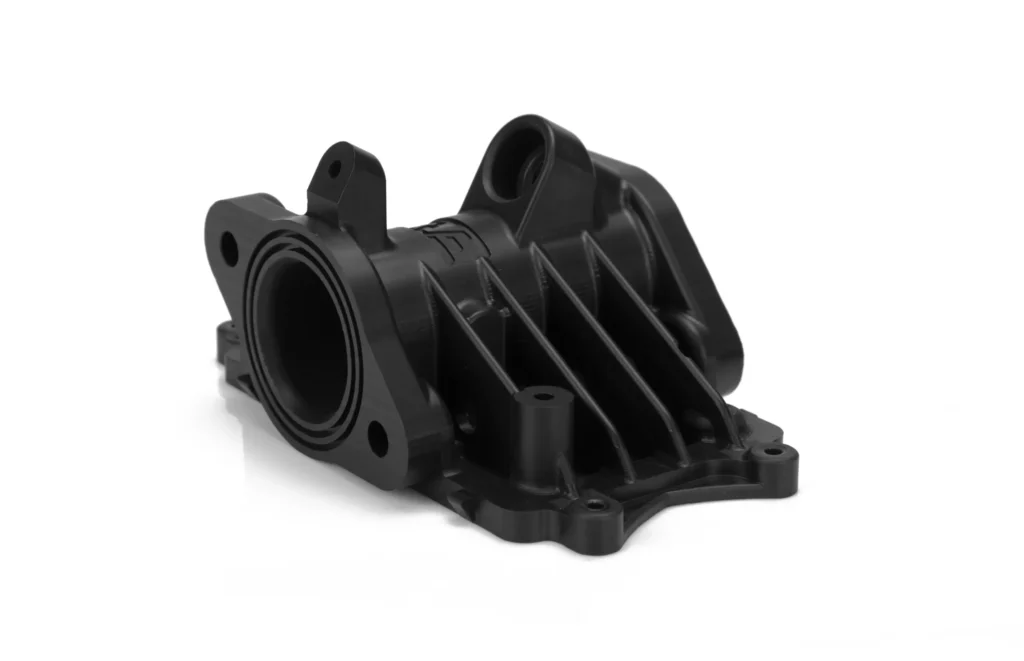
O policarbonato é extremamente durável e tem uma elevada resistência ao impacto, juntamente com uma excelente clareza, sendo utilizado para vidro à prova de bala e equipamento de proteção.
PC Preto
PC Transparente
PC Branco
PC Branco amarelado
PC+GF30 Preto
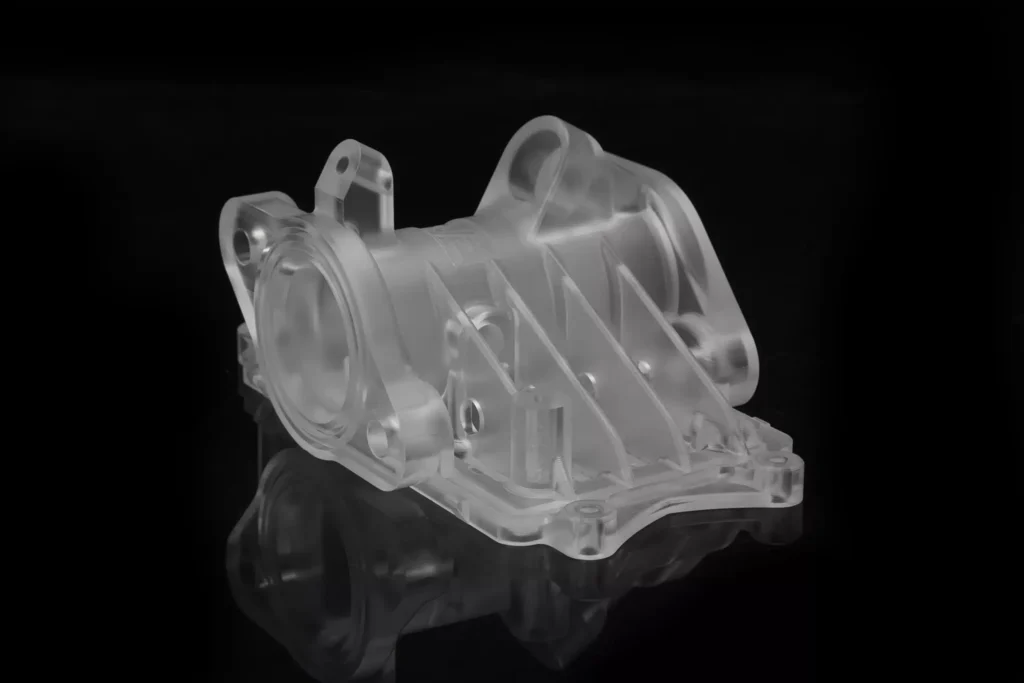
O PMMA, ou acrílico, é conhecido pela sua clareza cristalina e resistência às intempéries, o que o torna ideal para instalações exteriores e vitrinas.
PMMA Preto
PMMA Transparente
PMMA Branco
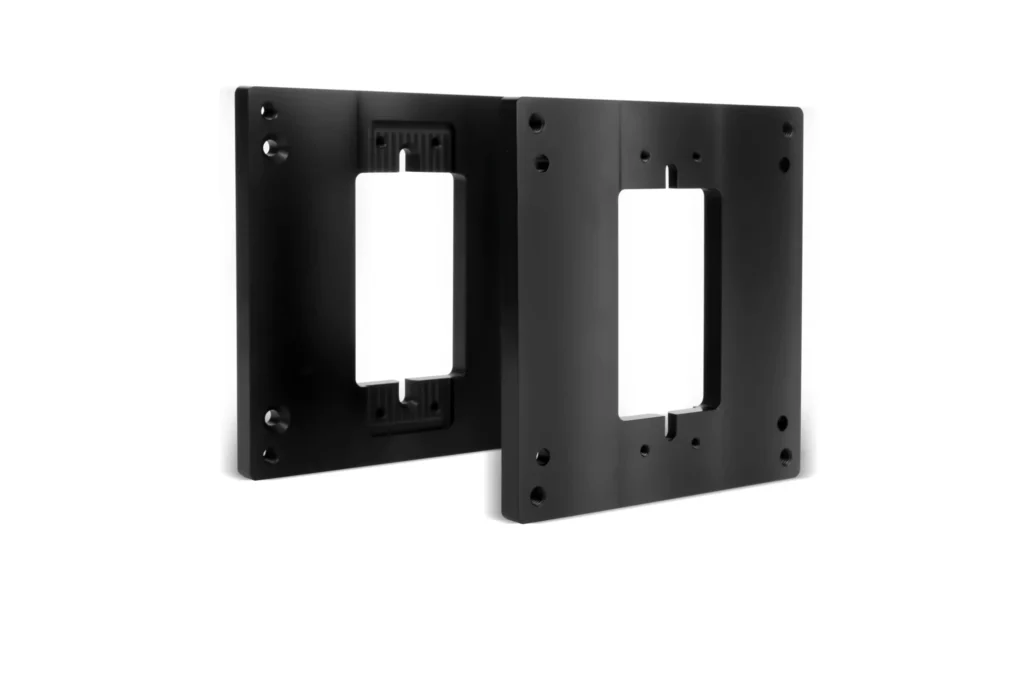
O POM é resistente, com uma superfície de baixa fricção e boa estabilidade dimensional, perfeito para peças de precisão em aplicações mecânicas.
Castanho escuro (café) POM 100AF
POM Preto
Azul POM
POM Branco
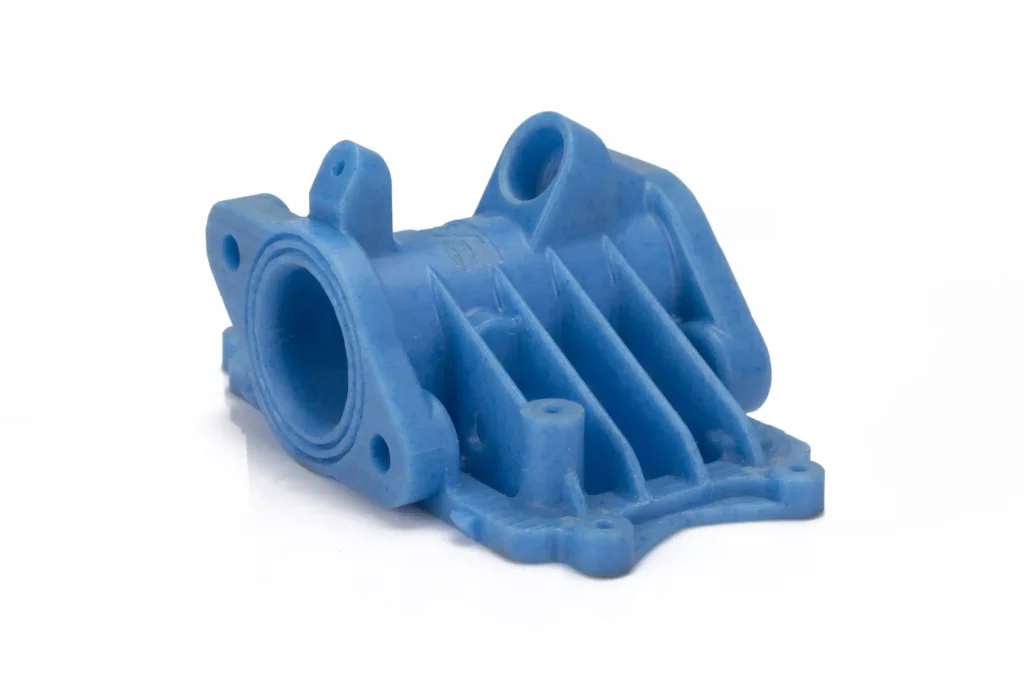
O nylon é versátil, forte e tem uma boa resistência ao atrito, sendo normalmente utilizado em engrenagens, rolamentos e outras superfícies resistentes ao desgaste.
PA(Nylon) Azul
PA6 (Nylon)+GF15 Preto
PA6 (Nylon)+GF30 Preto
PA66 (Nylon) Bege (Natural)
PA66 (Nylon) Preto
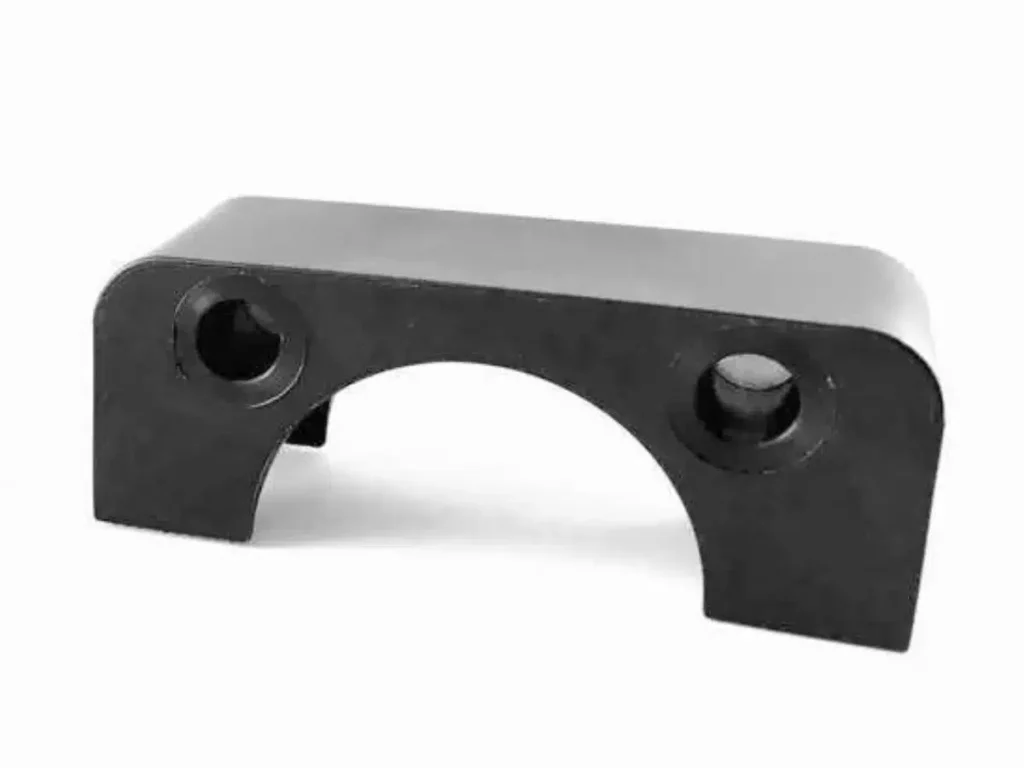
O polietileno é leve e tem uma elevada resistência ao impacto, sendo muito utilizado em embalagens e contentores.
PE Preto
PE Branco
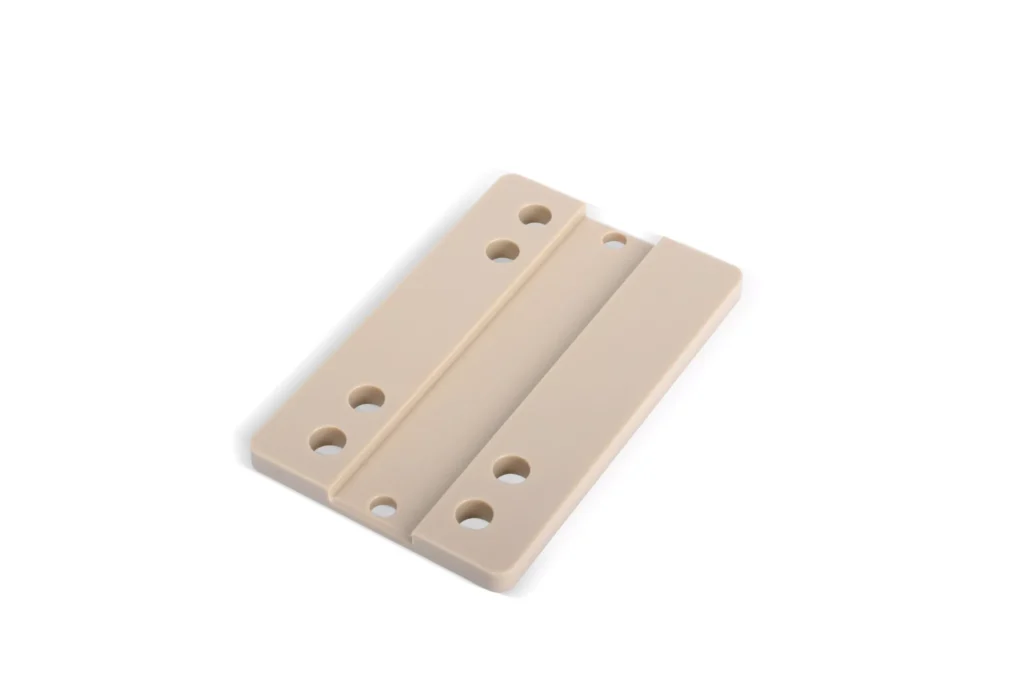
O PEEK é conhecido pela sua resistência e força a altas temperaturas, sendo frequentemente utilizado na indústria aeroespacial e no fabrico de implantes médicos.
PEEK Bege (Natural)
PEEK Preto

O polipropileno é resistente, tem uma excelente resistência química e é utilizado em peças para automóveis, contentores e embalagens.
PP Preto
PP Branco
PP+GF30 Preto
Moldagem por inserção vs. sobremoldagem
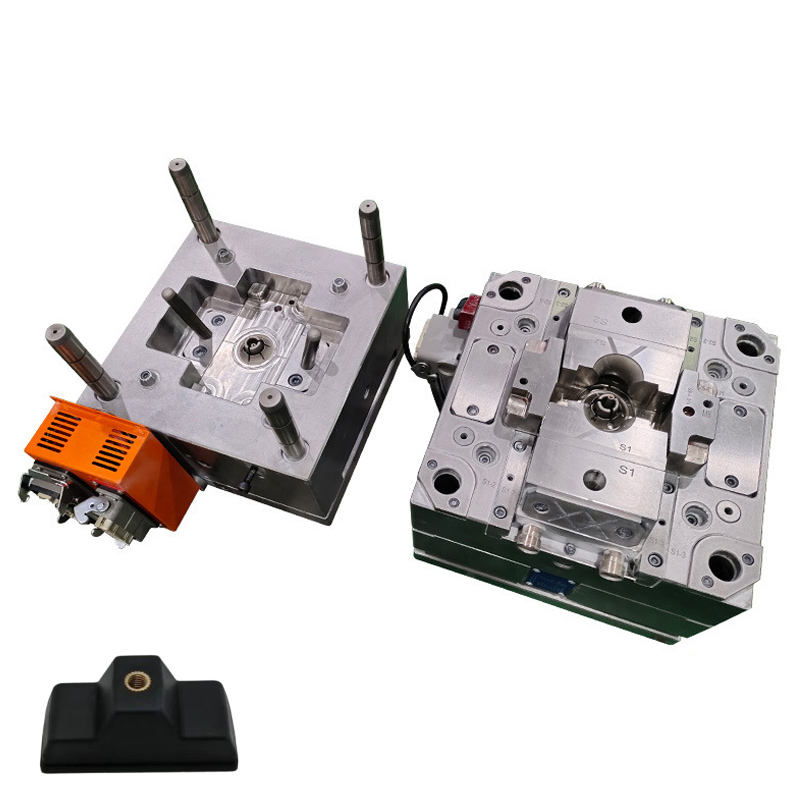
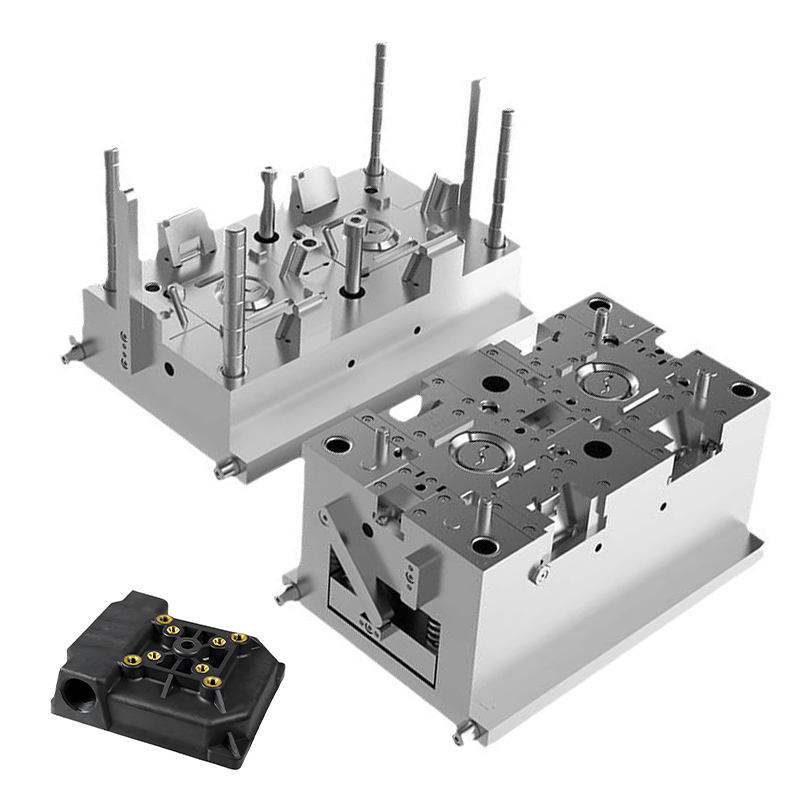
Escolher entre serviços de moldagem por injeção e a sobremoldagem depende da função da peça, dos requisitos dos materiais, do volume de produção e dos objetivos de desempenho. Embora ambos os processos combinem vários materiais, servem a finalidades de fabrico diferentes.
| VS | Moldagem por inserção | Sobremoldagem |
|---|---|---|
| Tipo de processo | As peças de encaixe (de metal ou plástico) são colocadas no molde antes da injeção | Um segundo material é moldado sobre um substrato de plástico já existente |
| Objetivo principal | Resistência estrutural, capacidade de suporte de cargas e reforço funcional | Melhoria na aderência, na estanqueidade, no conforto ou na estética |
| Requisitos de montagem | Não é necessária qualquer montagem secundária | Normalmente, requer um processo de moldagem em duas etapas |
| Combinação de materiais | Plástico moldado em torno de inserções metálicas ou rígidas | Materiais macios (TPE, borracha) moldados sobre plásticos rígidos |
| Resistência mecânica | Elevada resistência e durabilidade graças às inserções incorporadas | Resistência moderada, com maior ênfase na funcionalidade da superfície |
| Resistência ao desgaste e à corrosão | Excelente para inserções roscadas, buchas e elementos de fixação | Não adequado para armaduras roscadas |
| Complexidade do projeto | Limitado pela disposição dos insertos e pelo desenho do molde | Maior liberdade de design para texturas e elementos com toque suave |
| Eficiência na produção | O processo de produção em uma única etapa reduz a mão-de-obra e os custos | O processo de múltiplos disparos aumenta o tempo de preparação das ferramentas e o tempo de ciclo |
| Aplicações típicas | Caixas roscadas, conectores elétricos, componentes de sensores | Cabo de ferramentas, punhos, vedantes, juntas, produtos de consumo |
| Melhor caso de utilização | Peças funcionais, estruturais e de suporte de carga | Melhorias ergonómicas, de proteção ou estéticas |
Sobremoldagem Capacidades
O EDM de fio da Lewei Precision, parte dos nossos serviços CNC, cria eficazmente formas simples e complexas. Ideal para peças que requerem alta precisão, este método sem contacto produz rebarbas mínimas e é excelente com metais como o aço e o titânio. Favorecido na indústria aeroespacial, automóvel e eletrónica pela sua precisão, garantimos soluções personalizadas e precisas, independentemente das suas necessidades.
Capacidade
Detalhes/Especificações
Compatibilidade de materiais
Aço inoxidável, titânio, alumínio, aço para ferramentas, cobre
Tolerância
± 0,0001 polegadas (0,0025 mm) ou melhor (com base no material e na espessura)
Tamanho máximo da peça de trabalho
Comprimento: 16 polegadas (400 mm)
Largura: 12 polegadas (300 mm)
Altura: 8 polegadas (200 mm)
Velocidade de corte
Até 300 mm2/min (dependendo do material e da espessura)
Acabamento da superfície
Tão fino quanto Ra 0,2 µm
Espessura máxima de corte
Até 12 polegadas (300 mm) - varia consoante o material
Gama de diâmetros do fio
0,004 polegadas (0,1 mm) a 0,012 polegadas (0,3 mm)
Gama de diâmetros do fio
0,004 polegadas (0,1 mm) a 0,012 polegadas (0,3 mm)
Gama de diâmetros do fio
0,004 polegadas (0,1 mm) a 0,012 polegadas (0,3 mm)
Vantagens
Vantagens da maquinagem de precisão
Os serviços de moldagem com inserções oferecem vantagens evidentes em termos de fabrico e desempenho, ao integrarem inserções diretamente nas peças de plástico moldadas, eliminando etapas adicionais de montagem e, ao mesmo tempo, melhorando a resistência e a fiabilidade.
- Elimina a montagem secundária As inserções são moldadas diretamente na peça, reduzindo a mão-de-obra, o tempo de montagem e os potenciais pontos de falha.
- Melhora a resistência mecânica e a durabilidade As inserções metálicas ou de engenharia reforçam os componentes de plástico, aumentando a capacidade de carga e a integridade estrutural.
- Reduz o tamanho e o peso das peças A moldagem por inserção substitui peças volumosas totalmente metálicas por híbridos leves de plástico e metal, sem comprometer o desempenho.
- Aumenta a vida útil das roscas e a resistência ao desgaste As roscas metálicas e as buchas incorporadas melhoram a resistência da fixação e a resistência ao uso repetido.
- Melhora a fiabilidade a longo prazo A ligação permanente entre o inserto e o plástico garante um desempenho consistente sob tensão, vibração e calor.
- Suporta projetos complexos com vários materiais Os serviços de moldagem por inserção permitem a integração de vários materiais num único componente funcional.
Aplicações
Aplicações da maquinagem de precisão
Os serviços de moldagem por inserção são amplamente utilizados em diversos setores que necessitam de componentes resistentes, precisos e prontos para montagem.
- Caixas roscadas Caixas de plástico com roscas metálicas integradas para uma fixação segura e montagem repetida.
- Conectores elétricos Contactos e terminais moldados por injeção para garantir uma condutividade e um isolamento fiáveis.
- Componentes do sensor Caixas e suportes de precisão que protegem os componentes eletrónicos sensíveis e garantem um alinhamento preciso.
- Conjuntos de plástico reforçado Peças de plástico reforçadas com inserções metálicas para aplicações que envolvem suporte de carga.
- Peças mecânicas resistentes ao desgaste Buchas, mangas e superfícies de contacto concebidas para garantir durabilidade e reduzir o atrito.
- Híbridos estruturais de plástico e metal Componentes leves, mas resistentes, que combinam as vantagens do plástico e do metal.
Controlo de Qualidade e Inspeção para Serviços de Moldagem por Inserção


Na Lewei Precision, o controlo de qualidade está integrado em todas as fases dos nossos serviços de moldagem com inserções, para garantir um desempenho consistente e resultados fiáveis. Antes do início da produção, cada molde é submetido a uma inspeção pré-produção exaustiva para verificar a precisão do molde, o encaixe dos insertos e a preparação do processo antes da amostragem. Durante a produção, são realizadas inspeções em fase de produção para monitorizar a colocação dos insertos, a consistência da moldagem e a estabilidade dimensional, ajudando a manter tolerâncias rigorosas e a prevenir defeitos em tempo real.
Antes do envio, todas as peças moldadas por injeção com inserção são submetidas a uma validação final, que inclui verificações dimensionais, inspeção visual e testes funcionais, para confirmar a conformidade com as especificações de projeto. Para garantir total transparência e rastreabilidade, fornecemos relatórios de inspeção, certificados de materiais e documentação de conformidade, mediante pedido. Esta abordagem estruturada à qualidade assegura que os nossos serviços de moldagem por inserção cumprem as normas do setor e fornecem, sempre, componentes fiáveis e prontos para produção.
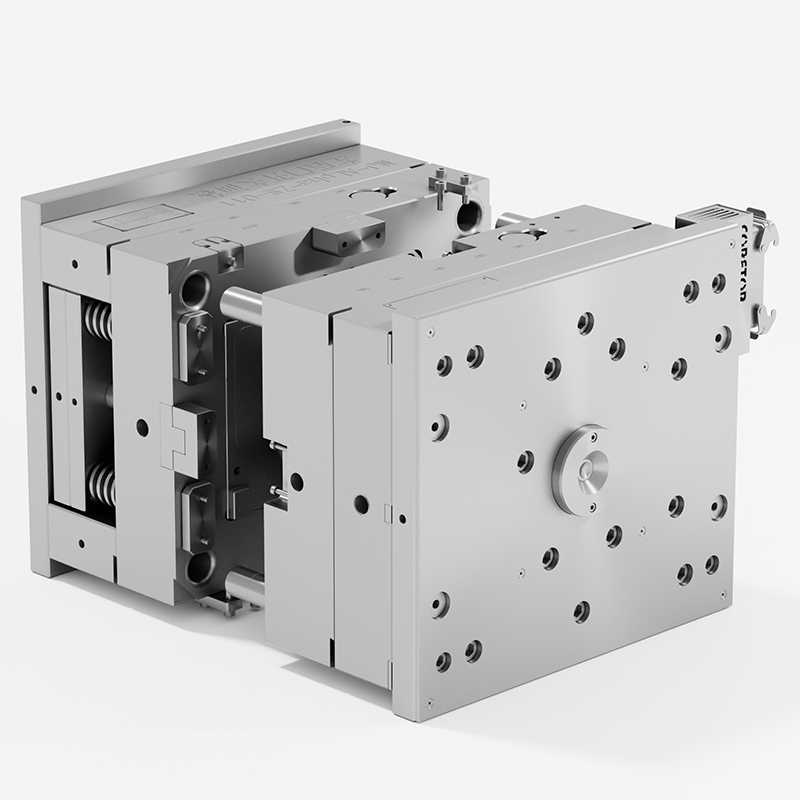
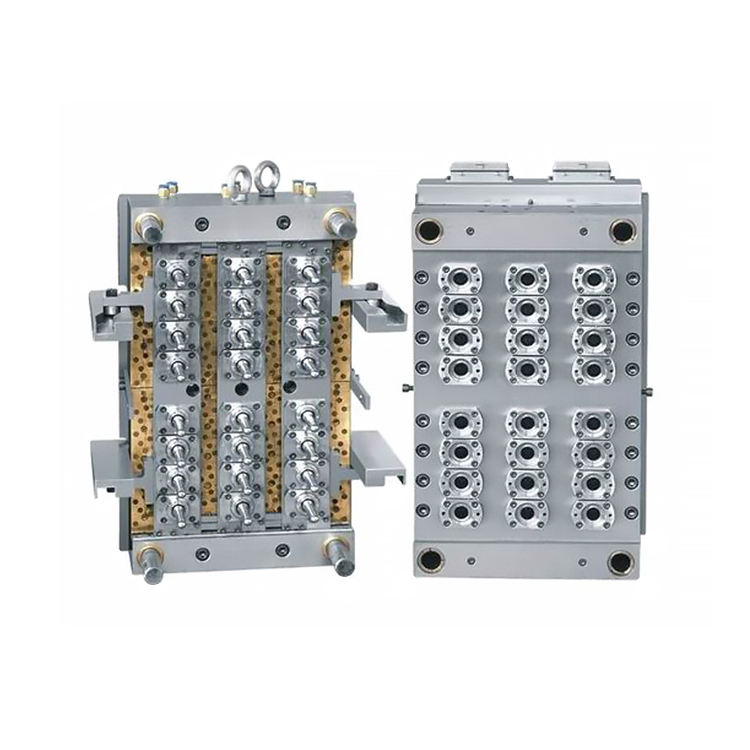
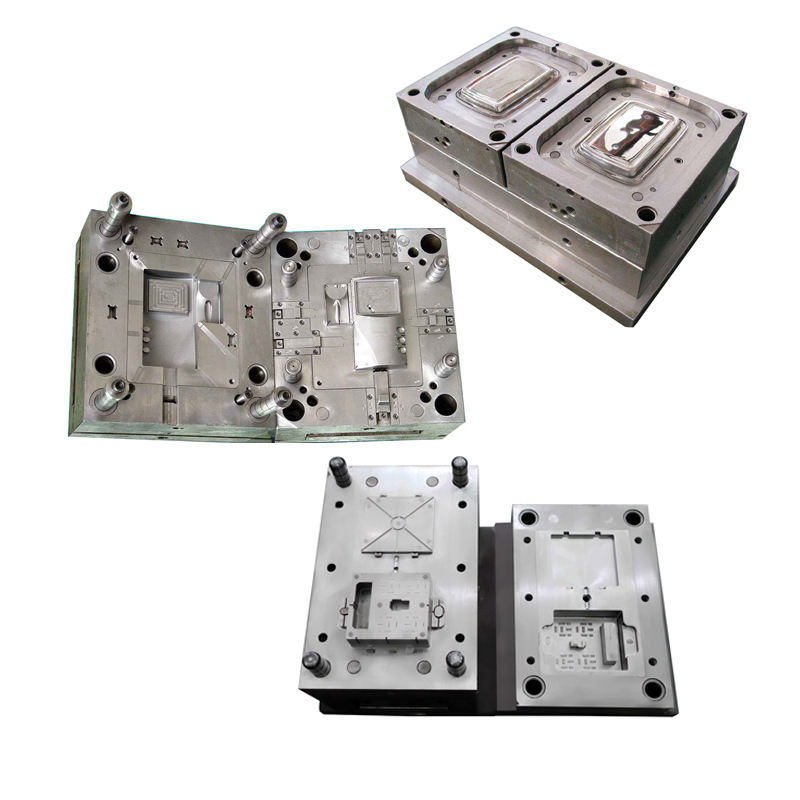
Sobremoldagem vs Moldagem por inserção
FAQs sobre maquinagem CNC
O que é a moldagem por inserção e quais são as suas vantagens?
A moldagem por inserção é um processo de moldagem por injeção em que um componente metálico ou pré-moldado (inserção) é colocado no interior da cavidade do molde e o plástico é injetado à sua volta para se unir a ele, formando uma única peça. As vantagens incluem a redução dos custos de montagem, componentes mais resistentes, melhor condutividade elétrica e pontos de fixação roscados integrados nas peças de plástico.
Que tipos de inserções pode a Lewei Precision integrar durante o processo de moldagem?
Realizamos moldagem em torno de inserções roscadas de latão, pinos de aço, contactos elétricos, terminais, buchas, rolamentos, ímanes, placas de circuito impresso, sensores e componentes usinados à medida por CNC. Aceitamos tanto inserções padrão de catálogo como inserções usinadas à medida.
Em que medida é que a moldagem com inserção se compara à montagem pós-moldagem com inserções roscadas?
A moldagem com inserções produz uma ligação mais resistente e permite poupar nos custos de mão-de-obra associados à instalação das inserções após a moldagem. Além disso, elimina o risco de as inserções se soltarem com o passar do tempo. Para a produção em grande volume, a moldagem com inserções apresenta normalmente o custo total mais baixo, apesar da maior complexidade do equipamento de moldagem.
Que materiais são normalmente utilizados na moldagem com inserção na Lewei Precision?
As resinas plásticas mais comuns incluem o nylon, o policarbonato, o ABS, o PBT, o PPS e as variantes reforçadas com fibra de vidro. As inserções metálicas mais comuns são em latão (CDA 360), aço inoxidável e aço de fácil usinagem. Combinamos a resina e o material da inserção com base nos requisitos de expansão térmica e resistência de união.
A Lewei Precision pode fornecer tanto as pastilhas como as peças moldadas, como parte de um serviço completo?
Sim. Fabricamos internamente inserções personalizadas por CNC, adquirimos inserções roscadas padrão e realizamos a produção por moldagem de inserções, tudo sob o mesmo teto. Esta solução de fonte única melhora o controlo de qualidade e reduz o prazo de entrega global.
Que setores recorrem habitualmente aos serviços de moldagem com inserção?
A moldagem por inserção é utilizada na indústria automóvel (caixas de sensores, conectores), na indústria eletrónica (caixas para placas de circuito impresso, interruptores), em dispositivos médicos (cabo com metal incorporado), em produtos de consumo (cabo de facas, caixas de ferramentas) e em equipamento industrial (componentes de plástico roscados).
 English
  简体中文
简体中文  Español
  Deutsch (Sie)
  日本語
日本語  Português