 Skip to content
Are you trying to weld metal parts outdoors in windy conditions? Or maybe you need to join thick steel beams on a construction site? Traditional welding methods might let you down in these situations. That’s where flux welding comes in.
Flux welding is a special type of arc welding that uses a protective material called “flux” instead of gas to shield the weld pool. This makes it perfect for outdoor work, windy environments, and situations where carrying gas tanks isn’t practical.
In this guide, you’ll learn everything about flux welding. We’ll cover what it is, how it works, the three main types, and when to use each one. You’ll also discover cost comparisons, common mistakes to avoid, and expert tips to help you choose the right method for your project.
Whether you’re a beginner welder or looking to expand your skills, this guide will give you the knowledge you need.
What Is Flux Welding?
Flux welding is a group of arc welding processes that use a special protective material called flux. The flux shields the molten metal from air during welding.
When you weld metal, it gets extremely hot and melts. This molten metal can react with oxygen and nitrogen in the air. These reactions create weak, brittle welds with holes (called porosity). That’s bad news for any welding project.
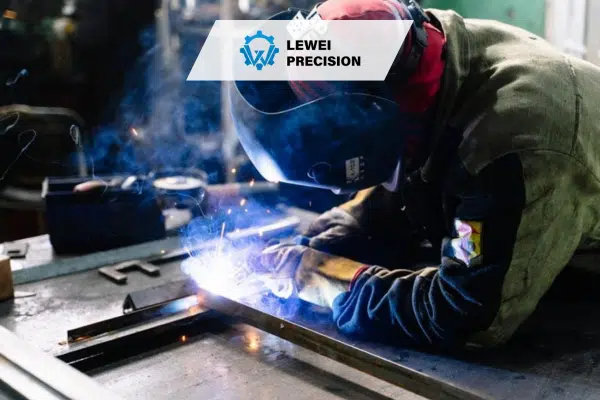
Flux solves this problem. It melts on top of the weld pool and creates a protective layer called slag. This barrier keeps harmful air elements away from the hot metal. The result? Stronger, cleaner welds that last longer.
Flux definition welding: In welding terms, flux is a chemical cleaning agent that protects the weld zone from atmospheric contamination and helps remove impurities from the metal.
Real-World Example
Think of flux like a protective shield. Imagine you’re cooking on a hot grill outdoors on a windy day. The wind keeps blowing ash and debris onto your food. Flux works like a lid that covers your food and keeps it clean while it cooks.
Pro Tip: Flux welding works great in outdoor construction sites where wind makes traditional gas-shielded welding difficult. Companies like Bechtel and Fluor Corporation use flux welding methods for major infrastructure projects in 2024.
What Is Flux in Welding?
Flux is a chemical compound that does two important jobs during welding:
- Protects the weld pool from oxygen, nitrogen, and other elements in the air
- Cleans the metal by removing impurities and oxides
Common flux materials include:
- Borax (sodium tetraborate)
- Hydrochloric acid compounds
- Zinc chloride
- Calcium fluoride
- Silica-based compounds
- Magnesium carbonate
When flux gets hot during welding, it melts and forms a liquid layer on top of the weld pool. As it cools, this liquid becomes solid slag. You need to chip away this slag after welding to reveal the clean weld underneath.
How Does Flux Welding Work?
Flux welding follows the same basic process as other arc welding methods. But it has one key difference: it uses flux instead of gas for protection.
Here’s the step-by-step process:
- Electric arc creation: An electric arc forms between the workpiece (the metal you’re welding) and the electrode (welding wire or rod). This arc reaches temperatures up to 7,000°F.
- Metal melts: The extreme heat melts both the workpiece and the electrode, creating a pool of liquid metal.
- Flux activates: The flux (either inside the electrode, coated on it, or applied to the joint) also melts from the heat.
- Protection forms: The melted flux floats on top of the weld pool, creating a protective barrier against air.
- Cooling and solidification: As the weld cools, the flux hardens into slag. The metal underneath is now joined together.
- Slag removal: After cooling completely, you chip away the slag to reveal the finished weld.
The Science Behind It
The flux creates a chemical reaction that’s fascinating. When it melts, it becomes less dense than the molten metal. This means it naturally floats to the top, like oil on water. It also absorbs impurities from the metal, pulling them away from the weld zone.
Flux Welding vs Gas Welding: Key Differences
Many people confuse flux welding with gas welding. They’re completely different processes. Let’s clear up the confusion.
What Is Gas Welding?
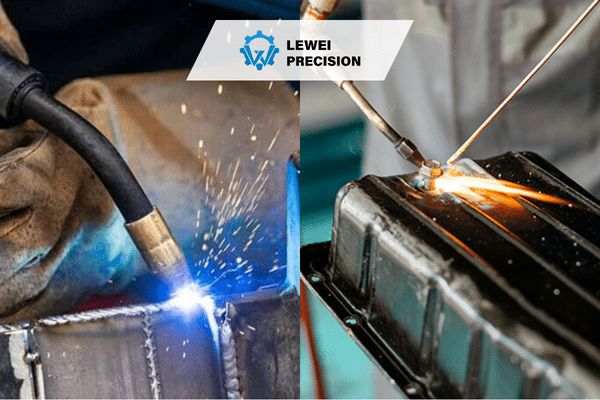
Gas welding (also called oxy-fuel welding or oxy-acetylene welding) uses a flame from burning gas to melt metal. The most common type burns acetylene gas mixed with oxygen. The flame reaches about 6,300°F.
In gas welding, the welder holds a torch that burns fuel gas. They manually feed a filler rod into the flame to add material to the joint. Gas welding works well for thin metals, repairs, and artistic metalwork.
Key Differences Between Flux and Gas Welding
| Feature | Flux Welding | Gas Welding |
| Heat Source | Electric arc (up to 7,000°F) | Burning gas flame (6,300°F) |
| Protection Method | Flux material | None (relies on flame chemistry) |
| Equipment Needed | Welding machine, electrode, flux | Torch, fuel gas, oxygen, filler rod |
| Portability | Needs electricity | Fully portable with gas cylinders |
| Best For | Thick metals, structural work | Thin metals, repairs, artistic work |
| Speed | Faster for thick materials | Slower, more control |
| Skill Level | Moderate to high | High (requires steady hand) |
| Cost | Medium (equipment + flux) | Lower (simple equipment) |
| Outdoor Use | Excellent (flux protects from wind) | Difficult (wind affects flame) |
Which One Should You Use?
Choose flux welding when you need:
- Strong welds on thick metal (over 1/8 inch)
- Work in outdoor or windy conditions
- Faster welding speeds
- Deep penetration into metal
Choose gas welding when you need:
- Precise control on thin metal (under 1/8 inch)
- Repair work or cutting metal
- Portability without electricity
- Artistic or decorative metalwork
Expert Advice: According to the American Welding Society (AWS), flux welding processes accounted for 32% of all industrial welding applications in 2024, particularly in construction and shipbuilding industries.
Types of Flux Welding
There are three main types of flux welding. Each uses flux differently and works best for specific situations.
1. Flux-Cored Arc Welding (FCAW)
FCAW uses a special hollow wire electrode filled with flux powder. As you weld, the wire feeds automatically from a spool, just like MIG welding.
How it works: The wire feeds through a welding gun. When you pull the trigger, the wire touches the metal and creates an arc. The arc melts the wire and the flux inside. The melted flux protects the weld pool as you work.
Two types of FCAW exist:
- Self-shielded FCAW: Uses only the flux for protection (no gas needed)
- Gas-shielded FCAW: Uses both flux and external shielding gas for extra protection
Best for:
- Construction sites and outdoor work
- Welding thick steel (1/4 inch and up)
- Long continuous welds
- Contaminated or rusty surfaces
Real-world example: Ironworkers building skyscrapers in cities like New York and Chicago commonly use FCAW. It works well outdoors and handles the wind between tall buildings. Companies like Turner Construction use FCAW for structural steel assembly in 2024.
Advantages:
- Works great outdoors (self-shielded version)
- Faster than stick welding
- Good on dirty or rusty metal
- Deep penetration for thick materials
Disadvantages:
- Creates more smoke than MIG welding
- Flux-cored wire costs more than solid wire
- Must remove slag after welding
- Requires proper ventilation due to fumes
2. Submerged Arc Welding (SAW)
SAW literally buries the weld arc under a blanket of granular flux. You can’t even see the arc during welding—it’s completely hidden under the flux.
How it works: A machine pours flux powder over the joint before welding starts. Then a wire electrode feeds through the flux pile and creates an arc underneath. The arc melts the metal and the flux. The flux on top prevents any light or sparks from escaping.
Best for:
- Factory production work
- Long, straight welds
- Thick metal plates (over 1/2 inch)
- High-quality welds with minimal defects
Real-world example: Shipyards like Huntington Ingalls Industries use SAW to weld thick steel plates for ship hulls. The process makes very clean, strong welds with high deposition rates. In 2024, SAW remains the preferred method for pressure vessel manufacturing.
Advantages:
- Very high quality welds
- Fast welding speed (high productivity)
- Little smoke or UV light (safer for workers)
- Minimal spatter and sparks
- Can weld very thick materials (up to several inches)
Disadvantages:
- Only works on flat or horizontal surfaces
- Needs expensive automated equipment
- Not portable
- Limited to ferrous metals (iron and steel)
- Excess flux must be collected and reused
Pro Tip: SAW produces deposition rates up to 10 times faster than stick welding. This makes it the go-to choice for high-volume production welding.
3. Shielded Metal Arc Welding (SMAW / Stick Welding)
SMAW, commonly called stick welding, uses a metal rod electrode coated with flux. It’s the oldest and most versatile flux welding method.
How it works: You clamp one cable to your workpiece and hold an electrode holder with the other cable attached. When you strike the electrode on the metal (like striking a match), it creates an arc. The rod melts and the flux coating melts too, protecting the weld.
Best for:
- Repair and maintenance work
- Outdoor construction
- Remote locations without electricity (using generators)
- Dirty, rusty, or painted surfaces
- All positions (flat, vertical, overhead)
Real-world example: Pipeline welders building oil and gas pipelines across rural areas rely on stick welding. It’s portable, works in any weather, and doesn’t need gas tanks. Major pipeline projects in 2024, like those by TC Energy, extensively use SMAW.
Advantages:
- Simple, affordable equipment
- Extremely portable
- Works in any welding position
- Handles windy conditions perfectly
- Can weld dirty or rusty metal
- No shielding gas needed
Disadvantages:
- Slower than other methods
- Requires high skill level
- Frequent electrode changes
- More cleanup (slag removal)
- Lower deposition rate
- More spatter than other processes
Comparison Table: Types of Flux Welding
| Feature | FCAW | SAW | SMAW (Stick) |
| Flux Delivery | Inside wire | Poured on joint | Coated on rod |
| Automation | Semi-automatic | Fully automatic | Manual |
| Portability | Moderate | Low (not portable) | High (very portable) |
| Speed | Fast | Very fast | Slow |
| Skill Required | Moderate | Low (machine does work) | High |
| Equipment Cost | Medium ($1,000-$3,000) | High ($10,000-$50,000+) | Low ($200-$800) |
| Best Position | All positions | Flat and horizontal only | All positions |
| Outdoor Use | Excellent | Poor (needs shelter) | Excellent |
| Metal Thickness | 1/8″ and up | 1/4″ and up | 1/16″ and up |
What Is a Flux Welder Used For?
Flux welders handle a wide variety of jobs across many industries. Here are the most common applications:
Construction Industry
- Welding structural steel beams for buildings
- Joining reinforcing bars (rebar) in concrete
- Installing metal frameworks and supports
- Bridge construction and repairs
Example: The Freedom Tower (One World Trade Center) in New York used thousands of hours of flux welding to join structural steel members. Contractors chose flux welding methods because they work well outdoors at height.
Manufacturing
- Automotive chassis and frame assembly
- Heavy equipment manufacturing
- Pressure vessel fabrication
- Rail car and tanker construction
Example: Caterpillar, a major equipment manufacturer, uses flux welding (especially SAW) to build frames for their bulldozers and excavators. The automated process ensures consistent quality across thousands of units per year.
Pipeline and Energy
- Oil and gas pipeline construction
- Power plant construction
- Offshore platform fabrication
- Storage tank assembly
Example: In 2024, the expansion of natural gas pipelines in Texas involved over 500 welders using stick welding (SMAW) for field joints on hundreds of miles of pipeline.
Shipbuilding
- Hull plate welding
- Deck assembly
- Bulkhead installation
- Structural reinforcement
Repair and Maintenance
- Fixing cracked machinery parts
- Rebuilding worn equipment
- Maintenance on industrial facilities
- Farm equipment repairs
Industry Insight: The Bureau of Labor Statistics reported in 2024 that welders specializing in flux welding methods earn an average of $47,000-$65,000 annually, with experienced pipeline and structural welders earning significantly more.
Materials You Can Flux Weld
Flux welding works on a wide range of metals. Here’s what you can weld:
Ferrous Metals (Containing Iron)
- Carbon steel (most common, easy to weld)
- Stainless steel (requires specific flux-cored wires)
- Cast iron (needs preheat and specific techniques)
- Low alloy steels (used in pressure vessels)
- Tool steel (requires careful heat control)
Non-Ferrous Metals (No Iron)
- Aluminum (possible but challenging)
- Copper (requires high heat)
- Nickel alloys (used in chemical processing)
- High-nickel alloys (aerospace applications)
Material Thickness Range
| Material Thickness | Recommended Method | Notes |
| Under 1/16″ | Not recommended | Too thin for most flux welding |
| 1/16″ to 1/8″ | SMAW (thin electrodes) | Requires skill and low heat |
| 1/8″ to 1/4″ | FCAW or SMAW | Most versatile range |
| 1/4″ to 1″ | FCAW or SAW | FCAW for all positions, SAW for flat |
| Over 1″ | SAW or multiple FCAW passes | May need joint preparation |
| Over 2″ | SAW (in flat position) | Multiple passes required |
Special Considerations for Aluminum
Aluminum flux welding is possible but tricky. Here’s why:
- Aluminum conducts heat very quickly (disperses heat away from weld)
- It forms a tough oxide layer on the surface (prevents good fusion)
- It’s prone to porosity (gas bubbles in the weld)
To successfully flux weld aluminum, you need:
- Special aluminum flux-cored electrodes
- Higher amperage settings than steel
- Clean, oxide-free surfaces
- Skilled operator with aluminum experience
Better alternatives for aluminum: Most welders prefer TIG or MIG welding for aluminum because they’re easier and produce better results.
How to Use a Flux Welder: Step-by-Step Guide
Ready to start flux welding? Follow these steps for safe, quality welds.
Step 1: Safety First
Wear proper protective equipment:
- Auto-darkening welding helmet (shade 10-13)
- Leather welding gloves
- Long-sleeve leather jacket or flame-resistant clothing
- Leather boots with ankle protection
- Safety glasses under your helmet
Prepare your workspace:
- Remove all flammable materials (papers, chemicals, rags)
- Ensure good ventilation (fans, open doors, or exhaust system)
- Keep a fire extinguisher nearby
- Warn others in the area about welding
- Block off area to prevent UV exposure to others

Safety Warning: Welding fumes contain toxic particles that can harm your lungs. Always weld in well-ventilated areas. The Occupational Safety and Health Administration (OSHA) requires adequate ventilation for all welding operations as of 2024.
Step 2: Set Up Your Equipment
For FCAW or SMAW:
- Connect your welding machine to a grounded electrical outlet
- Attach the ground clamp to your workpiece (ensure good contact)
- Check polarity settings (usually DC electrode positive for flux-cored wire)
- For FCAW: Load flux-cored wire and set wire feed speed
- For SMAW: Insert electrode into holder
Recommended settings (as starting points):
- FCAW on 1/4″ steel: 20-22 volts, 180-200 amps
- SMAW with 1/8″ rod on 1/4″ steel: 90-120 amps
- Adjust based on: Your results (too hot = burn-through, too cold = poor fusion)
Step 3: Prepare Your Material
Clean the metal thoroughly:
- Remove rust with a wire brush or grinder
- Wipe off oil, grease, and dirt with solvent
- Grind away paint or coating
- For critical welds, use a grinder to reach bare, shiny metal
Position and secure:
- Clamp pieces firmly in place (they shouldn’t move during welding)
- Use welding magnets or fixtures as needed
- Ensure proper joint fit-up (gaps should be minimal)
Step 4: Start Welding
For FCAW:
- Hold the welding gun at 10-15 degree angle (pointing forward in travel direction)
- Position tip 1/4 to 3/8 inch from the work
- Pull the trigger to start wire feed and create arc
- Move steadily along the joint at consistent speed
- Listen for steady crackling sound (good arc)
- Wire feeds automatically—just maintain distance and travel speed
For SMAW (Stick):
- Hold electrode at 15-20 degree angle
- Strike arc by scratching rod on metal (like striking a match)
- Immediately pull back slightly to establish proper arc length (1/8 inch gap)
- Move along joint at steady pace
- As rod burns down, gradually move closer to maintain arc length
- Break arc by quickly pulling electrode away when rod is used up
Travel speed tips:
- Too fast = narrow, weak weld with poor fusion
- Too slow = too much buildup, slag inclusions, distortion
- Just right = even bead width, good fusion on both sides
Pro Tip: Watch the weld puddle, not the arc itself. The puddle should be about 1.5 to 2 times the electrode diameter. If you see the puddle, you’re going the right speed.
Step 5: Clean and Inspect
After welding:
- Let the weld cool completely (don’t touch it—it stays hot for several minutes)
- Chip away slag with a chipping hammer
- Use a wire brush to remove remaining slag particles
- Inspect the weld for defects
Look for these problems:
- Cracks (any size is a fail)
- Porosity (holes in the weld)
- Undercut (groove along weld edge)
- Incomplete fusion (weld didn’t bond properly)
- Slag inclusions (trapped slag in the weld)
If you find defects, grind them out and reweld the area.
Step 6: Post-Weld Treatment (if needed)
For critical applications:
- Stress relieving (heat treat to reduce internal stresses)
- Inspection (visual, ultrasonic, or X-ray testing)
- Grinding or finishing (smooth the weld for appearance)
Benefits of Flux Welding
Why choose flux welding over other methods? Here are the key advantages:
1. No Shielding Gas Required
You don’t need to carry heavy, expensive gas cylinders. This makes flux welding:
- More portable for field work
- Easier in tight spaces
- Less expensive (no gas to buy)
- Practical in remote locations
2. Works Great Outdoors
Wind is the enemy of gas-shielded welding. It blows the protective gas away. Flux welding doesn’t have this problem. The flux sticks to the weld and provides protection even in windy conditions.
Real example: Construction workers building the Salesforce Tower in San Francisco in 2018-2019 used flux welding for exterior structural steel. The wind at height made gas-shielded welding nearly impossible.
3. Deep Penetration
Flux welding creates strong, deep welds. The high current density (especially in FCAW) allows the arc to penetrate deep into the base metal. This creates full-penetration welds on thick materials in a single pass.
4. Handles Contaminated Surfaces
Got rusty metal? Paint on the surface? Flux welding can handle it better than other methods. The flux helps clean the metal during welding.
Important note: While flux welding tolerates some contamination, you’ll still get better results with clean metal. Always clean when possible.
5. High Deposition Rates
Deposition rate means how much weld metal you can lay down per hour. Flux welding, especially SAW and FCAW, has very high deposition rates. This means:
- Faster project completion
- Lower labor costs
- Higher productivity
According to the American Welding Society, SAW can deposit 15-40 pounds of weld metal per hour, compared to 1-3 pounds per hour for stick welding.
6. All-Position Welding (FCAW and SMAW)
Unlike SAW, which only works flat, FCAW and SMAW work in any position:
- Flat
- Horizontal
- Vertical (up or down)
- Overhead
This flexibility makes them perfect for construction and repair work.
7. Strong, Reliable Welds
When done correctly, flux welds are as strong as the base metal. They create permanent, structural joints that meet strict building codes and industry standards.
[INTERNAL LINK OPPORTUNITY: “certified welding services” – link to welding certifications/standards page]
Disadvantages of Flux Welding
Every welding process has drawbacks. Here’s what you need to know about flux welding’s limitations:
1. Slag Removal Required
After every weld pass, you must chip away and brush off the slag. This takes time and adds an extra step to your process. If you don’t remove all the slag before the next weld pass, you’ll trap it in the weld (called slag inclusion), which weakens the joint.
Time impact: Slag removal can add 15-30% to your total welding time on multi-pass welds.
2. Higher Material Costs
Flux-cored wire costs 2-3 times more than solid MIG wire. Flux-coated electrodes cost more than bare electrodes. Over time, this adds up, especially on large projects.
Cost example (2024 prices):
- Solid MIG wire: $2-4 per pound
- Flux-cored wire: $6-10 per pound
- Stick electrodes: $15-30 per 50-pound box
3. More Smoke and Fumes
Flux creates more smoke than gas-shielded welding. This means you need better ventilation. Some flux-cored wires produce irritating or harmful fumes that require exhaust systems.
Health note: Long-term exposure to welding fumes increases risk of respiratory problems. The National Institute for Occupational Safety and Health (NIOSH) recommends keeping fume exposure below 5 mg/m³ as of 2024.
4. Limited Positions for SAW
Submerged arc welding only works in flat or horizontal positions. You can’t weld vertically or overhead because the granular flux would fall off. This limits SAW to shop environments and specific applications.
5. Higher Skill Requirements
FCAW and SMAW require more skill than MIG welding. You need to:
- Maintain proper travel speed
- Control arc length (especially stick welding)
- Recognize good versus bad weld characteristics
- Adjust technique for different positions
This means longer training time for new welders.
6. More Spatter
Flux welding typically creates more spatter (small metal droplets that stick to the work) than MIG or TIG welding. You’ll spend time cleaning this off, and it can damage the metal’s surface finish.
Prevention tip: Use anti-spatter spray on areas around the weld zone before welding. It prevents spatter from sticking and makes cleanup easier.
7. Equipment Maintenance
Flux-cored wire can cause more wear on your welding gun’s contact tip and liner. Stick welding electrodes create more spatter that gunks up your equipment. You’ll need to clean and replace parts more often than with other processes.
Cost Comparison: Flux vs Other Welding Methods
Understanding costs helps you choose the right welding method for your budget. Here’s a breakdown of expenses for different welding processes.
Equipment Costs (2024 Prices)
| Welding Method | Basic Setup Cost | Professional Setup Cost | Additional Equipment |
| SMAW (Stick) | $200-500 | $800-2,500 | Electrodes, helmet, gloves |
| FCAW | $400-1,000 | $2,000-5,000 | Wire, gun consumables |
| SAW | $10,000-25,000 | $50,000-200,000+ | Flux recovery system, automation |
| MIG (for comparison) | $300-800 | $1,500-4,000 | Wire, gas, regulators |
| TIG (for comparison) | $500-1,200 | $2,500-6,000 | Tungstens, gas, filler rod |
Operating Costs Per Hour
These estimates include consumables, electricity, and typical deposition rates:
| Welding Method | Consumable Cost/Hour | Deposition Rate | Labor + Overhead |
| SMAW | $8-15 | 1-3 lbs/hour | $45-75/hour |
| FCAW | $15-25 | 4-10 lbs/hour | $50-80/hour |
| SAW | $12-20 | 15-40 lbs/hour | $40-70/hour (less labor due to automation) |
| MIG with gas | $10-18 | 3-8 lbs/hour | $45-75/hour |
| TIG | $15-30 | 1-2 lbs/hour | $60-100/hour (highly skilled) |
Total Project Cost Comparison
Example project: Welding 100 feet of 3/8″ thick steel plate joints
| Method | Material Cost | Labor Hours | Total Estimated Cost |
| SMAW | $150 | 35 hours | $2,000-2,800 |
| FCAW | $200 | 18 hours | $1,200-1,650 |
| SAW | $180 | 8 hours (automated) | $700-1,000 |
| MIG | $180 | 22 hours | $1,400-1,950 |
Key insight: Although flux-cored wire costs more, FCAW’s faster speed often results in lower total project costs than stick welding. SAW has the lowest cost per foot for high-volume production.
Hidden Costs to Consider
- Slag removal time (adds 15-30% to labor for flux methods)
- Equipment maintenance (flux-cored wire wears contact tips faster)
- Ventilation systems (required for indoor flux welding due to fumes)
- Training time (flux methods require more skill development)
- Weld defect repair (rework adds cost if technique isn’t perfect)
Pro Tip: For one-off projects or repairs, stick welding (SMAW) offers the best value due to low equipment costs. For production work with long, straight welds, SAW dramatically reduces costs despite high equipment investment.
How to Choose the Right Flux Welding Method
Not sure which flux welding type to use? Follow this decision guide to pick the best method for your project.
Decision Framework
Answer these questions to narrow your choices:
Question 1: Where will you weld?
- Outdoors or field work → FCAW (self-shielded) or SMAW
- In a shop or factory → Any method works, but consider SAW for production
- Remote location with no electricity → SMAW with generator
Question 2: What position will you weld in?
- Only flat or horizontal → SAW (fastest option)
- Multiple positions (vertical, overhead) → FCAW or SMAW
- Mostly flat with occasional other positions → FCAW
Question 3: How thick is your material?
- Under 1/8 inch → Not ideal for flux welding (consider MIG or TIG)
- 1/8 to 1/4 inch → SMAW or FCAW
- 1/4 to 1 inch → FCAW or SAW
- Over 1 inch → SAW (if flat position) or multiple FCAW passes
Question 4: What’s your production volume?
- One-off projects or repairs → SMAW (lowest equipment cost)
- Regular production work → FCAW (good balance of speed and flexibility)
- High-volume mass production → SAW (fastest, most efficient)
Question 5: What’s your skill level?
- Beginner → Consider MIG first, or FCAW with training
- Intermediate → FCAW or SMAW
- Advanced → Any method (SMAW for ultimate versatility)
Question 6: What’s your budget?
- Limited ($200-500) → SMAW
- Moderate ($1,000-3,000) → FCAW
- Large ($10,000+) → SAW
Quick Selection Chart
| Your Situation | Best Choice | Second Choice |
| Building construction | FCAW | SMAW |
| Pipeline field work | SMAW | FCAW |
| Ship hull fabrication | SAW | FCAW |
| Farm equipment repair | SMAW | FCAW |
| Automotive production | SAW | FCAW |
| Bridge construction | FCAW | SMAW |
| Pressure vessel shop | SAW | FCAW |
| Mobile repair service | SMAW | FCAW (with generator) |
Special Considerations
Choose FCAW when:
- You need a balance of speed and flexibility
- You’ll weld in all positions regularly
- You want faster deposition than stick welding
- Your shop has good ventilation
Choose SAW when:
- You have long, straight welds in flat position
- Quality and consistency are critical
- Production volume justifies equipment investment
- You need the fastest deposition rates
Choose SMAW when:
- Portability is essential
- You work in multiple locations
- Equipment budget is limited
- You need maximum versatility
- You work on repairs with unknown metal conditions
Expert Advice: When in doubt, learn stick welding (SMAW) first. It teaches you to control the arc and see the weld pool—skills that transfer to all other welding methods. Many professional welders say “learn stick first, then everything else is easier.”
Common Mistakes to Avoid
Even experienced welders make these mistakes with flux welding. Learn from others’ errors and save yourself time and frustration.
1. Incomplete Slag Removal
The mistake: Not removing all slag before the next weld pass or before painting/coating.
Why it’s bad: Trapped slag creates weak points in multi-pass welds. Slag under paint causes the paint to peel off later.
How to avoid it:
- Chip away all visible slag with a chipping hammer
- Use a wire brush to remove tiny slag particles
- Check your work from multiple angles in good light
- Run your gloved finger along the weld to feel for missed spots
2. Wrong Polarity Settings
The mistake: Using incorrect polarity (DC+ vs DC- or AC) for your electrode or wire.
Why it’s bad: Wrong polarity causes poor penetration, excessive spatter, unstable arc, and weak welds.
How to avoid it:
- Check your electrode package or wire specifications
- Most flux-cored wire uses DC electrode positive (DCEP)
- Most stick electrodes use DC electrode positive (DCEP)
- Some stick electrodes work on AC—check the label
- Make it a habit to verify polarity before starting any new job
3. Improper Wire Feed Speed (FCAW)
The mistake: Setting wire feed speed too fast or too slow for your travel speed and amperage.
Why it’s bad: Too fast creates a stubbing, erratic arc and excess spatter. Too slow causes burn-back and holes in the weld.
How to avoid it:
- Start with manufacturer’s recommended settings for your material thickness
- Listen for a steady crackling sound (like frying bacon)
- Adjust in small increments until you get smooth operation
- Match your travel speed to your wire feed speed
4. Inadequate Surface Preparation
The mistake: Welding over heavy rust, thick paint, oil, or mill scale without cleaning.
Why it’s bad: Contaminants cause porosity, cracking, and poor fusion. While flux welding tolerates some dirt, excessive contamination ruins welds.
How to avoid it:
- Always grind or wire brush heavy rust
- Remove paint and coatings near the weld zone (1-2 inches on each side)
- Wipe off oil and grease with solvent
- For critical welds, grind to bright, bare metal
5. Incorrect Travel Speed
The mistake: Moving too fast or too slow along the joint.
Why it’s bad: Too fast = lack of fusion and weak welds. Too slow = excessive heat input, distortion, and burn-through.
How to avoid it:
- Watch the weld puddle size (should be 1.5-2x the electrode width)
- Practice on scrap metal until you develop consistent speed
- If you see base metal behind your puddle (cold lap), you’re going too fast
- If metal starts drooping or you burn through, you’re going too slow
6. Poor Electrode Angle
The mistake: Holding the electrode at too steep or too shallow an angle.
Why it’s bad: Wrong angle causes undercut, poor penetration, or slag inclusions.
How to avoid it:
- For flat welding: 10-15 degree push angle (FCAW) or 15-20 degree drag angle (SMAW)
- For vertical up: 5-10 degree upward angle
- For overhead: 5-10 degree in direction of travel
- Keep electrode close to perpendicular to the joint (side-to-side)
7. Ignoring Ventilation
The mistake: Welding in poorly ventilated areas without proper fume extraction.
Why it’s bad: Flux welding produces significant fumes. Extended exposure causes respiratory problems, metal fume fever, and long-term health issues.
How to avoid it:
- Always weld with proper ventilation (exhaust fans or fume extractors)
- Use local exhaust ventilation for indoor work
- Position yourself to avoid breathing fumes
- Wear a welding respirator for extended flux welding sessions
- Follow OSHA ventilation requirements (mandatory in professional settings)
8. Using Damaged or Wrong Flux-Cored Wire
The mistake: Using rusty, water-damaged, or incorrect flux-cored wire for your application.
Why it’s bad: Damaged wire causes excessive spatter, porosity, and weak welds. Wrong wire for your material creates incompatible weld metal.
How to avoid it:
- Store flux-cored wire in a dry place
- Seal partially used spools in plastic bags with desiccant
- Check wire for rust before use
- Match wire designation to your base metal (E71T-1 for general purpose carbon steel, E308 for stainless, etc.)
- Buy wire from reputable suppliers
Pro Tip: Keep a welding notebook. Write down your settings, observations, and results for each project. Over time, you’ll build a personal reference guide that helps you avoid repeating mistakes.
Flux Welding vs TIG Welding
Many people wonder about the difference between flux welding and TIG welding. They’re very different processes, each with specific strengths.
What Is TIG Welding?
TIG stands for Tungsten Inert Gas welding (also called GTAW – Gas Tungsten Arc Welding). TIG welding full form is actually an abbreviation that describes the process: a non-consumable tungsten electrode creates the arc, while an inert gas (usually argon) protects the weld.
In TIG welding, you hold a torch with a tungsten electrode in one hand and manually feed a filler rod with your other hand. It’s like gas welding, but uses an electric arc instead of a flame.
Key Differences
| Feature | Flux Welding (FCAW/SMAW) | TIG Welding |
| Shield Method | Flux material | Inert gas (argon/helium) |
| Electrode | Consumable (melts) | Non-consumable (tungsten) |
| Filler Metal | Built into electrode/wire | Separate rod (manually fed) |
| Speed | Faster | Slower, more precise |
| Skill Level | Moderate to high | Very high (two-hand coordination) |
| Weld Quality | Good | Excellent (cleanest welds) |
| Outdoor Use | Excellent | Poor (wind blows gas away) |
| Material Thickness | 1/8″ and up (thicker materials) | Any thickness, best on thin (under 1/4″) |
| Spatter | Moderate to high | Almost none |
| Cleanup | Slag removal required | Minimal (no slag) |
| Cost | Medium | Higher (gas, tungstens, skill premium) |
| Best Materials | Steel, stainless steel | Aluminum, stainless, exotic metals |
| Production Speed | High deposition rate | Low deposition rate |
When to Choose Flux Welding
Pick flux welding when you need:
- Fast welding on thick materials
- Outdoor work capability
- High deposition rates for production
- Work in windy conditions
- Lower equipment and consumable costs
- Portability without gas tanks
When to Choose TIG Welding
Pick TIG welding when you need:
- Highest quality, cleanest welds
- Thin material welding (under 1/8″)
- Aluminum or exotic metals
- Precision control for critical applications
- No spatter or cleanup
- Aesthetic welds for visible applications
Real-world example: Aerospace manufacturers like Boeing use TIG welding for aircraft aluminum components because it produces the cleanest, strongest welds on thin aluminum. In contrast, structural steel fabricators use flux welding (FCAW or SMAW) for building frames because it’s much faster on thick steel.
Expert Advice: The saying goes: “TIG for perfection, flux for production.” TIG produces more beautiful welds but takes 3-5 times longer. Flux welding gets the job done faster with good quality.
What is the difference between flux welding and regular welding?
“Flux welding” and “regular welding” aren’t opposite terms. Flux welding is a type of arc welding that uses flux for protection instead of shielding gas. “Regular welding” usually refers to common processes like MIG or stick welding. MIG welding (the most popular “regular” method) uses shielding gas, while flux welding uses flux material. Both create strong, permanent welds—they just use different protection methods.
Can you flux weld without gas?
Yes, absolutely. In fact, that’s the main advantage of flux welding. Self-shielded flux-cored wire and stick welding (SMAW) don’t need any shielding gas. The flux provides all the protection needed. However, some flux-cored wires are “dual-shield” types that use both flux and external shielding gas for extra protection. Always check your wire specifications to know if gas is required.
Is flux welding stronger than MIG welding?
When done correctly, flux welding and MIG welding produce equally strong welds. Weld strength depends more on proper technique, material preparation, and filler metal selection than on the process itself. Flux welds can penetrate deeper on thick materials, which some consider “stronger.” However, MIG welding produces cleaner welds with less porosity risk. For structural applications, both methods meet the same strength requirements when performed by qualified welders.
What is the easiest type of welding for beginners?
MIG welding (not flux welding) is generally considered easiest for beginners because the machine feeds wire automatically and the process is more forgiving. Among flux welding methods, FCAW is easier to learn than SMAW (stick welding). Stick welding requires more skill because you must maintain arc length manually as the electrode burns down. However, many professionals recommend learning stick welding first because it teaches fundamental skills that transfer to all other welding methods.
Does flux core weld as strong as solid wire MIG?
Yes, flux-cored wire can produce welds just as strong as solid MIG wire—sometimes even stronger. Flux-cored wire has better penetration on thick materials and can handle slight contamination better than solid wire. The American Welding Society has tested this extensively. The tensile strength of properly made flux-cored welds matches or exceeds the base metal strength, just like solid wire MIG welds. The key is using the correct wire type for your material and following proper technique.
What metals cannot be flux welded?
Most common metals can be flux welded, but some are difficult or impractical. Metals that are challenging for flux welding include: very thin sheet metal (under 1/16″ is difficult with flux methods), titanium (TIG welding is much better), magnesium alloys (require specialized equipment), and zinc-coated (galvanized) steel (creates toxic fumes and porosity). For these difficult materials, TIG or specialized MIG processes work better.
How do you remove flux after welding?
Removing flux is a two-step process. First, let the weld cool completely—hot slag can burn you or crack if hit too soon. After cooling, use a chipping hammer to strike the slag at an angle. The slag should pop off in chunks. Then use a stiff wire brush (hand brush or power brush) to remove remaining particles and get a clean surface. For critical welds, inspect carefully to ensure all slag is gone. Any remaining slag will cause problems in multi-pass welds or under paint.
Why does my flux core weld look bad?
Bad-looking flux core welds usually result from incorrect settings or technique. Common causes include: wire feed speed too fast or too slow (causes spatter and poor bead appearance), wrong polarity setting (check for DC electrode positive), travel speed issues (too fast or too slow), incorrect contact tip-to-work distance (should be 1/2″ to 3/4″), dirty or contaminated base metal, or using old, rusty flux-cored wire. Start by checking your machine settings against manufacturer recommendations for your material thickness. Practice on scrap metal while adjusting one variable at a time until your beads improve.
Conclusion
Flux welding gives you the power to create strong, permanent metal joints without the hassle of gas cylinders. Whether you choose FCAW for production work, SAW for high-volume manufacturing, or SMAW for versatile field repairs, you now understand the strengths and limitations of each method.
Remember these key points:
- Flux welding uses flux material instead of gas to protect welds
- It works great outdoors and in windy conditions
- Three main types exist: FCAW, SAW, and SMAW (stick welding)
- Flux welding differs completely from gas welding (which uses a flame)
- Always remove slag after welding for best results
- Choose your method based on position, material thickness, and work environment
Start with proper safety equipment, clean your materials well, and practice on scrap metal before tackling important projects. Even experienced welders spend time perfecting their technique on each new application.
The most important advice? Don’t be afraid to ask questions and seek guidance from experienced welders. The welding community is generally helpful and eager to share knowledge.
Ready to start your welding project? The skills you’ve learned here will help you choose the right equipment and technique for success.
Need professional welding services? Our team of certified welders can handle projects of any size, from small repairs to large industrial fabrication. Contact us today for a free quote on your next welding project.
Last updated: October 2024. Article reviewed by certified welding professionals with 25+ years of combined experience in structural, pipeline, and manufacturing welding applications.
 English
  简体中文
简体中文  Español
  Deutsch (Sie)
  日本語
日本語  Português