 Skip to content
Urethane Casting | Vacuum Casting Services
Lewei Precision vacuum casting is ideal in quick prototyping, low-volume production, and high quality materials are used to make high-quality and durable parts. We are precise, turn around fast and flexible to address the unique requirements of your project.
- Ideal for low-volume production runs
- Certified to ISO 9001:2015, ISO 13485, ISO 14001:2015, and IATF 16949:2016 standards
- Flexible material options for prototyping and production

Vacuum Casting Process & Capabilities
At Lewei Precision, our Vacuum Casting Services are aimed at delivering high-quality parts precisely, which can be used in high-speed prototyping and low-volume manufacturing. Our process is lean in order to achieve durability, precision, and quick turnaround.

We create master models using CNC machining or 3D printing, ensuring high precision and a perfect fit for the mold.

When the master model is prepared, we then cast silicone molds that have the ability to make many copies of the model giving them flexibility and uniformity.
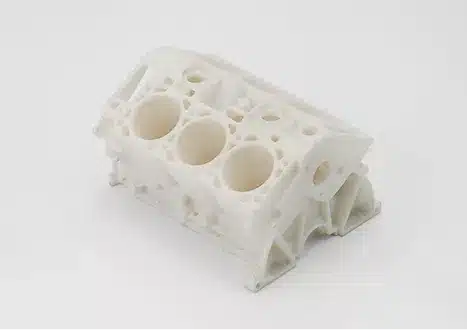
We use a vacuum to fill the urethane or silicone in the mold to minimize the number of air bubbles and the parts integrity to high standards of quality and functional parts.
Our finishing options include painting, polishing, texturing, and more, to enhance the appearance and functionality of your parts.
Vacuum Casting Finishes for Enhanced Quality
At Lewei Precision, we provide various finishes of high quality to make your parts look better, functional and durable, through our Vacuum Casting Services. We offer solutions that are specific to your needs whether you want a basic finish to suit low-critical uses or a high-end and polished appearance.

The natural surface texture from the mold, ideal for less critical applications where aesthetics are not the priority.

Obtained by polishing the master model or post-processing to eliminate flaws, producing a more refined, smoother finish.

A fine layer of metal is applied to give it aesthetic appearance but also enhances the strength and the resistance of the part to corrosion.

Ideal for transparent parts or those requiring a reflective, smooth surface, perfect for high-end visual applications.

Use good-quality spray coats of finishes in any RAL color and provide your parts with a bright and protective coating

Custom pattern/texture to your parts, best used to make surface finishes unique or give better grip and functionality.
Vacuum Casting for Diverse Industries
At Lewei Precision, our Vacuum Casting Services are designed to meet the unique needs of various industries. From automotive to healthcare, we provide high-quality, precision casting solutions that are tailored to the specific demands of each sector.


Vacuum Casting Materials
Our vacuum casting services use polyurethane-based casting resins designed to replicate injection-molded plastic behavior.
Material selection is based on mechanical properties, surface finish, and end-use simulation.

Plastics
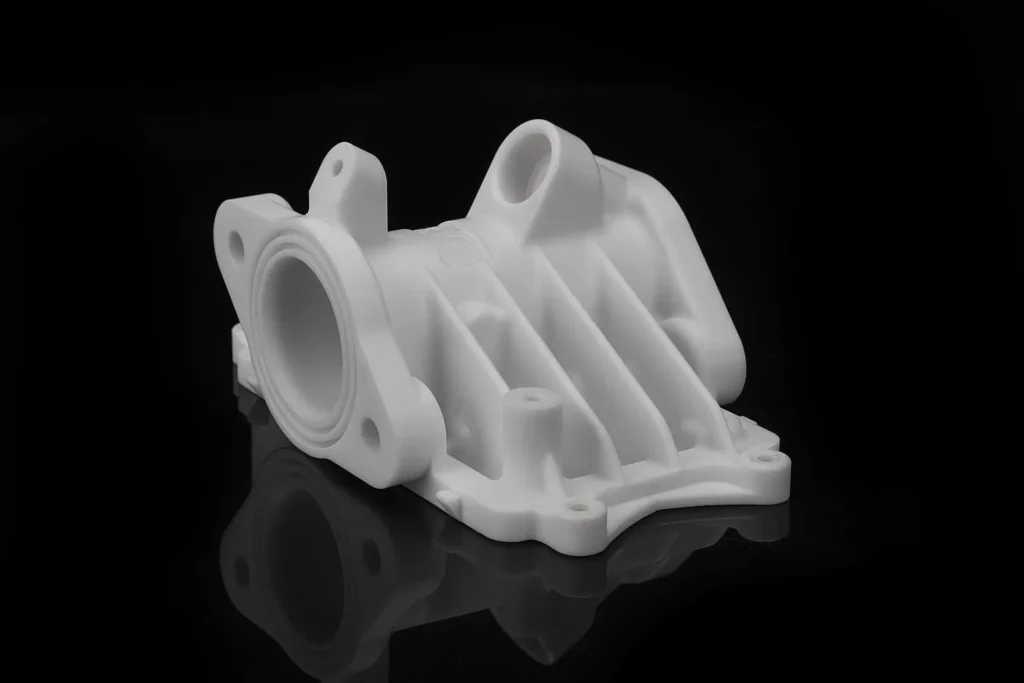
Balanced strength and impact resistance for functional prototypes and housings.
Grades
Standard ABS-Like
High-Impact ABS-Like
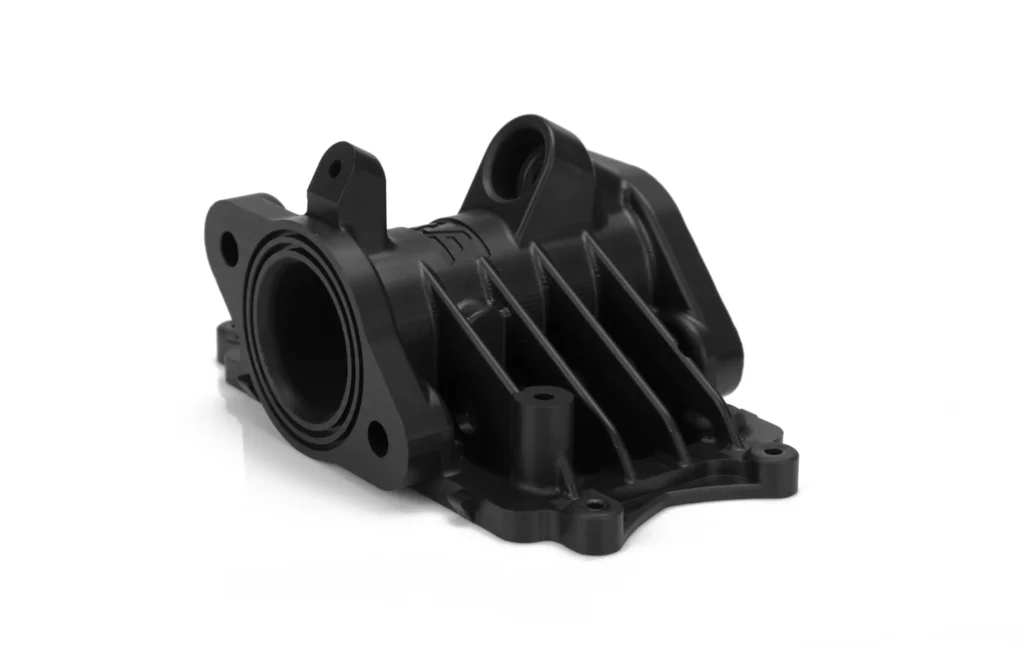
Flexible and fatigue-resistant material for snap-fit and living-hinge parts.
Grades
Standard PP-Like
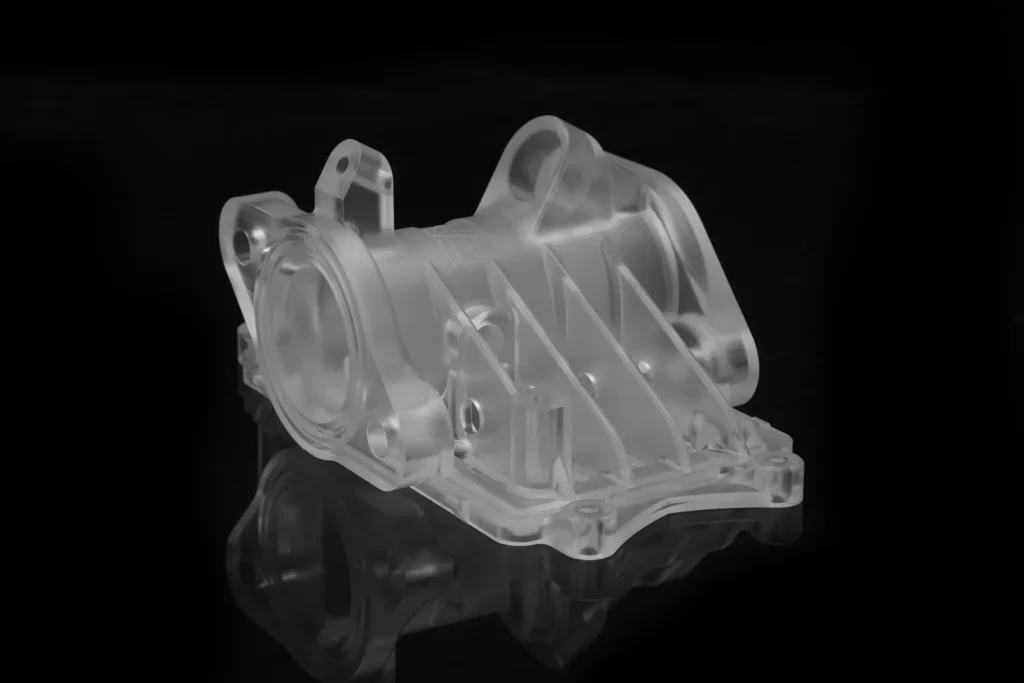
High strength and heat resistance for rigid functional components.
Grades
High-Temperature PC-Like
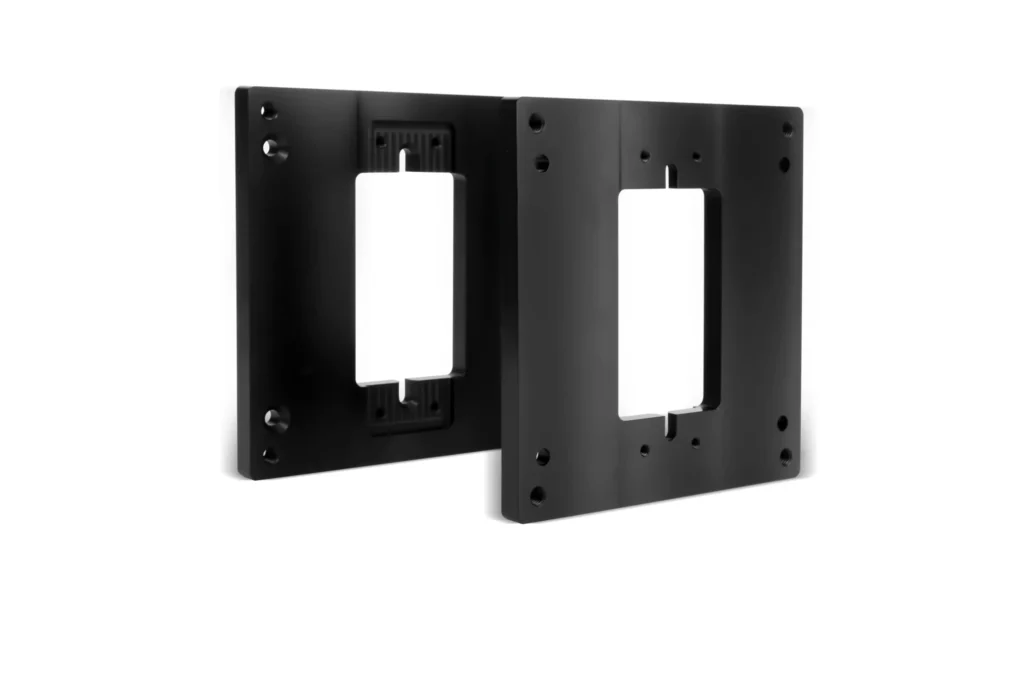
Tough and wear-resistant material for mechanical prototype parts.
Grades
Standard Nylon-Like
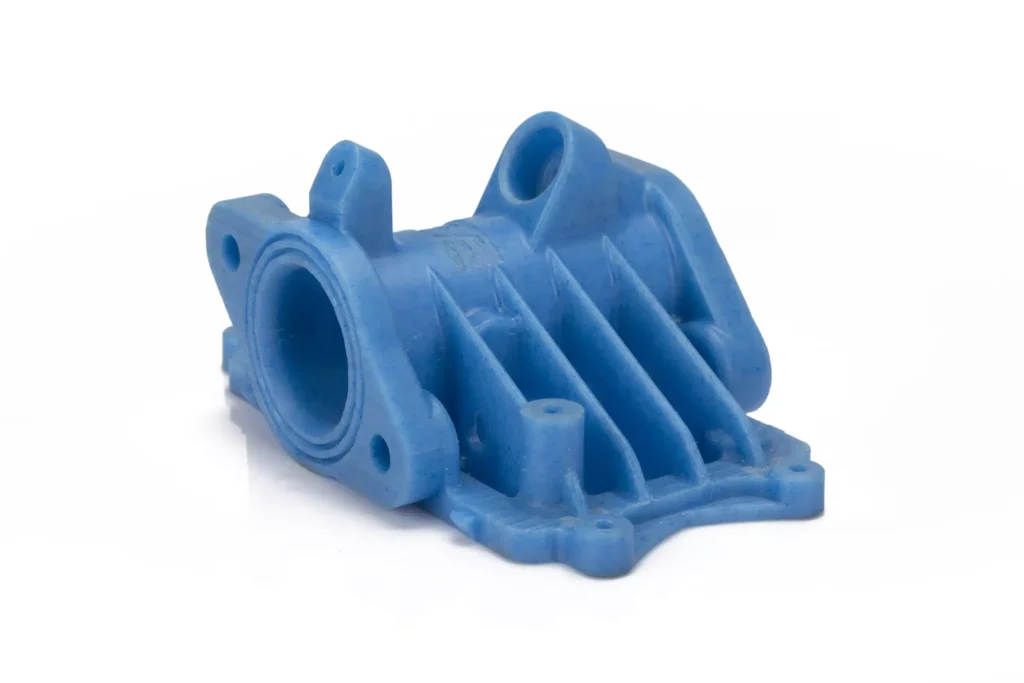
Elastic material for gaskets, seals, and soft-touch components.
Grades
Shore A30
Shore A50
Shore A70
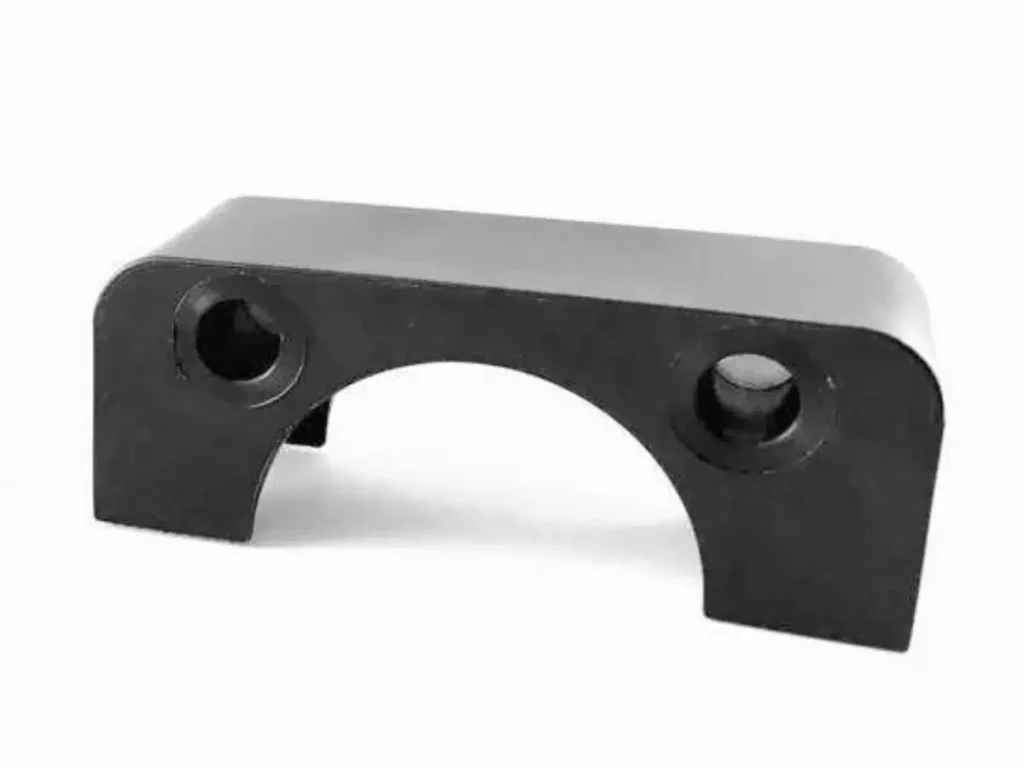
Transparent material for visual models and optical parts.
Grades
Standard Clear
High-Clarity Clear
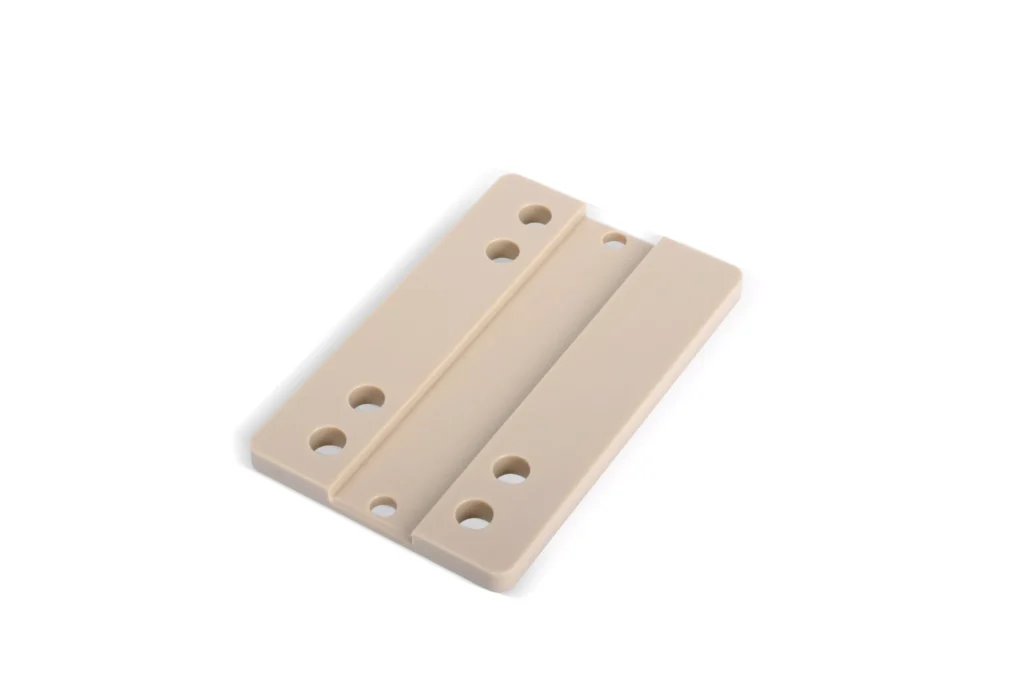
Material designed for basic flame resistance requirements.
Grades
UL94 V-0 Equivalent
Resin capable of withstanding elevated temperatures for functional testing.
Grades
High-Temp PU Resin
Size & Machine Limitations
At Lewei Precision, we offer precise CNC machining services with the following size and machine limitations:
| Process / Capability | Maximum Dimensions / Limits | Description |
|---|---|---|
| 3-Axis Milling | 700 × 400 × 300 mm | For simple geometries and fast production runs |
| 4-Axis Milling | 600 × 350 × 300 mm | Ideal for parts requiring additional rotation for more complex shapes |
| 5-Axis Milling | 500 × 350 × 300 mm | Perfect for intricate and detailed parts with complex geometries |
| CNC Turning | Ø300 mm diameter × 500 mm length | Used for precision cylindrical components like shafts and bushings |
| Turning with Live Tooling | Ø250 mm diameter | Offers additional milling capabilities on turning machines for complex parts |
| Minimum Wall Thickness – Metals | ≥ 0.8–1.0 mm | Ensures structural integrity |
| Minimum Wall Thickness – Plastics | ≥ 1.2–1.5 mm | Ensures structural integrity |
| Minimum Hole Diameter | ≥ 1 mm | Precise feature size requirement |
Why Lewei Precision is the Best Choice for Vacuum Casting
Lewei Precision offers Vacuum Casting Services that combine precision, speed, and high-quality results for rapid prototyping and low-volume production. Here’s why we’re the best choice:
Unmatched Precision
Achieve tight tolerances of ±0.10mm for accurate, high-performance parts that fit perfectly.
Get your prototypes and low-volume parts in just 5–10 business days, keeping your project on track.
We excel at creating intricate geometries, undercuts, and complex shapes for functional prototypes.
Lewei Precision Urethane Casting Services
Lewei Precision can deliver urethane parts in a wide range of polyurethane and silicone materials, surface finishes, and color options, making them suitable for industries such as automotive, electronics, industrial equipment, and consumer goods.


Lewei Precision Vacuum Casting Capabilities
| Details | |
|---|---|
| Tolerance | At Lewei Precision, replicated casts follow ISO-2768-CL standards. Local tolerances can reach ±0.15mm, and small holes can achieve up to ±0.10mm precision. |
| Color and Finishing | Supports a wide range of colors, transparency levels, and surface finishes. |
| Maximum Part Size | Up to 2.3 × 1.3 × 0.6 meters. |
| Daily Capacity | Up to 200 pieces per day. |
| Lead Time | Lead time varies based on part complexity and order volume. The full process includes prototype making, silicone mold creation, casting, and finishing. Simple single parts can ship in under 5 days, but larger batches may require more time depending on the project. |
From Prototyping to Production
Lewei Precision makes it easy to move from design concept to production-ready parts with cost-effective vacuum casting solutions.

Transform early designs into functional prototypes quickly. Master patterns are created using CNC machining or 3D printing for size and finish checks before production.

Produce 1–100 functional vacuum cast parts for testing fit, durability, and usability with materials close to final production.

Manufacture 20–200+ parts with consistent quality, perfect for pilot runs, bridge production, or product launches.

For higher volumes, we also provide injection molding for scalable manufacturing with lower unit costs.
Vacuum Casting Materials, Finishes, and Colors
Choose from a wide range of polyurethane resins and silicone mold options that closely replicate the look, feel, and performance of end-use parts. Custom requests are welcome.
Commonly used for vacuum casting molds. It’s soft enough to handle complex part shapes but tough enough to last through multiple castings without tearing or warping.

If you need a lower cost and short-term solution (e.g., under 20 shots), the material is the best choice.

For higher detail, longer mold life, or if you’re casting skin-safe or food-contact parts.

For flexible parts, soft-touch surfaces, and cushioning.

Good all-around plastics for general use—great for housings, brackets, and structural parts.

Clear, smooth plastic for cosmetic or display parts.

Tougher than ABS. Works well for stronger parts or things that need to take some impact.

Slightly flexible with good wear resistance.

Lightweight and flexible, used for parts that bend or snap together.

Hard and precise. Good for moving parts or mechanical fits.

Soft and chemically resistant.

A balance of toughness and clean appearance. Combines the strength of PC with the smooth finish of ABS—great for tough housings.



Certified Quality Control and Testing
At Lewei Precision, quality assurance is at the core of our urethane casting process. We operate under ISO 9001:2015, ISO 13485, ISO 14001:2015, and IATF 16949:2016 standards, ensuring every part meets strict requirements.

How to Get Started with Vacuum Casting
Starting your vacuum casting project with Lewei Precision is simple and efficient. Here are the simple steps to help you produce high-quality parts that meet your needs:
Request a Quote
Upload your CAD files and get a proper and thorough quote on your vacuum casting project. Our team will consider your specifications and will offer competitive transparent cost structure according to your needs.
Approve Sample
We shall make you a sample part before proceeding with full-scale production. This enables you to test design, functionality and quality and the end product owes up to your expectations.
Production & Delivery
After you give your sample approval we will start production and make sure that your parts are well accurate in production. We subsequently ship your parts, on time, through quick and dependable shipping services to all parts of the world.
Quality Assurance & Inspection Capabilities for Vacuum Casting


At Lewei Precision, we provide the highest level of quality in any part that is manufactured by us under the Vacuum Casting Services. With superior tools such as CMM ( Coordinate Measuring Machines ), optical scanners and digital micrometers, we assure high accuracy of dimensions to fine limits. The parts are inspected critically in all stages to conform to the requirements precisely to the standards assuring functionality and performance.
Our geometric accuracy is of a high standard, with GD&T ( Geometric Dimensioning and Tolerance ) techniques used and parts checked to ISO 2768-mK and ASME Y14.5 standards. The quality of surfaces is strictly tested and the roughness measured at 3. 2 -0.8 μm of Ra, and the coating thickness checked to be consistent.. Additionally, we provide full traceability with documentation such as Material Certificates (MTRs), FAI Reports, and CMM Data Sheets, offering complete transparency for our customers.
Why Choose Lewei Precision Urethane Casting Services

Achieve tight tolerances from ±0.1 to 0.8mm with excellent surface finishes.

Choose from soft, rigid, clear, flame-retardant, or specialty polyurethane materials.

Get your parts delivered in 5–15 days with cost-effective low-volume runs of 20–200+ pieces.
What is the Urethane Casting Process?
Urethane casting, or vacuum casting, involves creating detailed plastic or rubber components by pouring liquid urethane into a mold. The process has three key steps:
Master Patterns
Master models are made with CNC machining or 3D printing, replicating the final product. This step determines the overall quality and accuracy.
Solicone Mold Casting
Liquid silicone rubber is poured around the master model and cured to form a reusable mold.
Urethane Pouring and Finishing
Liquid polyurethane resin is poured into the mold under vacuum to prevent bubbles. After curing, parts are finished and ready for use.

Applications of Vacuum Casting Across Industries
Urethane casting is good for prototypes and small production runs where injection mold tooling isn’t practical. Cast part perform well and can be used for testing or as finished products.
Interior trims, dashboard parts, and prototypes for fit and finish validation
Device housings, diagnostic equipment, and surgical tool prototypes
Enclosures, keypads, and decorative panels for electronics and appliances
Lightweight flame-retardant panels, control housings, and specialty components
Custom machine guards, control panels, and low-volume tooling parts
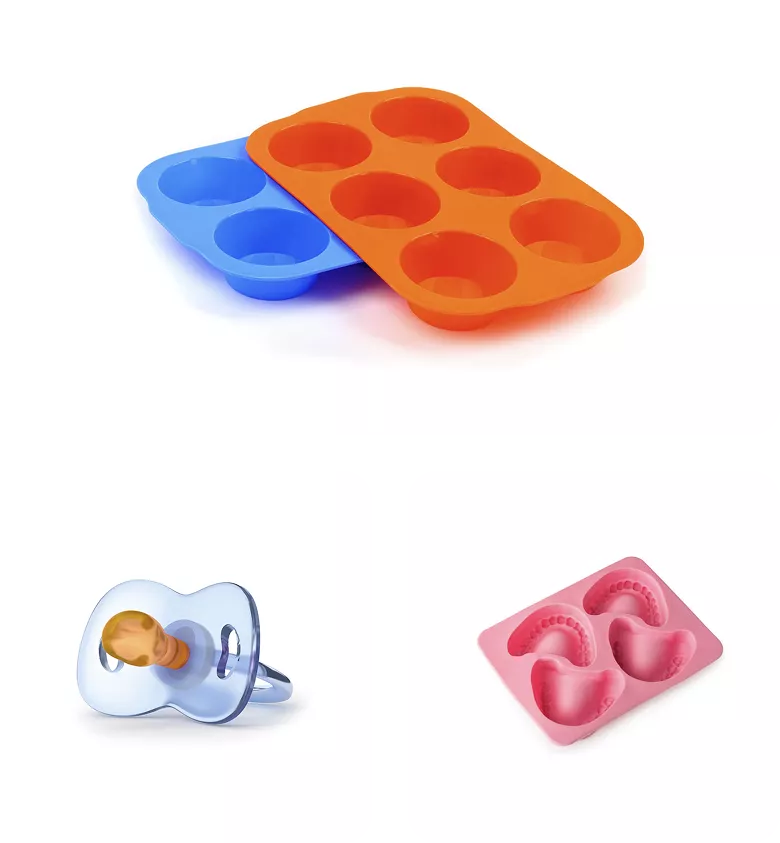
3D Printing vs Vacuum Casting vs Injection Molding
| VS | 3D Printing | Vacuum Molding | Injection Molding |
|---|---|---|---|
| Tooling Cost | $0 (no tooling) | $500-2,000 (silicone molds) | $5,000-50,000+ (aluminum or steel molds) |
| Lead Time | 1-3 days | 5-15 days | 4-12 weeks |
| Part Quantity | 1-20 parts | 20-200 parts optimal | 1,000+ parts optimal |
| Tolerance | ±0.1-0.3mm | ±0.1-0.8mm | ±0.05-0.1mm |
| Surface Finish | Layer lines, requires post-processing | Smooth, minimal finishing | Superior, production-ready |
| Complex Geometry | Excellent, any shape | Handles undercuts, fine details | Limited by mold design |
| Material Options | Limited to print resins/filaments | Urethane varieties (flexible to rigid) | Wide range of thermoplastics |
| Design Changes | Instant, no cost penalty | Easy and cost-effective | Expensive mold modifications |
When to Choose Vacuum Casting?
FAQs
1. What is Vacuum Casting?
Vacuum casting is a speedy prototyping procedure in which a silicone model is cast using a master model and the urethane or silicone resins are then poured into the model under a vacuum to form high precision components.
2. What are the benefits of Vacuum Casting in prototyping?
Vacuum casting has a short turnaround, good surface finish, as well as, making functional parts using a wide variety of materials. It is suitable to low-volume production and gives a cost saving substitute to injection molding.
3. What is the accuracy of the parts made using Vacuum Casting?
Vacuum casting tolerances as low as 0.10mm can be used to achieve extremely high precision and accuracy in your parts, and this enables high precision in your parts.
4. Which types of materials are utilized in Vacuum Casting?
Our materials are versatile and we have an array of materials namely polyurethane (rigid, flexible, transparent), silicone, and custom materials to suit the unique requirements of your project.
5. Which industries are good case studies of Vacuum Casting Services?
We serve the automotive, aerospace, medical devices, robotics, consumer products and others, providing specific solutions to all industries.
6. How long is the lead time of Vacuum Casting?
The usual lead time is between 5-10 business days on prototype and low volume production parts based on the complexity of the design.
7. Is it possible to use Vacuum Casting when there is high volume production?
Vacuum casting is suitable with low volume production (20-200 parts). Injection molding could be more appropriate in the case of high-volume productions because it requires a higher cost of additional molds.
8. What kinds of finishes do Vacuum Cast parts have?
We provide various types of finishes standard (as-cast), smooth, metallization, mirror polishing and spray painting in any RAL color.
9. What is the way to obtain a quote on Vacuum Casting Services?
All you need to do is just to upload your CAD files or call us so that we can consult in detail. Our group is going to offer you a custom quote according to your project needs.
10. Is Vacuum Casting cost-efficient when compared to other ways of manufacturing?
Vacuum casting is indeed a very cost efficient-low volume production and prototyping solution, particularly in comparison to other conventional methods of manufacturing such as injection molding, which needs costly tooling.

 English
  简体中文
简体中文  Español
  Deutsch (Sie)
  日本語
日本語  Português