
Introduction
Do you need strong metal parts without spending a fortune? Sand casting could be your solution. This old method uses sand to shape molten metal into useful items. It helps make everything from car engines to machine tools.
In this guide, you’ll learn what sand casting is and how it works. We’ll cover steps, pros, cons, and real uses. You’ll also get tips on choosing a sand casting service. Why does this matter? Sand casting saves money and works for many projects. As demand grows, the global sand casting market hit $345.5 billion in 2023. It’s set to reach $584.5 billion by 2031 with a 7.8% growth rate. If you work in manufacturing, understanding sand casting service options can boost your efficiency. Let’s dive in.
What Is Sand Casting?
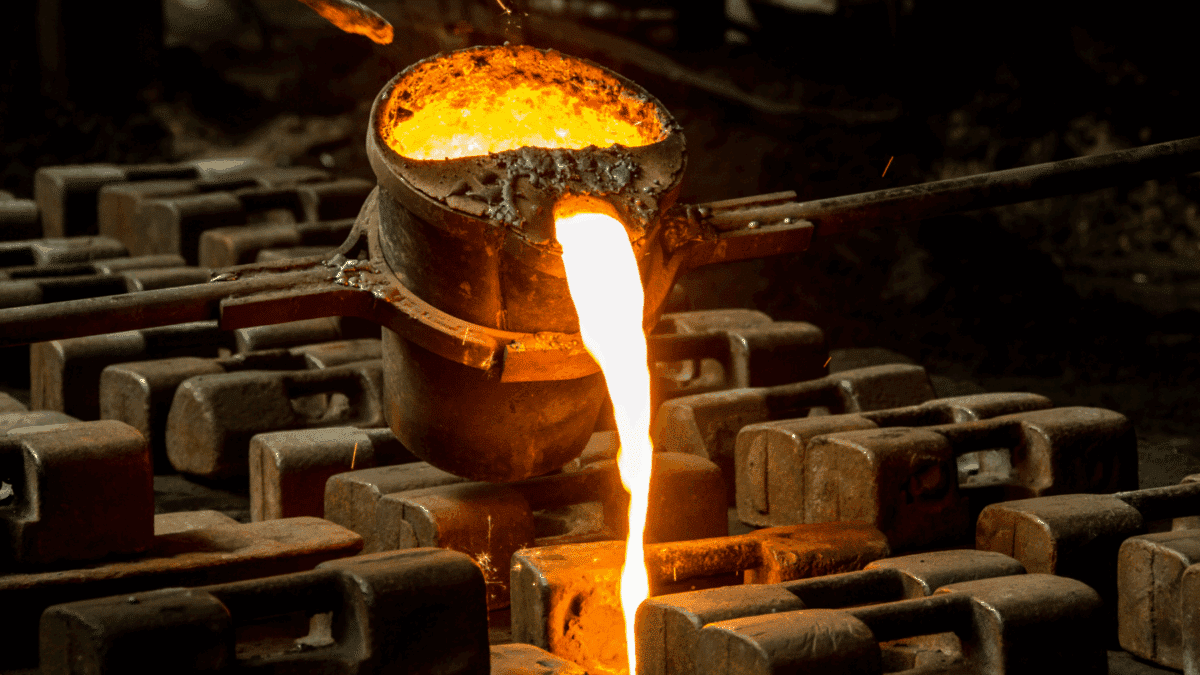
Sand casting is a simple way to make metal parts. You pour hot liquid metal into a sand mold. The metal cools and hardens into the shape you want.
The Basics of Sand Casting
You start with a pattern, which is like a model of your final part. Pack sand around it to form the mold. Remove the pattern, pour in metal, and let it cool. This method is cheap and flexible. Many shops offer sand casting service to help you get started.
How Sand Casting Differs from Other Methods
Unlike die casting, which uses metal molds, sand casting uses sand. This makes it less costly for small runs. Investment casting melts wax patterns, but sand casting handles bigger parts easier.
The History of Sand Casting
People have used sand casting for thousands of years. It started in ancient China and Egypt around 2000 BC. They made tools and weapons this way.
Today, it’s still popular. Modern tech improves it, but the core idea stays the same. Factories now use better sands and machines for faster work.
[Suggest image/infographic: Timeline of sand casting history from ancient times to modern day]
Step-by-Step: How Sand Casting Works
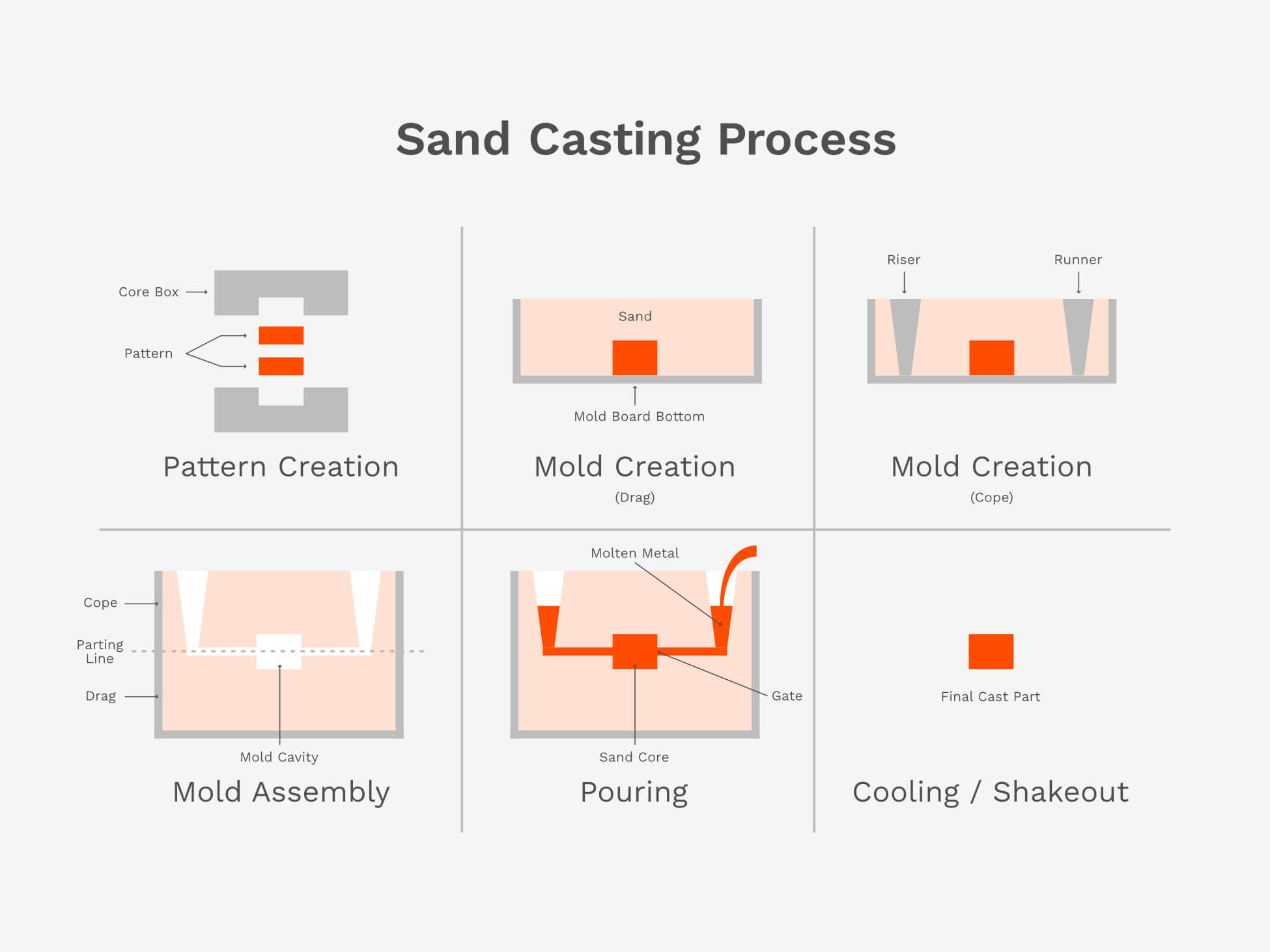
Want to know the process? Here are the main steps. Follow them to make your part.
- Create the Pattern: Make a wood or metal model of your item. It must be a bit bigger to account for shrinking.
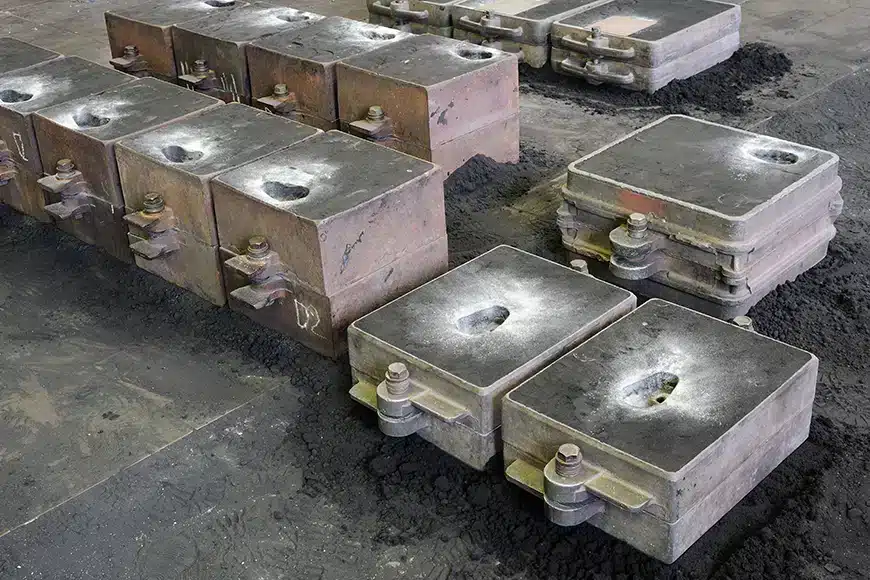
- Prepare the Mold: Pack sand around the pattern in a box called a flask. Use two halves: cope (top) and drag (bottom).
- Add Gates and Risers: Cut channels for metal to flow in and air to escape.
- Remove the Pattern: Pull out the model carefully. This leaves a cavity in the sand.
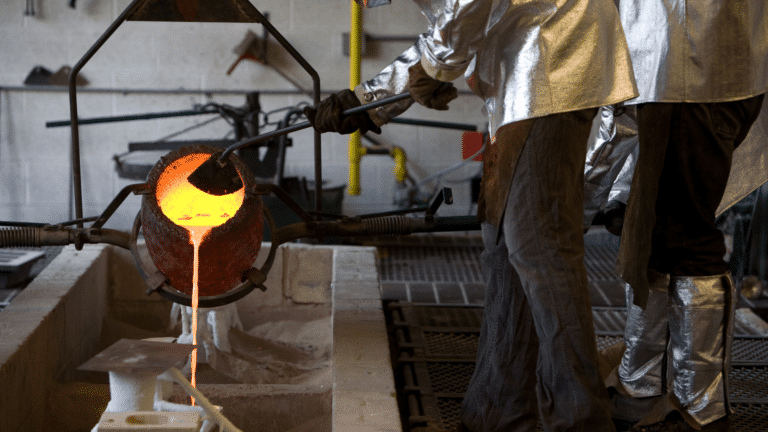
- Pour the Metal: Heat metal until liquid. Pour it into the mold slowly.
- Cool and Break: Let the metal harden. Break the sand to get your part.
- Clean Up: Remove extra bits and smooth the surface.
This takes from hours to days, based on size. Pro Tip: Always vent the mold well to avoid gas bubbles.
[Suggest image/infographic: Illustrated step-by-step diagram of the sand casting process]
Types of Sand Used in Sand Casting
Not all sand is the same. Choose the right type for your job.
Green Sand
This is wet sand with clay. It’s cheap and reusable. Good for simple parts.
Dry Sand
Bake this sand to make it hard. It gives smoother finishes but costs more.
Resin Sand
Mix sand with resin for strength. Use it for complex shapes. It holds details well.
Other Variations
Sodium silicate sand hardens with CO2. Pick based on your needs.
Materials You Can Use in Sand Casting
Sand casting works with many metals. This makes it versatile.
Common Metals
Aluminum is light and easy to cast. Iron is strong for heavy parts. Steel handles high heat.
Specialty Metals
Bronze resists rust. Titanium is tough but pricey. Most metals melt and pour well, except very soft ones like lead.
Expert Advice: Test your metal for purity. Impure metal can cause defects.
Advantages of Choosing Sand Casting
Why pick this method? Here are key benefits.
- Low cost for tools and setup.
- Handles large parts, up to tons.
- Works with many metals.
- Quick for prototypes.
- Easy to change designs.
- Less waste in small runs.
- Good for complex shapes with cores.
- Eco-friendly with reusable sand.
In automotive, it saves money on engine blocks.
Disadvantages to Consider
No method is perfect. Know these downsides.
- Rough surface needs extra work.
- Not always precise sizes.
- Sand can create waste.
- Patterns wear out over time.
- Cooling can cause weak spots.
- Needs skilled workers.
- Slower for big batches.
- Possible defects like pores.
Compare to your needs before choosing.
Key Applications and Industries for Sand Casting
Sand casting fits many fields. See where it shines.
Automotive Industry
Makes engine blocks and brake parts. Ford uses it for durable components.
Aerospace Industry
Creates strong frames and fittings. It handles high-stress parts.
Marine and Construction
Pumps, valves, and tools. Bronze fittings resist water.
Other Uses
Mining equipment, art sculptures, and jewelry. Real example: Barbecue grills from cast iron.
Add link to automotive page: Check our automotive sand casting service.
Cost Breakdown for Sand Casting Projects
Costs vary. Here’s a typical split.
| Cost Factor | Range | Percentage of Total |
| Material | $1.50-$4.50 per kg | 40-60% |
| Labor | $15-$50 per hour | 20-35% |
| Tooling | $500-$5,000 | 5-15% |
| Other (energy, finishing) | Varies | 10-20% |
From sources, metal volume drives most costs. Low tooling makes it cheap for few parts.
How to Choose the Right Sand Casting Service
Need help? Follow this guide.
- Check their experience with your metal.
- Ask about turnaround time.
- Look at quality controls.
- Compare prices for your volume.
- See if they offer finishing like CNC machining service.
- Read reviews from real clients.
Pro Tip: Visit the shop if you can. See their work firsthand.
Common Mistakes to Avoid in Sand Casting
Don’t fall into these traps.
- Poor pattern design: Forget shrinkage, get wrong sizes.
- Bad sand packing: Loose sand causes rough parts.
- Wrong pouring speed: Too fast traps air bubbles.
- Ignoring vents: Gas builds up and makes holes.
- Skipping cleanup: Leave defects in final product.
Fix them with careful planning.
Comparing Sand Casting to Other Methods
See how it stacks up.
| Aspect | Sand Casting | Die Casting | Investment Casting |
| Cost | Low | High | Medium |
| Precision | Medium | High | High |
| Part Size | Large | Small-Medium | Small |
| Production Volume | Low-Medium | High | Low |
| Surface Finish | Rough | Smooth | Smooth |
| Material Variety | High | Medium | High |
Sand wins for big, custom parts.
Key Takeaways
- Sand casting uses sand molds for affordable metal parts.
- It’s great for large items in industries like automotive and aerospace.
- Steps include pattern making, molding, pouring, and cleaning.
- Pros: Low cost, versatile. Cons: Rough finish, possible defects.
- Market growing at 7.8% yearly to 2031.
- Avoid mistakes like poor venting.
- Choose services with good quality checks.
Conclusion
Sand casting offers a reliable way to make strong parts. You’ve seen the process, pros, cons, and uses. It fits many industries and saves money.
Think about your needs. Use this guide to decide if it’s right for you. With growing demand, it’s a smart choice.
FAQS
What is the main difference between sand casting and die casting?
Sand casting uses sand molds, which are cheap but less precise. Die casting uses metal molds for smoother parts but costs more upfront. Use sand for small runs
How much does sand casting cost?
It depends on material and size. Expect $1.50-$4.50 per kg for metal, plus labor. Total often lower than other methods for prototypes.
What industries use sand casting most?
Automotive for engines, aerospace for frames, marine for fittings, and construction for tools. It’s versatile across many fields.
Can I use sand casting for small parts?
Yes, but it’s better for medium to large. For tiny items, try investment casting.
What are common defects in sand casting?
Pores from trapped gas, rough surfaces, or shrinkage cracks. Prevent with good venting and slow cooling.

 English
  简体中文
简体中文  Español
  Deutsch (Sie)
  日本語
日本語  Português