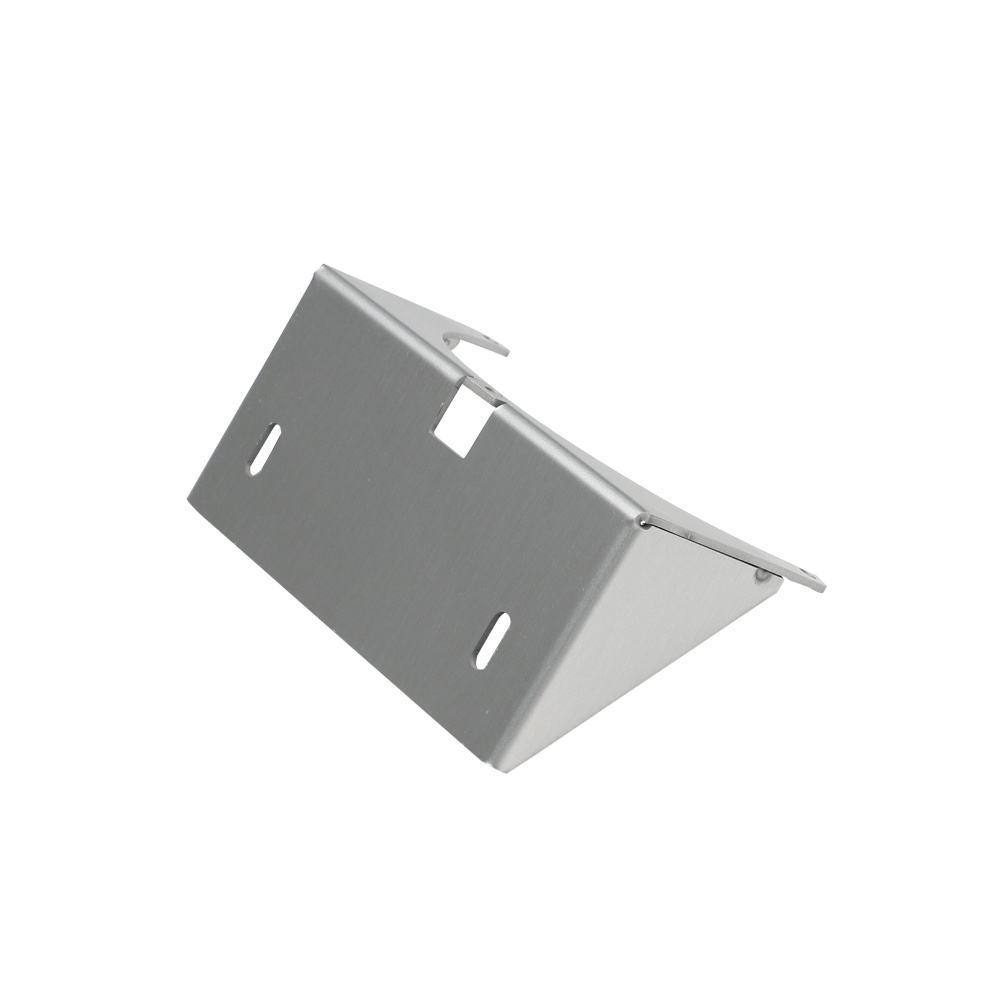
Custom Sheet Metal Bending Services
Obtain high-accuracy metal bending of prototype and production components, designed to specifications of exact dimensions and angles. Fast lead times, tight tolerances, flexible material choices and post-bending surface finishing are provided to us in order to guarantee production-ready parts.
- CNC metal bending for complex geometries and tight tolerances
- Rapid prototypes and production parts delivered in days
- ISO 9001:2015, ISO 13485, ISO 14001, IATF 16949 certified quality systems
Metal Bending Capabilities at Lewei Precision
Lewei Precision offers advanced metal bending services designed for accuracy, consistency, and repeatability. Using modern CNC bending technology, we produce high-quality bent metal parts that meet exact angle, tolerance, and functional requirements for both prototype and production needs.
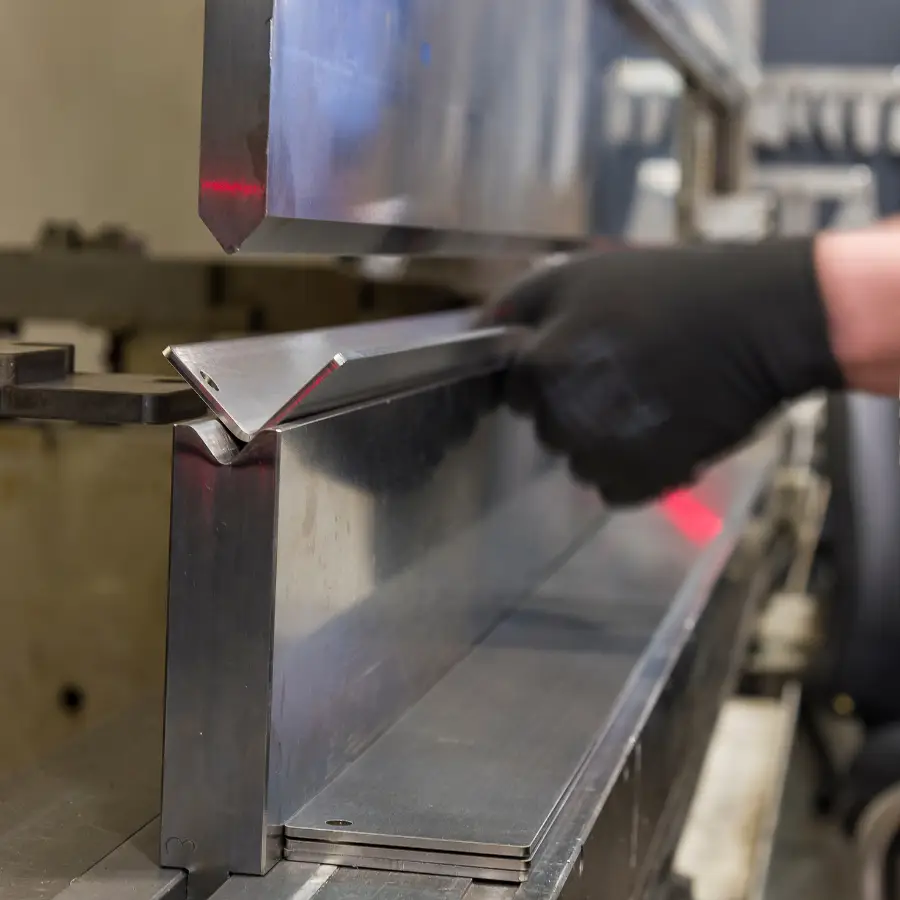
Precision CNC press brakes ensure accurate bend angles and consistent results across single parts and full production runs.
A flexible metal bending method that allows multiple bend angles with minimal tooling, ideal for custom and low-volume parts.
Delivers higher bend accuracy and repeatability for parts that require tight tolerances and precise angle control.
Capable of producing parts with multiple bends, offset bends, tight radii, and complex sheet metal shapes.
Why Choose Lewei Precision for Metal Bending Services
Lewei Precision has some of the best metal bending services, which are offered to ensure accuracy, speed, and consistency. In prototypes to production run, we use a combination of cutting-edge CNC bending technology and engineering skills to create high-quality bended metal components of any size and that of exact specifications and industry standards.
Unmatched Precision
CNC press braze bending can achieve tight tolerances within a range of ±0.005, giving consistent part geometry and accurate angles.
Fast-turn metal bending solutions characterized by standard delivery within 3-7 business days of prototypes and production parts.
DFM is guided by experienced engineers who offer springback control and cost-effective bending by optimization of design.
What is Metal Bending?
Metal bending is a fabrication process of sheet metal whereby metal is manipulated by pressurizing it to reach the desired angles and shapes. The process plays a critical role in the manufacturing of robust and durable components that are correctly shaped and applied to various industries including aerospace, automotive, medical and industrial production.
In Lewei Precision, we do metal bending with simple and complex design with sophisticated CNC press brakes. Our bent metal is always accurate in its bends, has tight tolerances, and is dependable in quality to use in prototypes; it can also be used in full scale.
How does Metal Bending Work?
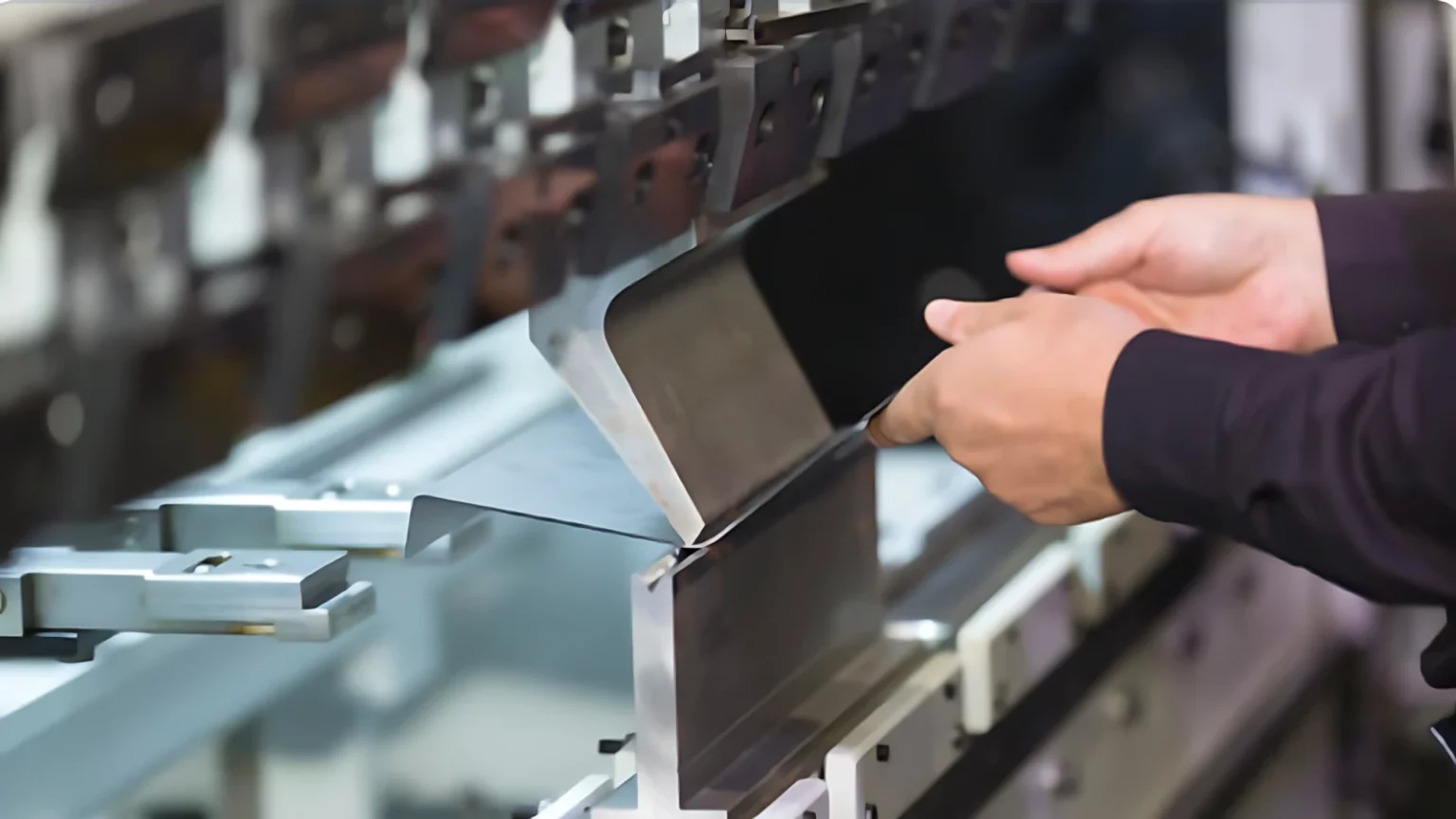
Metal bending is a crucial method in metal fabrication that involves deforming metal into a desired shape by applying force, typically using a press brake or similar machine. This process allows for precise forming along a straight line to create shapes such as V, U, or channel bends in sheet metal. The technique can range from manual methods to advanced CNC (Computer Numerical Control) systems, which offer enhanced precision and repeatability.
This metal bending technique is widely used for producing strong, functional parts efficiently. It is commonly employed to create components ranging from small brackets to large architectural features. With the evolution of CNC technology, complex and highly precise bending tasks are now more feasible, offering greater design flexibility and faster production cycles. CNC systems are especially beneficial for mass production, providing minimal variation and ensuring consistent quality across large batches.
Metal Bending Materials
We offer a variety of sheet metal materials, including aluminum, stainless steel, and brass. Each material is selected for its unique properties, enabling us to recommend the best option for your project’s specific requirements and applications.
Plastics
Highly formable material with consistent bending behavior for structural and industrial parts.
Grades
CRCA
HR
IS 2062
ASTM A36
Strong and corrosion-resistant material requiring controlled bend radius.
Grades
304
304L
316
316L
430
Lightweight material with good formability for enclosures and panels.
Grades
5052
3003
6061
Zinc-coated steel suitable for bending with proper tooling to protect coating.
Grades
GI
DX51D
DX52D
Ductile metal with excellent bendability for electrical and decorative parts.
Grades
C110
C122
Formable material used for precision and decorative bent components.
Grades
C260
C280
Surface Finishes for Metal Bending Services
We can offer our customers bending of metal and various finishes on the post-bending surface to make it durable, resistant to corrosion, and appealing. The use of these finishes is done following bending so that the functional and aesthetic needs of the industrial and commercial uses of the bent metal parts are satisfied.
Durable, high-performance finish that prevents corrosion in bent metal components and maintains consistent color and surface coverage, suitable to exteriors and high usage.
Provides a smooth, matte finish that enhances the adhesion of coating and offers a uniform, professional polish on bent metal surfaces.
A type of electrochemical finish, which enhances corrosion resistance and surface hardness, and also provides decorative colors to aluminum bent items.
Creates a uniform, linear texture that enhances appearance and minimizes visible scratches on cosmetic and visible metal components.
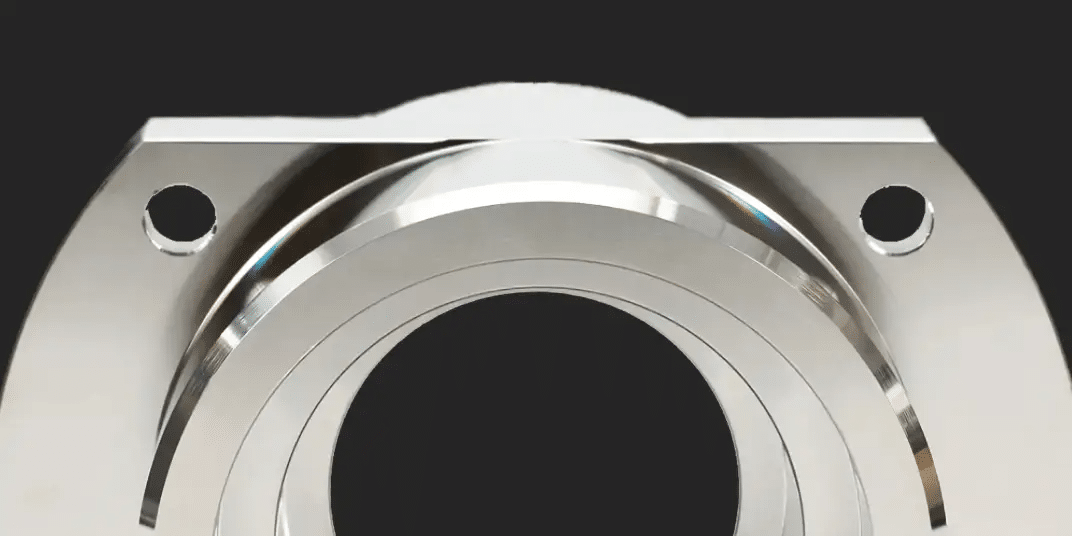
Gives the appearance of a smooth mirror-like surface finish, usually on decorative, consumer-facing or high-visibility bent metal components.
Applies a thin metal layer such as nickel or zinc to improve corrosion resistance, wear performance, and electrical conductivity of bent metal parts.
Metal Bending Services for Diverse Industries
Our metal bending services support a wide range of industries that demand precision, strength, and consistency. From tight-tolerance components to complex bent geometries, we deliver custom metal bending solutions tailored to each industry’s functional and performance requirements.
Certified Quality Control and Testing
In our metal bending services, quality control is a very strict process that involves all the bent metal parts to fit precisely to the dimension and functionality specifications. The individual components are checked with calibrated instruments and coordinate measuring machines (CMM) to ensure the accuracy of the bend angles, size and accuracy of the whole component. This guarantees quality in a prototype and production run even in a tight-tolerance application.
Bent metal components are all checked against GD&T specifications and also ISO and ASME standards to ensure that they meet design specifications. In case of projects that need surface finishes, further testing is used to evaluate the coating thickness, adhesion, and appearance which will ensure durability and similar quality of finish when bending.
We are fully traceable by offering full documentation with material certificates, inspection reports and quality records. This open practice helps customers to trust in the quality, consistency and certified quality of our metal bending services.
Metal Bending Capabilities
Specification | Description |
Maximum Part Size | 1.5 m x 1.5 m |
Metal Bending Forces | Up to 1000 tons |
Bending Line Length | Up to 7200 mm |
Bending Thickness | Up to 60 mm |
General Tolerances | Our metal bending standards follow ISO 2768. |
Bend to Edge/Hole, Single Surface | +/- 0.254 mm (+/- 0.010 in.) |
Bend Radius | Equal to material thickness |
Bend Angle | +/- 1° |
Bend Cutting Area | Up to 4000 mm |
Lead Time | 5 days or more |
Metal Bending Workshop
Metal bending transforms flat sheets into 3D shapes by applying precision force, using advanced machinery to create bends at designated angles. Prior to bending, flat sheets are prepared through cutting methods like laser cutting, ensuring high accuracy. We utilize high-tonnage equipment, capable of applying up to 1000 tons of force, and can handle materials with lengths up to 7200mm. Each bend is executed using a precise mold with a range from R3 to R50, guaranteeing accuracy with a machining tolerance of ± 0.1mm.
This process is ideal for various applications, including machinery components, architectural features, and custom designs. Our custom metal bending services offer tailored solutions with high precision and consistency.
Advantages
Advantages of Metal Bending Manufacturing
Metal bending is a highly effective manufacturing operation applied in various industries because of its accuracy, versatility and low cost. Metal bending services can assist manufacturers to obtain a dependable performance by bending metal sheets to the necessary angles and shapes, without removing any material, thus preserving their structural integrity.
- High Accuracy:CNC metal bending provides tight angle control and repeatability, at least to correct parts.
- Consistency: There are consistent results of prototypes and complete production runs which minimise variation and rework.
- Material Versatility: Metal bending allows a vast variety of materials, such as aluminum, stainless steel, steel, copper and brass.
- Complex Geometries: Metal bending allows a vast variety of materials, such as aluminum, stainless steel, steel, copper and brass.
- Reduced Waste: Efficient forming causes minimization of material waste by forming parts without cutting and waste.
- Fast Turnaround: Fast production cycles allow deliveries to happen both on prototypes and on production part types.
Applications
Applications of Bent Metal Parts
Metal bending services are popular to bend thin sheets of metal into strong and functional elements in industries, business, and consumer processes. The process ensures strength of the structure as well as flexibility in design thus is applicable in a wide variety of applications.
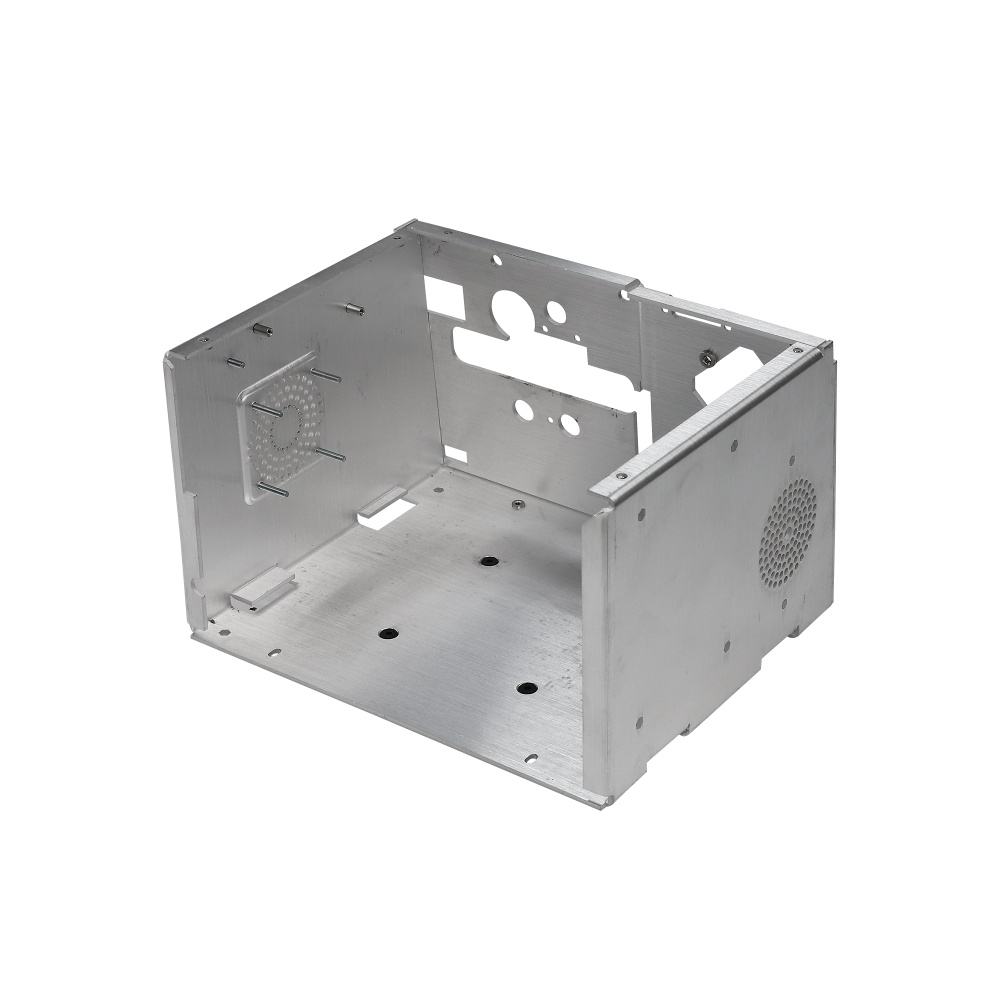
- Enclosures & Casings: Custom bent enclosures reduce accessibility and durability of industrial machines and electronic systems, as well as ensuring protection of those systems.
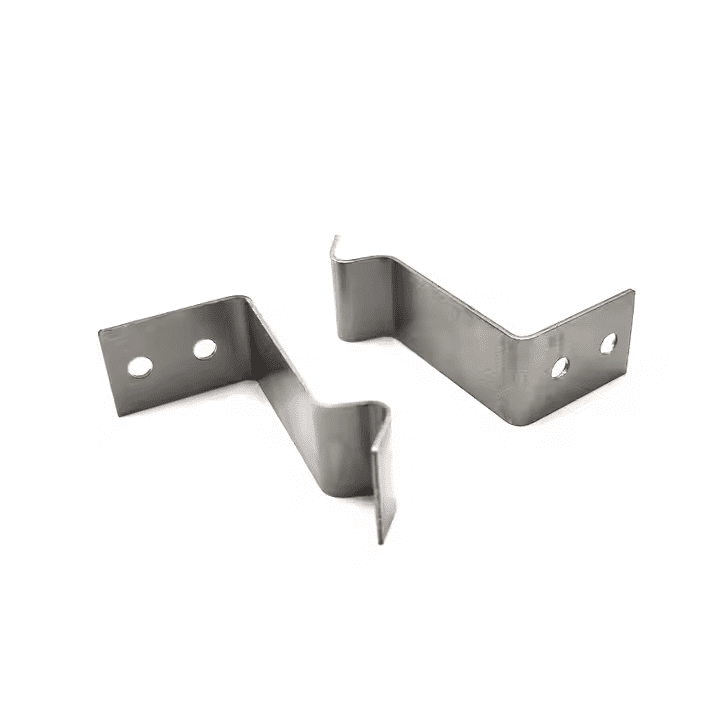
- Brackets & Mounts: Firm, high-precision bent brackets and mounts offer support to assemblies of a mechanical and structural nature.
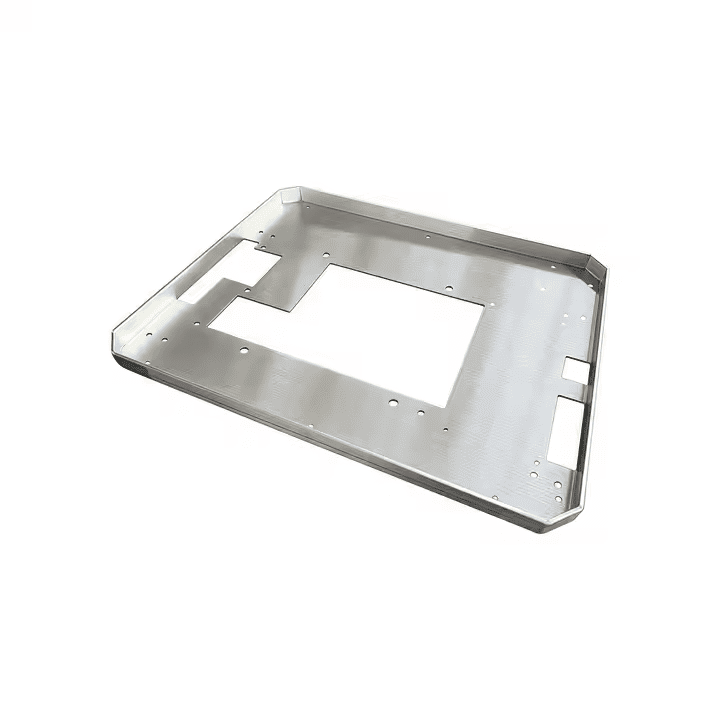
- Panels & Chassis: Metal bending is used to make frames, covers and chassis of industrial equipment and machinery systems.
- Ductwork & Ventilation: The HVAC systems require the use of bent metal pieces that make sure that the air moves in the right direction and the temperature is maintained.
- Custom Shelving & Storage: Industrial and commercial storage solutions benefit from the strength and adaptability of bent metal parts.
- Decorative Elements: Architectural and visible components use clean bends to combine aesthetics with structural performance.
- Prototypes: Metal bending helps to facilitate rapid prototyping, which enables them to quickly test and refine before going to full scale production.
CNC Machining FAQs
What are the metal bending services?
Metal bending services entail manipulation of flat metal sheets by means of controlled force to form desired angles and shapes. It is a very popular process to form brackets, enclosures, frames, and structural components without material loss.
Which metals are applicable when bending metals?
Steel bending accommodates aluminum, stainless steel, carbon steel, copper, brass and custom chosen alloys. The choice of material is determined by strength, thickness, bend radius and usage.
What is the accuracy of metal bending services?
With the right material, thickness and geometry of bending, CNC metal bending services can have tight tolerances up to a single micrometer (0.005). Prince press brakes provide stability and precision of bending.
Are you able to make complex or multi-bend components?
Yes, metal bending services serve intricate geometries, such as multi-bend components, offsets, small radii, and custom angles of workable and final use parts.
What is the duration of metal bending?
The usual lead time of metal bending services is between 3 and 7 working days on a prototype and normal production parts depending on the difficulty and volume of orders.
Are the surface finishing supported by bent metal parts?
Yes, surface finishes that include powder coating, anodizing, electroplating, polishing, and sand blasting are added after bending as a way of enhancing durability, corrosion resistance, and look.
What is the control of springback in bending of metals?
The control of springback is by careful calculation of bends and CNC press brake controls, and the final bend angle is required to match the design specifications.
Does metal bending apply to prototypes and production runs?
Metal bending services can be used with short-run prototyping, low batch sizes, and high-volume production, where it is necessary to be flexible but without expensive tooling.
Which file types are acceptable to metal bending quotes?
The majority of metal bending operations will take in CAD files in STEP, STP, IGES, DXF, and DWG formats so that they can be quoted accurately and their manufacturability checked.
Which industries are the regular customers of metal bending services?
Aerospace, automotive, medical devices, robotics, automation, industrial equipment, and consumer products manufactures are some of the most common applications of metal bending.