...

Overmolding Service

Lewei Precision provides advanced overmolding molding services for high-performance plastic and metal components. From rapid prototypes to on-demand production, our overmolding process delivers strong material bonding, consistent quality, and refined aesthetics. Backed by expert engineering and fast tooling, we help you achieve reliable results with scalable manufacturing efficiency.

Start A New CNC Quote
Precision machined metal parts for engineering applications.

Bring your product ideas to life quickly and accurately with our expert prototyping services.

Why Choose Lewei Precision for Overmolding?

Lewei Precision delivers reliable overmolding molding services designed to improve part performance, durability, and aesthetics. From early-stage prototypes to full-scale production, we combine precision tooling, engineering expertise, and certified quality systems to ensure consistent, high-quality overmolded components.

/01

Precision-Driven Overmolding

Our overmolding molding services deliver accurate material bonding and tight dimensional control, ensuring consistent performance and a refined appearance across every production run.

/02
Fast Tooling & Production Lead Times

Optimized tooling workflows shorten the time from design approval to part delivery, helping you move faster without compromising quality.

/03
Engineering & DFM Support

Our experienced engineers provide early-stage DFM feedback, material compatibility guidance, and bonding optimization before tooling begins.

What Is Overmolding?

Overmolding is a specialized manufacturing process in which a secondary material is molded over a rigid base component to create a single, unified part. This method is commonly used to improve grip, durability, protection, and visual appeal. With professional overmolding molding services, manufacturers can combine rigid plastics or metals with softer elastomers or secondary plastics to enhance product performance while reducing assembly steps and long term costs.

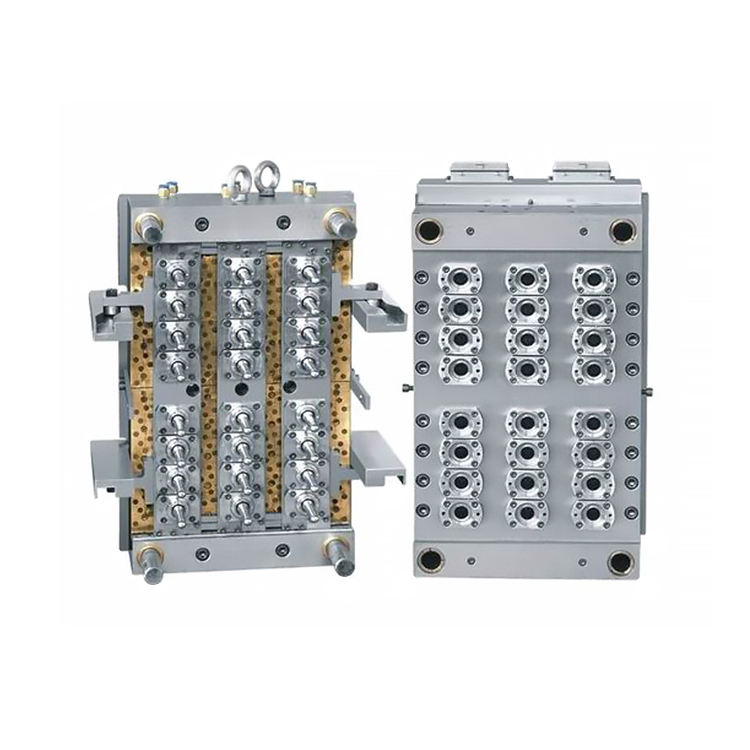
Industrial machine with metal rods and wires connected.

Overmolding Process

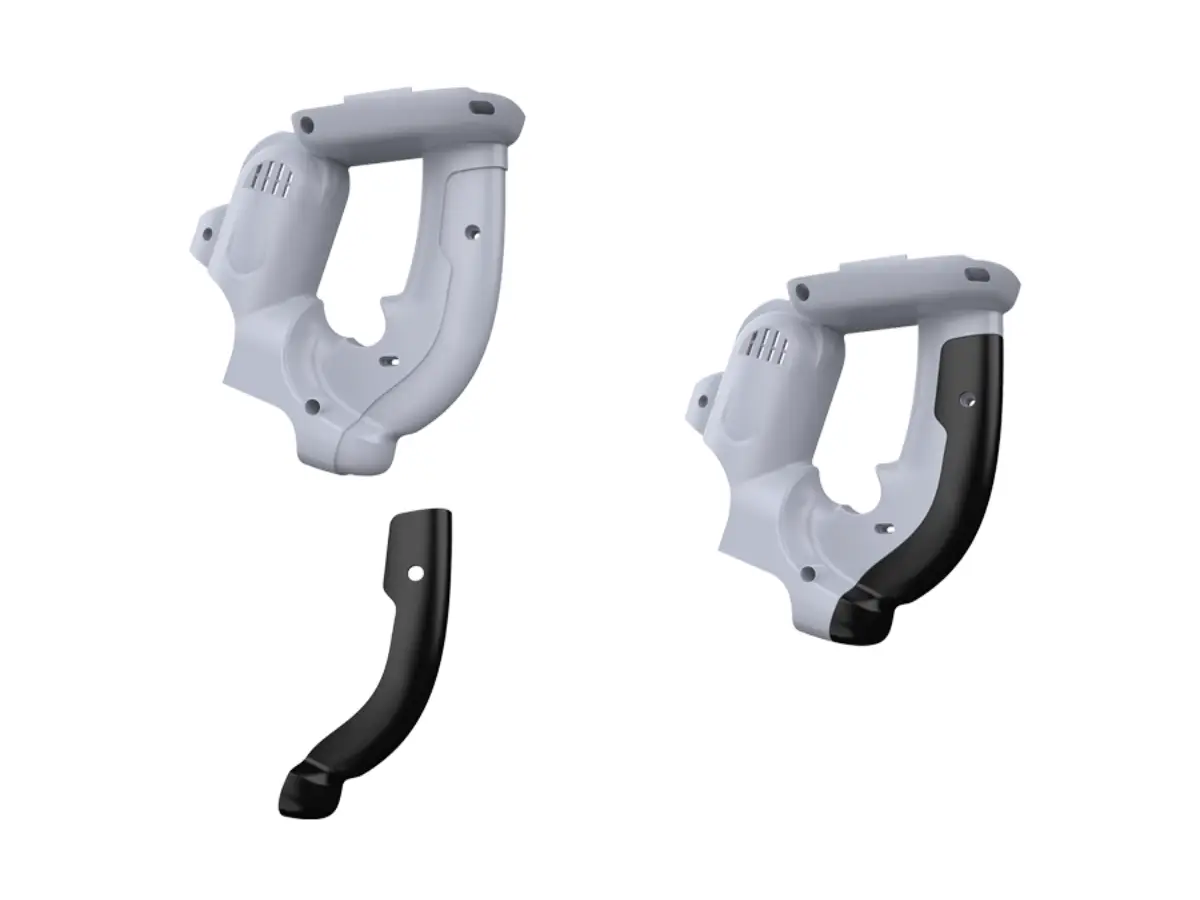
White and black gaming controller shells
Plastic over Plastic

This overmolding method combines multiple plastic materials into a single part to improve strength, precision, and surface quality. Our overmolding molding services ensure reliable bonding and consistent results for both prototypes and production parts.

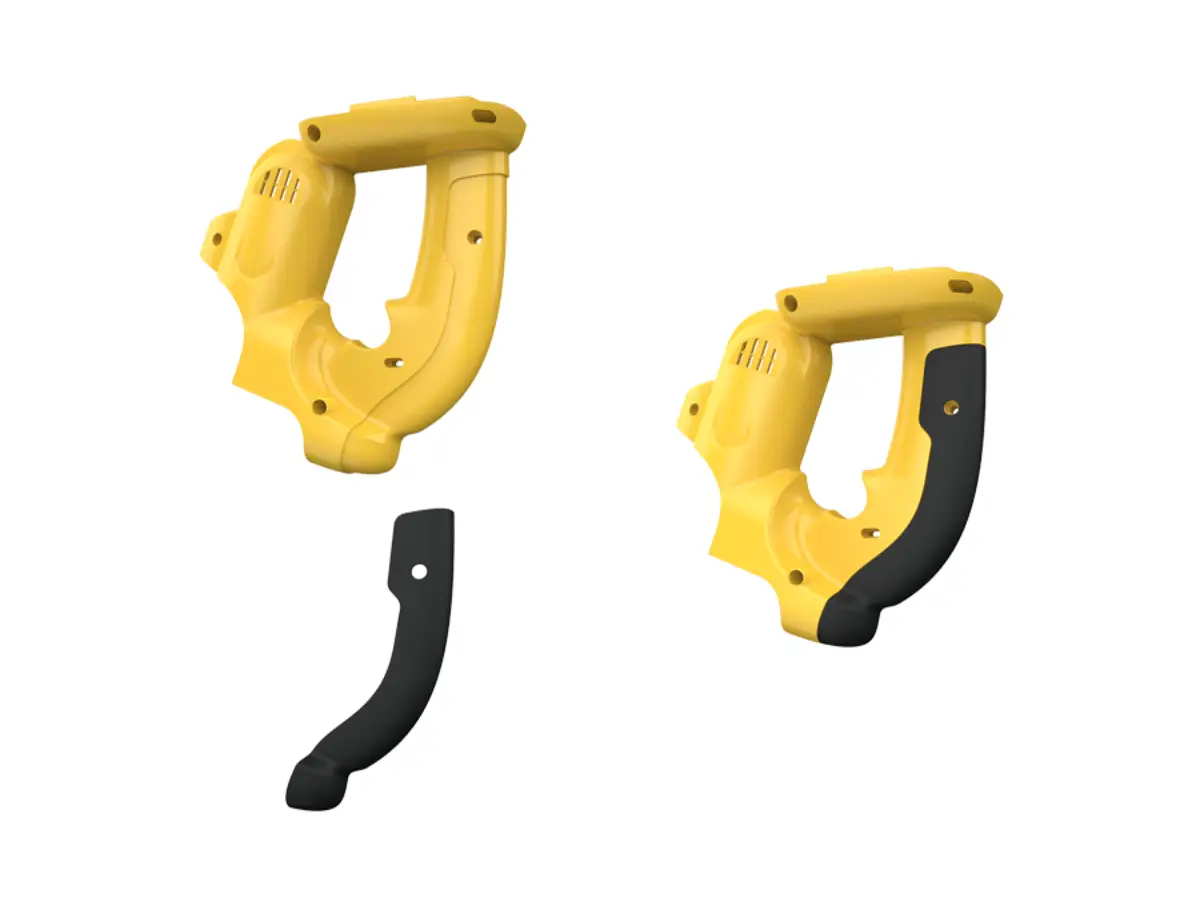
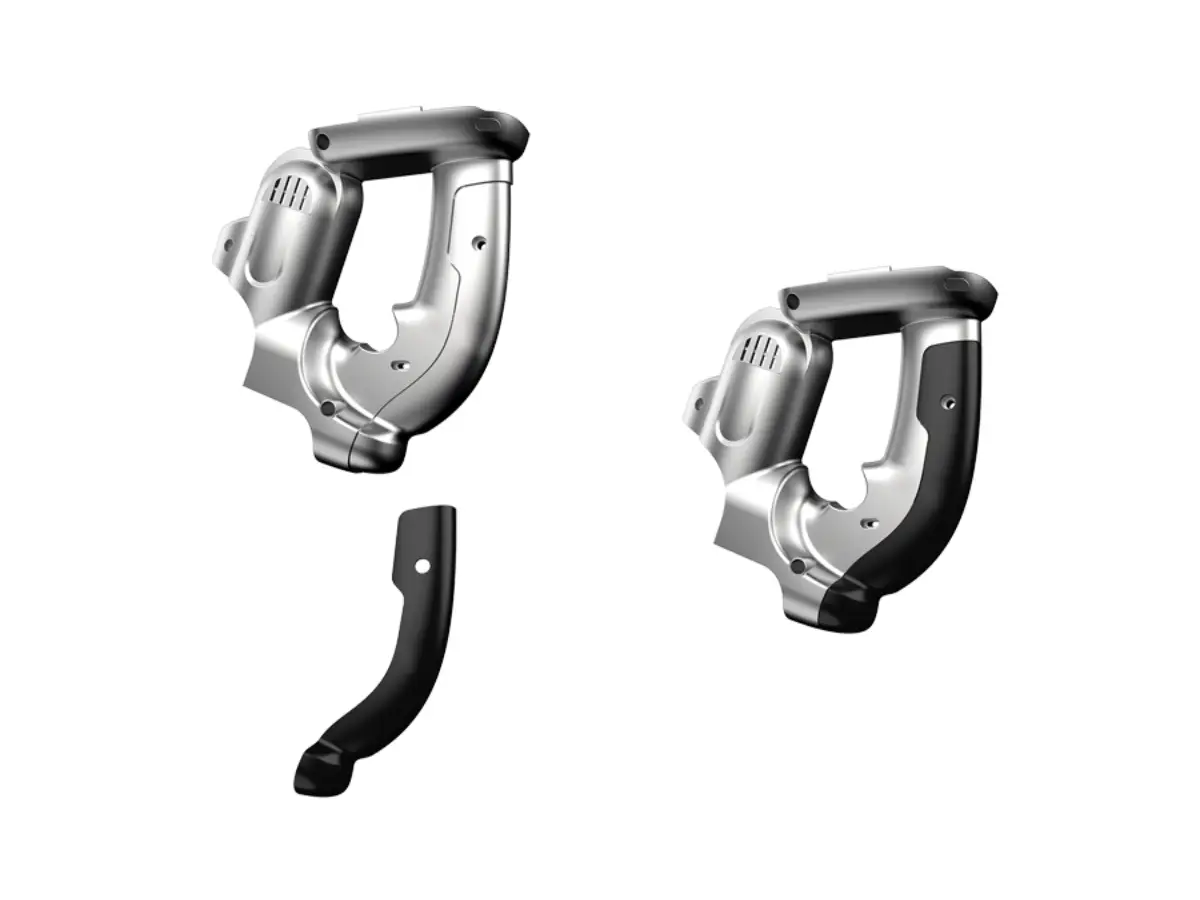
Yellow power tool handles with black grips
Rubber Over Plastic

Rubber over plastic overmolding adds soft-touch features to rigid components, improving grip, comfort, and vibration resistance. It is commonly used for ergonomic parts that require enhanced usability and durability.

Electric saw handles and component on display.
Plastic Over Metal

Plastic over metal overmolding integrates metal inserts with plastic to increase structural strength while reducing assembly steps. This solution is ideal for parts that need both rigidity and lightweight performance.

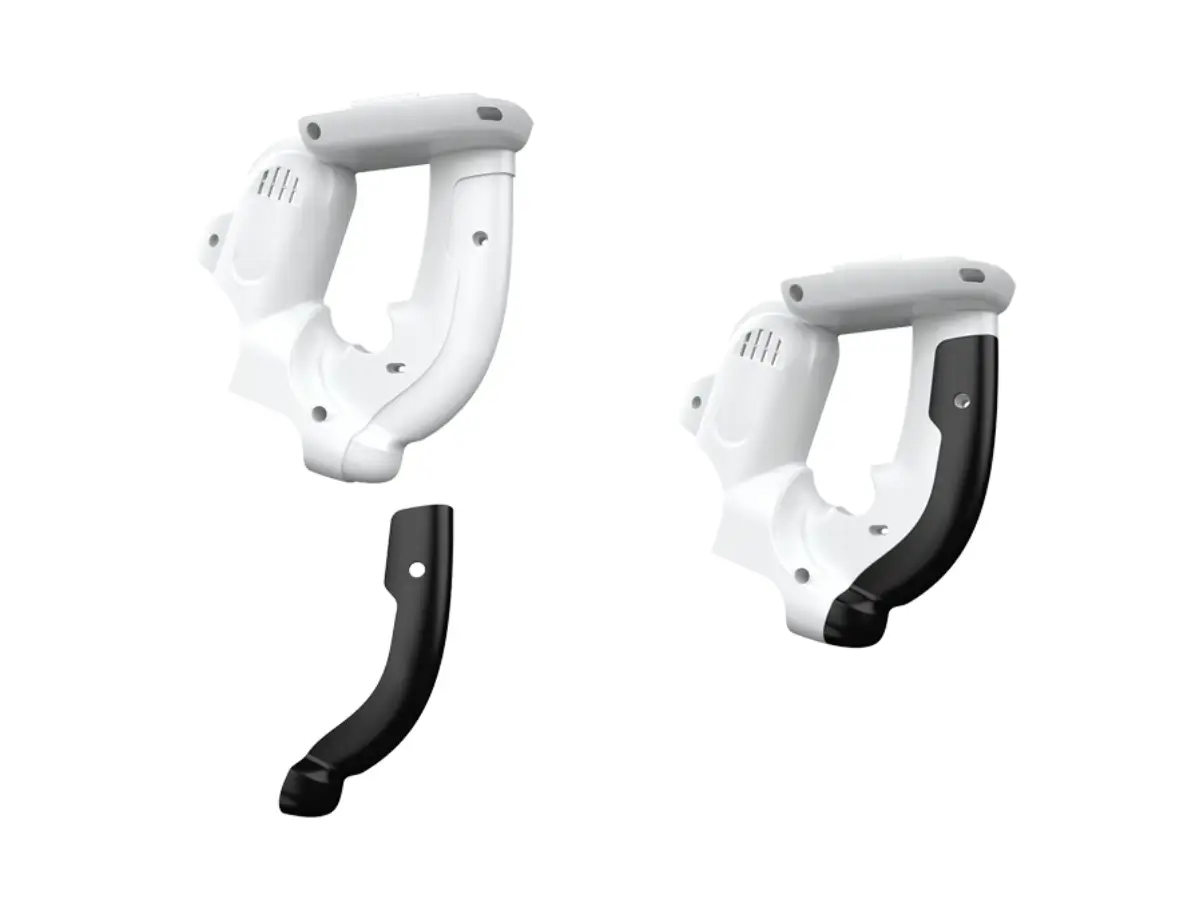
White and black detachable ergonomic handles with screws.
Rubber Over Metal

Rubber over metal overmolding applies an elastomer layer to metal parts to improve impact resistance and handling. It is well suited for components exposed to repeated use and demanding environments.

Overmolding Surface Finishes

Lewei Precision provides numerous surface finish options to increase the quality, durability and the appearance of your 3D printed components. Our services can be used to fulfil your personal project requirements, whether it involves a smooth finish, protection, or a unique texture.

As-Molded Finish

This finish comes directly from the molding process and is ideal for functional or internal parts where appearance is not critical. Our overmolding molding services ensure consistent surface quality and dimensional accuracy straight from the mold.

SPI Surface Standards

We offer a full range of SPI finishes, from Grade 3 diamond or high polish to 320 stone low polish. Available options include SPI A-1, A-2, A-3, B-1, B-2, B-3, C-1, C-2, C-3, D-1, D-2, and D-3, allowing precise control over surface texture and appearance.

Custom Textures and Aesthetic Options

Custom textures are available to improve grip, branding, and visual appeal. These finishes enhance user interaction and product differentiation while maintaining durability across overmolded components.

CNC Machining Solutions

Lewei Precision
Prototyping

Lewei Prototyping

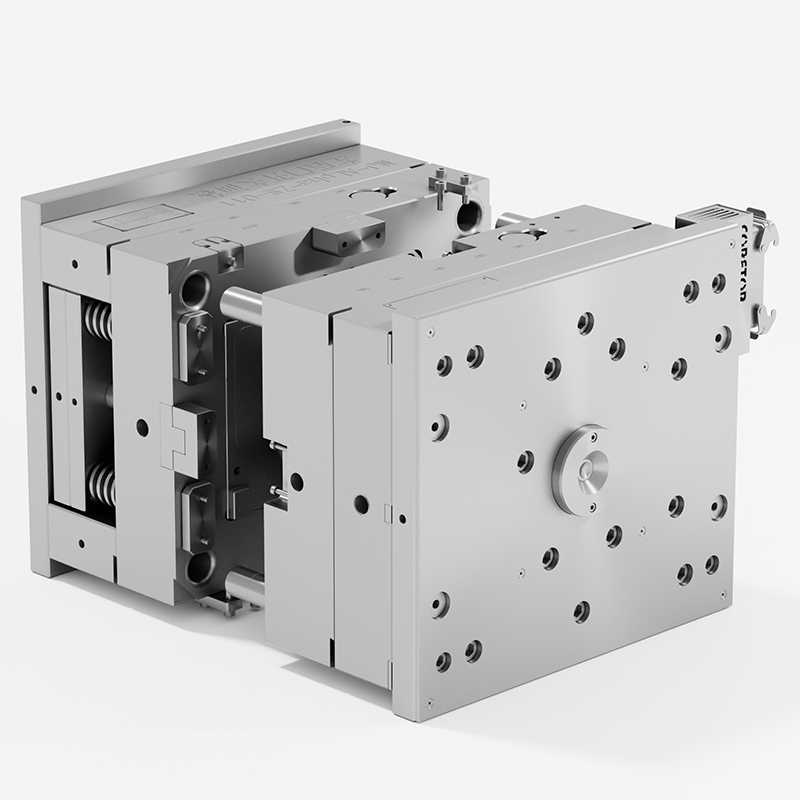
Prototype tooling is ideal for early-stage validation and functional testing. Our overmolding molding services use cost-effective prototype molds to help verify part design, material bonding, and performance before moving into production.

Production

Production Tooling

Production tooling is designed for long-term, high-volume manufacturing. Using durable steel molds, our overmolding solutions deliver stable performance, repeatability, and cost efficiency across extended production cycles.

Lewei Overmolding Finishes

Our SPI finishes range from Grade 3 diamond/high polish to 320 stone low polish. The available finishing options include SPI A-1, SPI A-2, SPI A-3, SPI B-1, SPI B-2, SPI B-3, SPI C-1, SPI C-2, SPI C-3, SPI D-1, SPI D-2, and SPI D-3.

Offers a smooth and shiny surface, often used for parts that require easy cleaning or a high-end look.

A smooth, semi-gloss finish that provides a balance between matte and mirror finishes, suitable for both functional and aesthetic needs.

Materials

Materials for Overmolding at Lewei Precision

Lewei Precision’s custom overmolding services enable the creation of high-performance plastic parts that combine aesthetics and functionality. Our advanced injection molding process integrates multiple materials into a single part, delivering superior quality and improved product performance.

Plastics

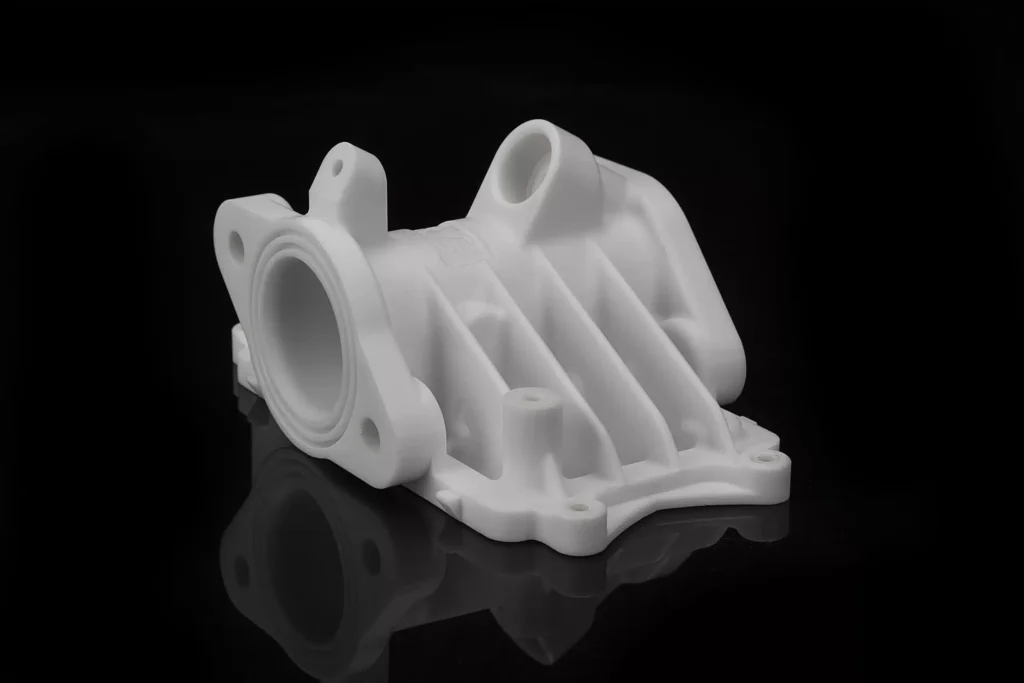
White mechanical component on black background

ABS is strong, durable, and offers good resistance to heat and impact. It’s preferred for automotive components and consumer goods.

ABS Beige(Natural)

ABS Black

ABS Black Antistatic

ABS Milky White

ABS+PC Black

ABS+PC White

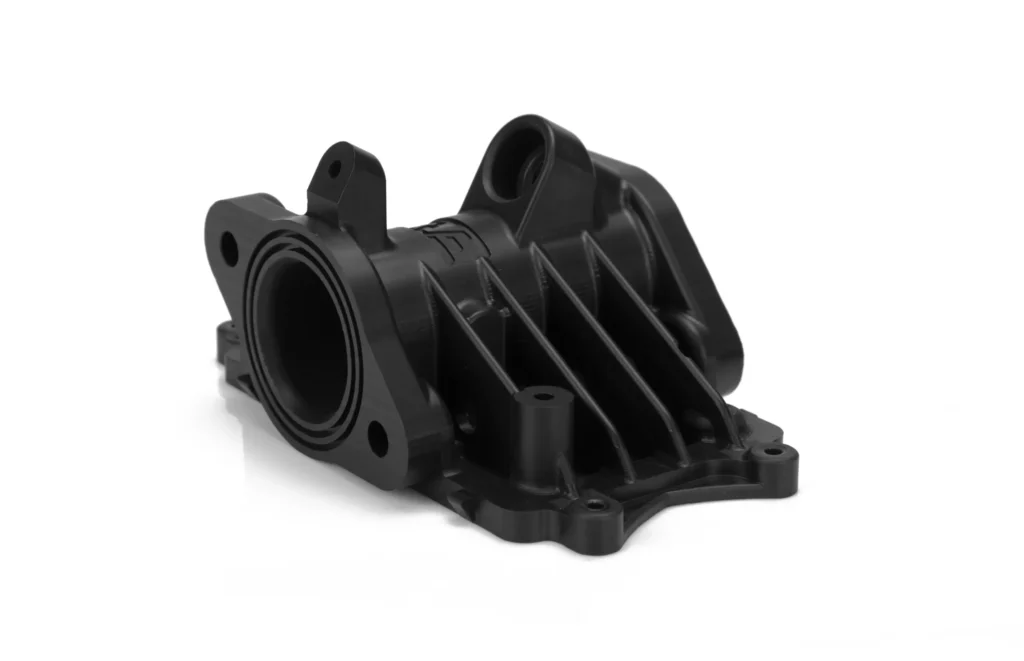
Black automotive engine part on white background

Polycarbonate is extremely durable and has high impact resistance, along with excellent clarity, used for bullet-proof glass and protective gear.

PC Black

PC Transparent

PC White

PC Yellowish White

PC+GF30 Black

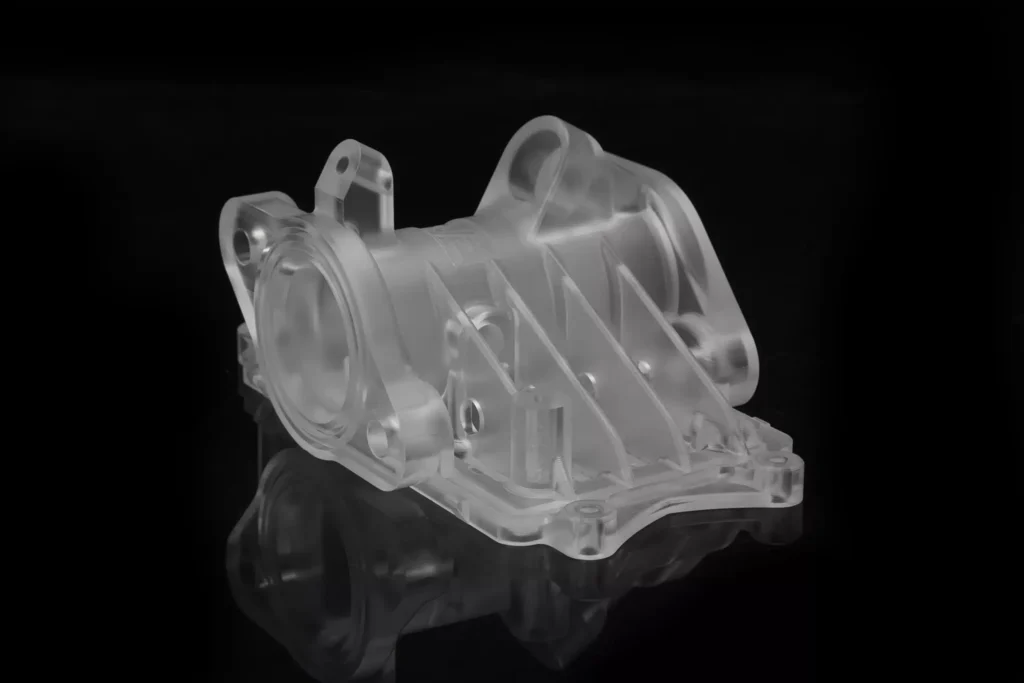
Transparent engine component on reflective surface

PMMA, or acrylic, is known for its crystal clarity and weather resistance, making it ideal for outdoor fixtures and display cases.

PMMA Black

PMMA Transparent

PMMA White

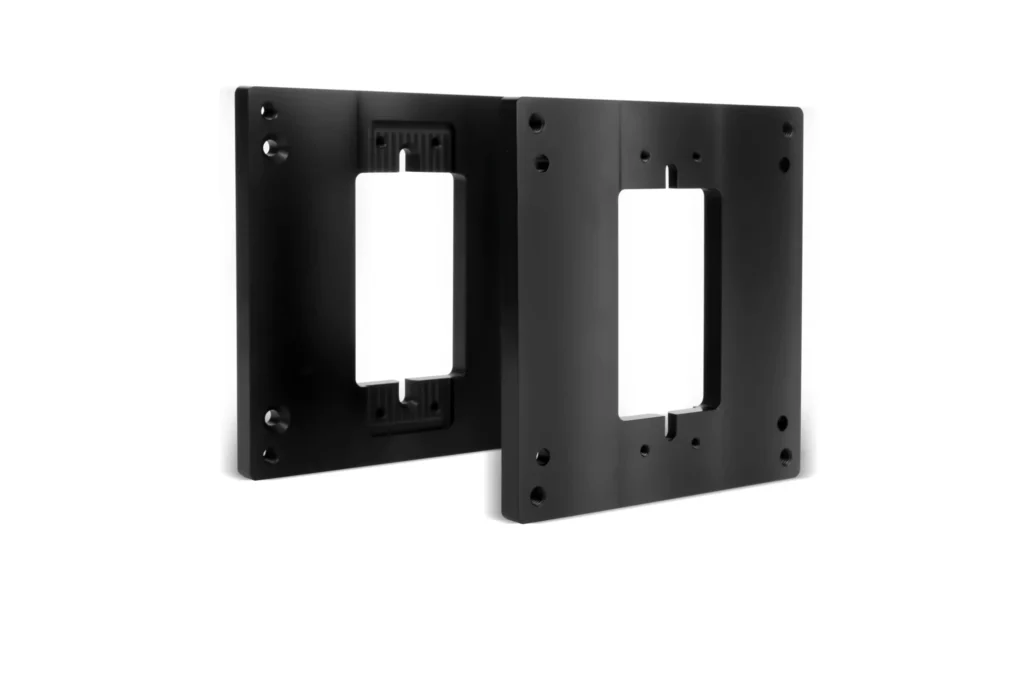
Two black wall mount brackets with cutouts.

POM is strong, with a low friction surface and good dimensional stability, perfect for precision parts in mechanical applications.

Dark brown (coffee) POM 100AF

POM Black

POM Blue

POM White

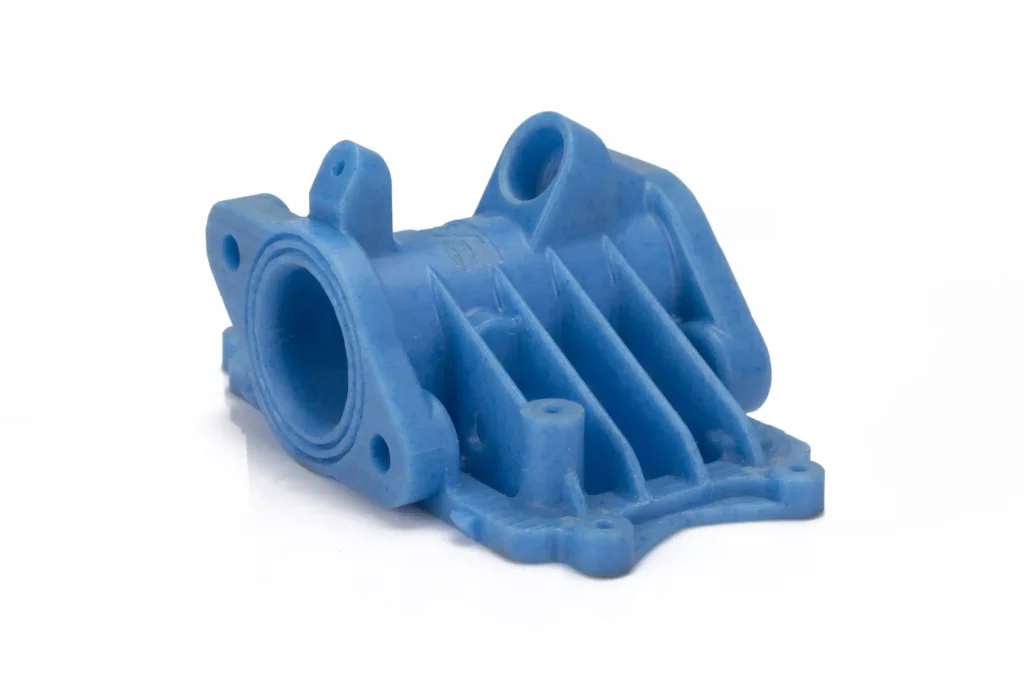
Blue plastic industrial part with multiple holes

Nylon is versatile, strong, and wears well against friction, commonly used for gears, bearings, and other wear-resistant surfaces.

PA(Nylon) Blue

PA6 (Nylon)+GF15 Black

PA6 (Nylon)+GF30 Black

PA66 (Nylon) Beige(Natural)

PA66 (Nylon) Black

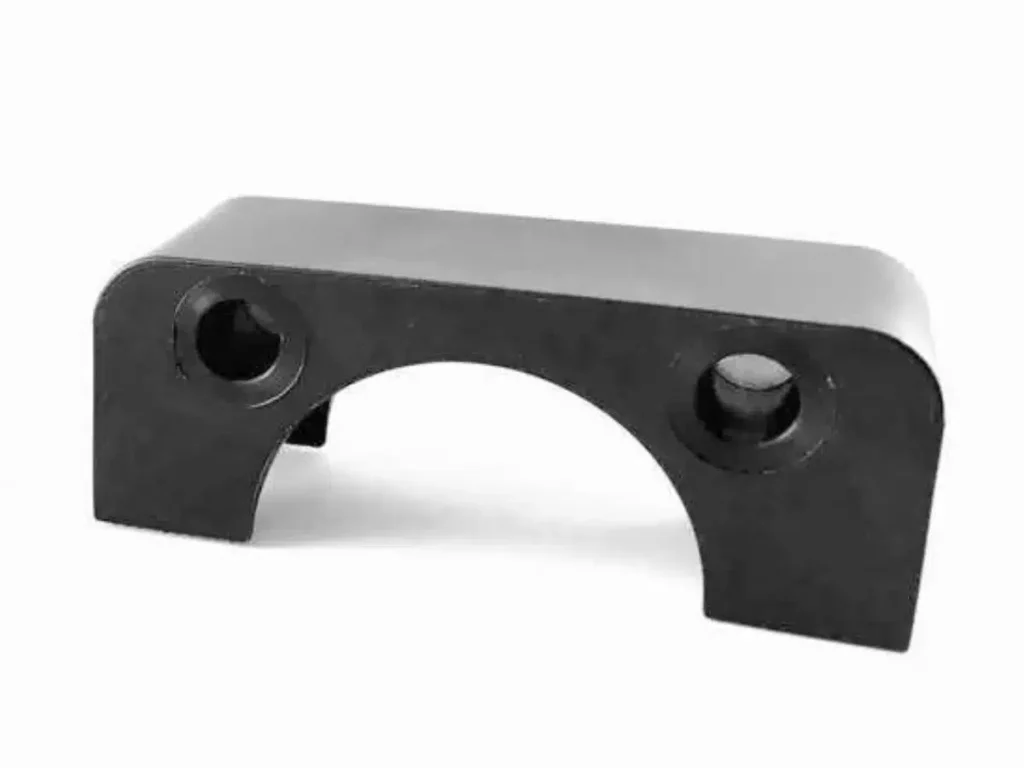
Black metal bracket with two circular holes.

Polyethylene is lightweight and has high resistance to impact, widely used in packaging and containers.

PE Black

PE White

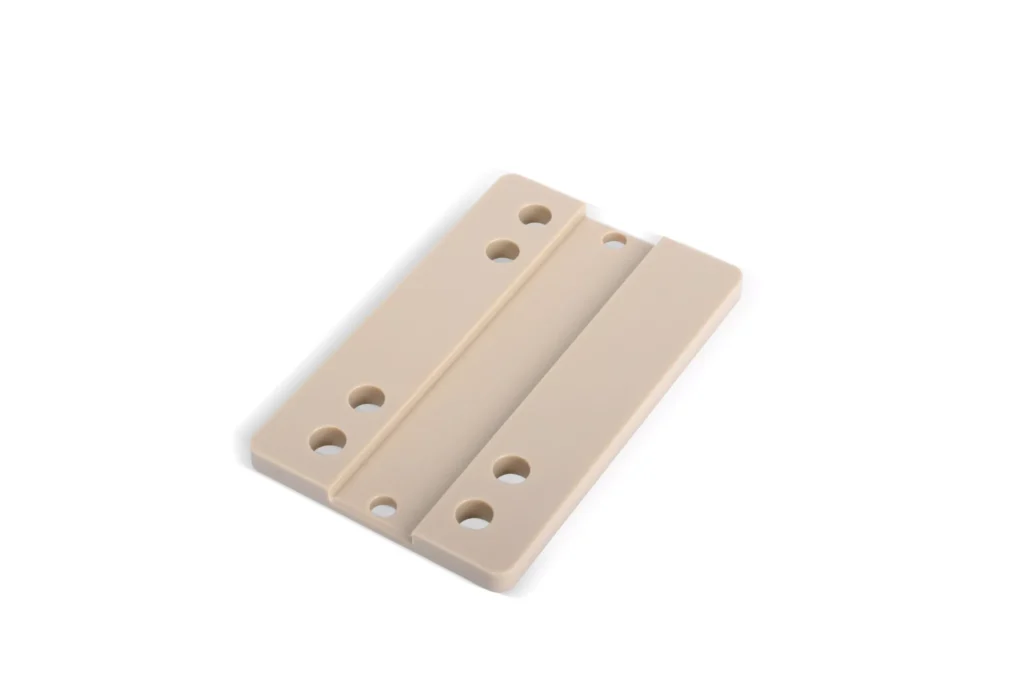
Beige plastic mounting plate with bolt holes.

PEEK is renowned for its high temperature resistance and strength, often used in aerospace and medical implant manufacturing.

PEEK Beige(Natural)

PEEK Black

White gear and bracket on white background

Polypropylene is tough, has excellent chemical resistance, and is used for automotive parts, containers, and in packaging.

PP Black

PP White

PP+GF30 Black

Insert Molding vs Overmolding: Key Differences

Both insert molding and overmolding are advanced molding techniques used to combine multiple materials into a single component. However, each process serves a different purpose depending on the part’s functional and structural requirements.

ComparisonInsert MoldingOvermolding
Manufacturing MethodPre-formed inserts are placed into the mold before plastic injectionA secondary material is molded over an existing plastic part
Main FunctionProvides internal strength and functional reinforcementEnhances surface feel, protection, or appearance
Production StepsSingle molding cycle with no post-assemblyMulti-step process requiring multiple molding stages
Material UsagePlastic molded around metal or rigid insertsSoft elastomers molded over rigid plastic substrates
Strength & DurabilityHigh structural strength and long-term reliabilityLimited structural strength, focused on surface performance
Thread & Fastener SupportIdeal for embedded threads and wear-resistant featuresNot designed for threaded or load-bearing reinforcement
Design FlexibilityControlled by insert placement and mold designGreater freedom for textures, grips, and sealing features
Production EfficiencyFaster cycle times and lower labor costsLonger cycle times due to additional molding steps
Common ApplicationsConnectors, housings, reinforced components, sensorsHandles, grips, seals, protective coverings
Best Application FitStructural and functional componentsErgonomic and cosmetic enhancements

Overmolding Capabilities

Lewei Precision’s wire EDM, part of our CNC services, efficiently crafts both simple and intricate shapes. Ideal for parts requiring high precision, this no-contact method produces minimal burrs and excels with metals like steel and titanium. Favored in aerospace, automotive, and electronics for their accuracy, we ensure tailored, precise solutions regardless of your needs.

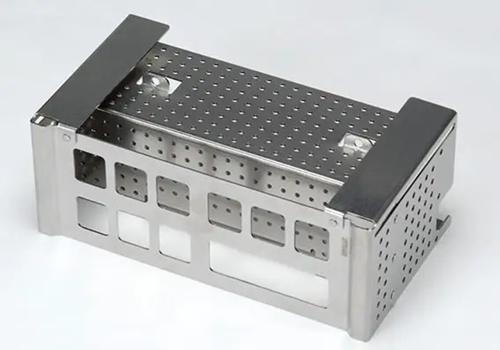
Perforated stainless steel storage basket

Capability

Details/Specifications

Material Compatibility

Stainless Steel, Titanium, Aluminum, Tool Steel, Copper

Tolerance

± 0.0001 inches (0.0025 mm) or better (based on material and thickness)

Maximum Workpiece Size

Length: 16 inches (400 mm)

Width: 12 inches (300 mm)

Height: 8 inches (200 mm)

Cutting Speed

Up to 300 mm2/min (specific to material and thickness)

Surface Finish

As fine as Ra 0.2 µm

Maximum Cutting Thickness

Up to 12 inches (300 mm) – varies based on material

Wire Diameter Range

0.004 inches (0.1 mm) to 0.012 inches (0.3 mm)

Wire Diameter Range

0.004 inches (0.1 mm) to 0.012 inches (0.3 mm)

Wire Diameter Range

0.004 inches (0.1 mm) to 0.012 inches (0.3 mm)

Advantages

Advantages of Overmolding at Lewei Precision

Overmolding molding services offer multiple benefits that enhance both product performance and manufacturing efficiency.

Applications

Applications of Overmolding at Lewei Precision

Overmolding molding services are widely used across industries to improve functionality, durability, and usability of finished parts. Common applications include:

Overmolding Services for Diverse Industries

Lewei Precision provides reliable overmolding molding services tailored to the functional, durability, and performance requirements of multiple industries. Our multi-material manufacturing expertise supports both prototypes and production parts across demanding applications.

Aerospace
Automotive
Automation
Medical Devices
Robotics
Consumer Products

Quality Control and Inspection for Overmolding

At Lewei Precision, quality assurance is embedded throughout our overmolding molding services. Every project begins with pre-production mold inspection to verify tooling accuracy before sampling and production. During molding, we perform in-process inspections to monitor critical parameters and ensure consistent material bonding, dimensions, and surface quality across each run.

Before shipment, all parts undergo final part validation, including dimensional checks and visual inspection to confirm they meet design specifications and performance requirements. We also provide complete documentation and traceability, including inspection reports, material certificates, and compliance records, giving you confidence in quality, consistency, and regulatory alignment from prototype to production.

Overmolding Workflow: How We Work

Engineering Review and DFM

Before we begin, our experts carefully review your CAD files for material compatibility, design feasibility, and manufacturability, ensuring efficient tooling and avoiding production issues.

Tooling and Rapid Prototyping

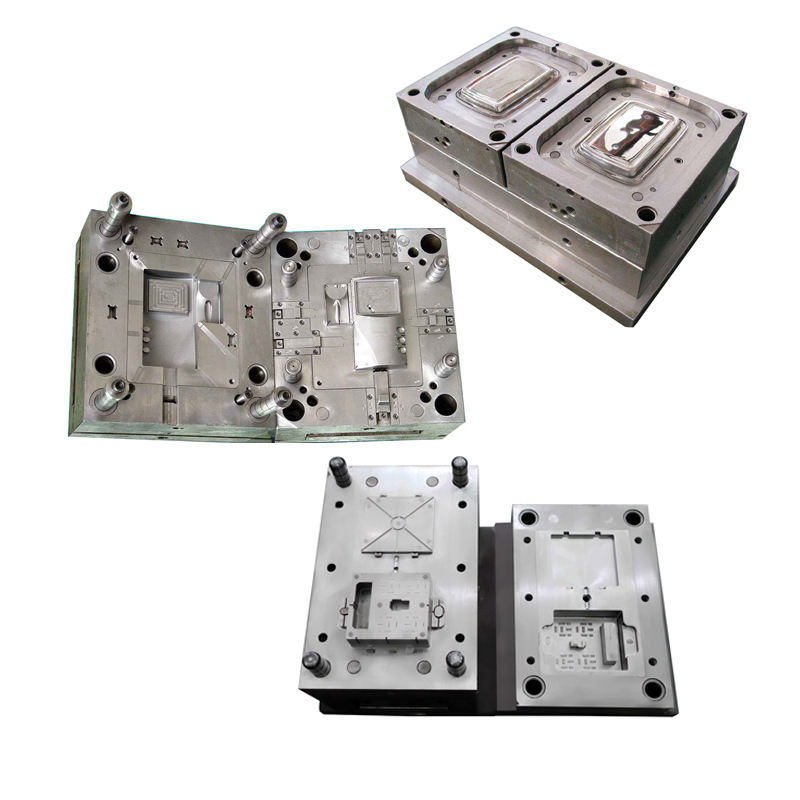
We design and manufacture the molds using advanced materials, providing fast turnaround for prototype testing and design validation to confirm functionality and quality.

Overmolding Process

During molding, we inject a secondary material over a rigid substrate, achieving reliable bonding and precise dimensional accuracy. We handle multi-material components to meet your specific requirements.

Quality Control and Inspection

Each part undergoes comprehensive inspections using CMM (Coordinate Measuring Machines) to verify dimensions, tolerances, and overall quality, ensuring parts meet specifications.

Overmolding vs Insert Molding

We offer a broad range of thermoplastic and thermoset materials, each selected for its performance characteristics and suitability for different applications.

FAQs

Overmolding is used to combine multiple materials into a single part to improve grip, durability, protection, and appearance. It is commonly applied to ergonomic handles, seals, housings, and reinforced components.

Common combinations include plastic over plastic, rubber over plastic, plastic over metal, and rubber over metal. Material selection depends on bonding compatibility and end-use requirements.
Overmolding applies a secondary material over an existing part to enhance functionality or aesthetics, while insert molding places a pre-made insert into the mold for structural reinforcement.
Lead times vary by tooling complexity and volume, but prototype tooling can be completed in as little as two weeks, with production following shortly after approval.
Yes, overmolding molding services support low-volume prototypes, pilot runs, and market testing before scaling to full production.
Tolerances depend on material selection and part geometry, but tight dimensional control can be achieved through precision tooling and controlled molding processes.
Yes, engineering teams review designs and provide DFM feedback to improve material bonding, manufacturability, and overall part performance.
Overmolding is ideal for complex geometries, including multi-material interfaces, soft-touch surfaces, and integrated features.

Yes, overmolding combines multiple functions into a single part, eliminating secondary assembly steps and reducing overall manufacturing costs.

Overmolding is widely used in automotive, medical devices, electronics, robotics, automation, and consumer products due to its functional and aesthetic benefits.

Get In Touch With Us!​

Prompt response guaranteed within 12 hours​

🔐 All uploads are secure and confidential